Featured

The Shift from Scepticism to Investment: A Timeline of Institutional Crypto Interest

Cryptocurrency has gone from being completely unknown to a 3 trillion-dollar asset class in a little over a decade. This shift has seen institutional investors, who were heavily sceptical in the early days, commit heavily to the asset and become some of its biggest holders. But how and why have Wall Street and other institutional players gone from crypto’s harshest critics to some of its biggest advocates?

We answer this question in a new article on the HiRibi blog.

Early Scepticism and First Steps

Bitcoin, which was born from the 2008 financial turmoil, marked the beginning of the crypto era. Launched by the pseudonymous Satoshi Nakamoto, Bitcoin remained largely ignored and dismissed by institutional investors in its earliest days.

Crypto’s lack of a clear regulatory framework, the anonymity that came with it, and its association with the dark web contributed to the scepticism. In addition, the infrastructure for trading and storing digital assets at the time was rudimentary, making it impractical for large-scale institutional investment.

One of the earliest moves into crypto by a mainstream financial institution was an attempt to file for a Bitcoin ETF by the Winklevoss twins in 2013. The US SEC denied their application in March 2017 in fear of fraudulent and manipulative practices. In the same year, JPMorgan Chase’s CEO, famously called Bitcoin a “fraud” that would eventually “blow up.” Many banks and money managers avoided crypto, especially with the collapse of Mt. Gox in 2014, which led to users losing millions in Bitcoin.

The Turning Point

Between 2017 and 2020, the crypto market ticked several milestones that began to soften institutional scepticism. For instance, bitcoin skyrocketed to $20,000 for the first time in 2017, forcing many investors to pay attention. Fidelity Digital Assets became among the first players to onboard institutional investors looking to gain exposure to the cryptocurrency market, offering custodial services.

The COVID-19 pandemic created a perfect storm for institutional crypto adoption. Unprecedented money printing, zero interest rates, and inflation fears drove institutions to look for alternative stores of value. In July 2020, the U.S. Office of the Comptroller of the Currency (OCC) published an interpretive letter that authorised national banks to custody crypto on behalf of their clients. This regulatory greenlight was a huge win for the industry, with banks like State Street and Bank of New York Mellon soon announcing digital-asset custody and service offerings.

Shortly after, in August, MicroStrategy announced converting $250 million of its treasury into Bitcoin, with CEO Michael Saylor declaring it “a dependable store of value and an attractive investment asset with more long-term appreciation potential than holding cash.” At the time of press, MicroStrategy, which has since rebranded to Strategy, has increased its Bitcoin holdings to 538,000 BTC worth over $50 billion. Strategy remains the largest corporate holder of Bitcoin.

By the end of 2020, more institutions had joined the adoption race, including PayPal, which now allowed users to buy, hold, and sell crypto directly via their user accounts.

Adoption Accelerates

Institutional floodgates flung open during the 2021 crypto bull run, with more institutional investors going from onlookers to key industry participants.

Morgan Stanley announced in March 2021 that its wealthy clients would have access to dedicated Bitcoin funds. Later that year, JPMorgan extended five crypto funds, including Grayscale’s and Osprey’s Bitcoin trusts, to all its wealth-management clients. Goldman Sachs relaunched its crypto trading desk after a three-year pause to support bitcoin futures trading. In addition, the first Bitcoin ETF in North America was approved in Canada, providing a regulated investment vehicle for institutions. Financial giants like BlackRock and ARK Invest also started exploring crypto investment products.

In November 2021, Bitcoin reached a new all-time high of $69,044, fueled by strong institutional and retail interest. This ATH has since been broken, with Bitcoin peaking at $109,079 in January 2025.

Mainstream Acceptance

Following the crypto market’s success in 2021, institutional investors were not turning back, even with the crypto winter that followed in 2022. By 2023, the race to launch cryptocurrency ETF products in the U.S. was on. BlackRock, the world’s top asset manager, filed for a spot Bitcoin ETF in June 2023. Soon after, the likes of ARK Invest and Valkyrie Investments joined the race. The SEC approved 11 U.S. spot Bitcoin ETFs in January 2024 following a positive court ruling in October 2023. These new ETFs meant that institutions could invest in Bitcoin without having to deal with the hassle of self-custody. Spot Bitcoin ETFs saw over $4.6 billion in trading volume within the first 24 hours of trading as investors poured into them.

Just months later, the SEC approved spot Ethereum ETFs as institutional adoption deepened. What’s more, the regulator is set to decide on more ETFs in 2025, including XRP, Solana, Cardano, and Dogecoin.

Final Thoughts: The Road Ahead

Crypto’s journey to full institutional adoption is far from complete. We are still seeing major developments, including BlackRock’s focus on tokenised assets, which is predicted to become a 16 trillion-dollar market by 2030. This shows there is still more capital set to flow into the market in the coming years, further legitimizing, stabilizing, and making the asset class a standard component of diversified investment portfolios.


Featured

2025 Market Wrap: The Biggest Crypto Moments of the First Quarter

After reaching a record of $3.8 trillion on January 18, shortly before Donald Trump was sworn in, the cryptocurrency market faltered in the first quarter of 2025, losing 18.6% of its value to conclude at $2.8 trillion. A decline in investor interest was shown by the 27.3% decrease in trading volumes, which averaged $146 billion per day. Bitcoin’s dominance rose toward the 60% level as altcoins recorded severe losses. Ethereum lost 2024 gains as it fell 45.3%. These changes paved the way for a quarter filled with breathtaking peaks, destructive hacks, and daring regulatory actions. Every instant changed the market, exposing its strengths and weaknesses.

We welcome you to review the most significant crypto events of the first part of the year with the regular article from the HiRiBi blog.

Bitcoin’s Peak and Market Ripples

Bitcoin surged to $106,182 on January 22, fueled by post-inauguration optimism, but ended Q1 at $82,514, down 11.8%. Its dominance climbed to 59.1%, a level unseen since 2021, as altcoins faltered. Ethereum’s 45.3% drop to $1,805 dragged its market share to 7.9%, the lowest since 2019.

Other majors like XRP and BNB held steady, but smaller altcoins bled heavily. Investor confidence waned, with trading volumes dipping as risk appetite faded. Gold, up 18%, outshone Bitcoin, drawing cautious capital.

Additionally, stablecoins like Tether gained traction and rose to 5.2% of the market as investors sought protection. When the drop in Bitcoin triggered a broader sell-off, it demonstrated the market’s weakness. This unpredictability set the stage for Solana’s turbulent rise.

Solana’s Meme Coin Frenzy

Solana captured 39.6% of decentralised exchange trades in Q1, peaking at 52% in January, driven by a meme coin boom. The launch of TRUMP and MELANIA tokens sparked a “political memecoin” wave, pushing pump.fun’s daily token deployments to 72,000.

Coins like FARTCOIN thrived, with millions graduating to exchanges. But the tide turned with LIBRA’s collapse, rug-pulled after Javier Milei’s endorsement, crashing from $4.6 billion to $221 million. Pump.fun’s activity dropped 56.3%, and Solana’s dominance slipped to 23.4% by March.

Newcomers Sonic and Berachain edged out Optimism and Polygon, reshaping the DEX hierarchy. The frenzy fueled Solana’s all-time high of $293.7 billion in trading volume. Yet, the rug-pulls exposed speculative risks, soon compounded by a major security breach.

Bybit Hack Shakes Confidence

On February 21, North Korea’s Lazarus Group stole $1.5 billion in Ethereum from Bybit, exploiting vulnerabilities in Safe Wallet’s software during a routine transfer. Hackers intercepted the transaction, redirecting funds to their wallets via malicious code.

Bybit’s trading volume crashed 52.4% month-on-month, and Bitcoin dropped 20% from its January high. The hack resulted from flawed multisig processes, shaking investor confidence in the exchange. At least $160 million was laundered within 48 hours, underscoring enforcement challenges. The FBI linked the attack to Lazarus Group’s phishing tactics, targeting Bybit’s staff.

Other exchanges tightened protocols, but the damage lingered. This breach fueled calls for tighter regulations, which gained traction as governments responded to the market’s volatility.

Regulatory Shifts Gain Momentum

Trump announced a Strategic Bitcoin Reserve on March 6 utilising Treasury-seized assets, marking the U.S.’s shift to embrace cryptocurrency. Following the departure of Gary Gensler, the SEC took a more accommodative stance by ceasing its investigations into companies such as Coinbase and Uniswap.

At the first-ever Crypto Summit, industry leaders, including Coinbase’s Brian Armstrong, convened at the White House to discuss banking system integration. The GENIUS Act, which seeks to regulate stablecoins and promote their usage, was proposed by the Senate on March 13.

Around the world, the U.K. started blockchain-based bond pilot projects and drafted laws to categorise digital assets as property. China hinted at possible regulatory changes by holding private high-level discussions to discuss Bitcoin’s role in its economy. While Solana CME futures attracted conventional investors, Ethena Labs obtained $100 million from Franklin Templeton to produce institutional stablecoins.

Furthermore, BlackRock expanded its Bitcoin ETF into Europe, driving global adoption. Several U.S. states, including Texas and Wyoming, established their own Bitcoin reserves, reflecting local policy innovation. These developments sparked optimism, but Trump’s unpredictable influence created a mix of promise and uncertainty.

Trump’s Mixed Impact

Trump’s pro-crypto agenda drove early gains, with Bitcoin soaring 50% post-election to $104,000. His administration scrapped the SEC’s SAB 121 rule, easing institutional adoption, and appointed crypto-friendly figures like Paul Atkins.

However, his TRUMP and MELANIA meme coins, which soared to all-time highs of $73 and $13, respectively, crashed more than 80%, exposing the speculative risks of memes. An executive order promoted a crypto stockpile but stopped short of a federal Bitcoin reserve, disappointing enthusiasts.

Tariffs and recession fears further dampened sentiment, contributing to Bitcoin’s bearish turn. The White House Crypto Summit drew industry leaders, yet failed to clarify long-term policy.

Final Thoughts: A Quarter of Reckoning

Q1 2025 delivered a rollercoaster for the crypto market, with Bitcoin’s record high and subsequent dip reflecting its volatile core. Solana’s meme coin surge and collapse revealed speculative excesses, while Bybit’s $1.5 billion hack underscored security gaps. Trump’s audacious regulatory actions raised hopes for stability, but his erratic tactics created doubt. These incidents—Bitcoin’s hegemony, Solana’s craze, Bybit’s hack, changes in international regulations, and Trump’s power—defined a pivotal quarter. The market, which closed at $2.8 trillion, was at a turning point when it had to strike a balance between innovation and the need for resilience and trust.

Featured

Stolen Billions: The 10 Largest Crypto Heists of All Time

The cryptocurrency industry, despite its promise of decentralized finance and strong security, has been marred by significant breaches. Over the past decade, hackers have exploited vulnerabilities in blockchain protocols, decentralized finance (DeFi) platforms, and crypto exchanges, stealing billions of dollars in digital assets.

In a new article from HiRiBi, we offer you to review the 10 most high-profile cases in the history of cryptocurrencies.

1. Bybit Hack: $1.5 Billion

In February 2025, Bybit, one of the largest cryptocurrency exchanges, suffered a massive breach, with hackers stealing over $1.5 billion worth of Ethereum. The breach was made easy by vulnerabilities in Bybit’s multi-signature wallet system, where the attackers used compromised infrastructure from Safe{Wallet}, a third-party provider. The attack was traced to the Lazarus Group, a North Korean state-sponsored hacking collective.

Despite the significant loss, Bybit was able to acquire emergency funding from firms like Galaxy Digital and Wintermute, replenishing its reserves within 72 hours.

2. Ronin Network (Axie Infinity): $625 Million

On March 23, 2022, the Ronin Network, which supports the popular blockchain game Axie Infinity, was hacked for approximately $625 million in Ethereum and USDC. The hack was also traced to the Lazarus Group, which exploited a vulnerability in the network’s validator nodes. While Sky Mavis, Axie Infinity’s developer, managed to recover $5.8 million of the stolen funds, most remain unaccounted for.

3. Poly Network Hack: $610 Million

A lone hacker exploited Poly Network, a decentralized finance (DeFi) platform, in August 2021 for $610 million. The hacker took advantage of a vulnerability in the network’s smart contracts, siphoning funds to their wallet. After an appeal by the project’s developers on X (formerly Twitter), the hacker cooperated, returning over $300M in just two days. Most of the stolen funds were recovered, with the hacker keeping only $33M USDT. It later emerged that they had targeted the network “for fun.”

4. Binance BNB Bridge: $569 Million

Binance suffered a massive exploit in October 2022 where the attackers made off with nearly $569M. The breach targeted BSC Token Hub cross-chain bridge, where a vulnerability in a smart contract allowed the hackers to mint 2 million unauthorized BNB tokens.

5. Coincheck: $534 Million

In January 2018, Japanese exchange Coincheck was hacked for $534 million worth of NEM tokens. The attackers gained access to the exchange’s hot wallets, which lacked proper security measures due to a shortage of employees, according to the exchange. The breach went unnoticed for nearly eight and a half hours. Coincheck initially stated that it might not be able to compensate all affected users, but later repaid all 260,000 affected users using its own capital.

6. Mt. Gox Hack: $470 Million

Mt. Gox, once the leading Bitcoin exchange, suffered the first major crypto hack in 2011, losing 25,000 bitcoins valued at about $400,000. However, the most devastating blow came in 2014 when the platform revealed that nearly 850,000 BTC, 650,000 belonging to customers and 100,000 to the company, had been stolen, amounting to approximately $470 million at the time. The breach, which stemmed from years of undetected theft via the exchange’s hot wallet, exposed severe lapses in security and internal oversight. Mt. Gox eventually filed for bankruptcy and recently kicked off plans to compensate affected users.

7. Wormhole: $321 Million

In February 2022, Wormhole, a cross-chain bridge between Ethereum and Solana, was exploited for $321 million. The attacker targeted the platform’s smart contract, allowing them to mint unauthorized tokens. This was made possible by an upgrade to the project’s GitHub repository, which had not yet gone live. Jump Crypto, the platform’s backer, stepped in to replace the stolen funds to maintain the project’s integrity.

8. KuCoin: $281 Million

The KuCoin hack occurred on September 25, 2020, when hackers stole over $281 million worth of cryptocurrency from the exchange. The stolen assets included Bitcoin, Ethereum, and various ERC-20 tokens. Initially, the hackers attempted to sell the stolen tokens on regular exchanges but were quickly blocked. They then turned to decentralized exchanges (DEXs) like Uniswap and Kyber Network to launder the funds. Despite the use of DEXs, blockchain monitoring tools such as Elliptic and Chainalysis were still able to trace the stolen funds. KuCoin managed to recover approximately $204 million of the stolen funds.

9. Bitmart: $196 Million

In December 2021, Bitmart, a global cryptocurrency exchange, became the target of a massive hack that resulted in the theft of approximately $196 million. The hackers accessed Bitmart’s hot wallets by obtaining private keys and draining assets from multiple tokens. Although Bitmart pledged to compensate affected users and enhanced its security protocols afterward, the breach exposed the vulnerability of exchanges, particularly in the handling of private keys.

10. Bitfinex: $72 Million

In August 2016, Bitfinex exchange was breached, and the hackers made away with approximately 119,754 BTC, valued at $72 million at the time. The breach was linked to vulnerabilities in the exchange’s security system, which allowed the hackers to make over 2,000 unauthorized transactions. In 2022, U.S. authorities arrested two individuals in connection with the hack and recovered more than 75% of the stolen funds.

Final Thoughts

The crypto industry has come a long way since the early days of these massive hacks, but there’s still much to be done to protect users’ assets. Multi-signature wallets, better smart contract auditing, and user education on how to securely manage their assets are essential steps forward. As more institutional investors enter the market, the need for stronger security protocols will only increase. For investors, the key takeaway is to stay informed, diversify holdings, and never underestimate the importance of securing private keys.

Featured

Q1 2025 Crypto Report: How Top Coins Fared and What’s Ahead for Q2

The first quarter of 2025 was marked by numerous events, including major regulatory developments and technological advancements that triggered significant price movements in the crypto market. Different cryptos reacted in varying ways. For instance, while Ethereum tumbled more than 40%, XRP closed the quarter with a modest 0.65% increase.

Let’s break down how the biggest players in the market, Bitcoin, Litecoin, Ethereum, XRP, Solana, and Dogecoin, performed and what to expect in Q2 2025.

A Market in Correction

Q1 2025 didn’t quite turn out the way most crypto investors expected. While most anticipated a strong Trump-induced market pump, things have taken a different direction since the President’s inauguration. Bitcoin, the leading cryptocurrency, hit a new all-time high of $109,079 on January 20, 2025, the day Donald Trump was sworn in as President. The asset has since tumbled 28%, trading at $78,415 at the time of writing. BTC fell 11.79% in Q1 2025, marking its first quarterly loss since Q2 2024.

However, Bitcoin’s drop was modest compared to the performance of other major cryptocurrencies.

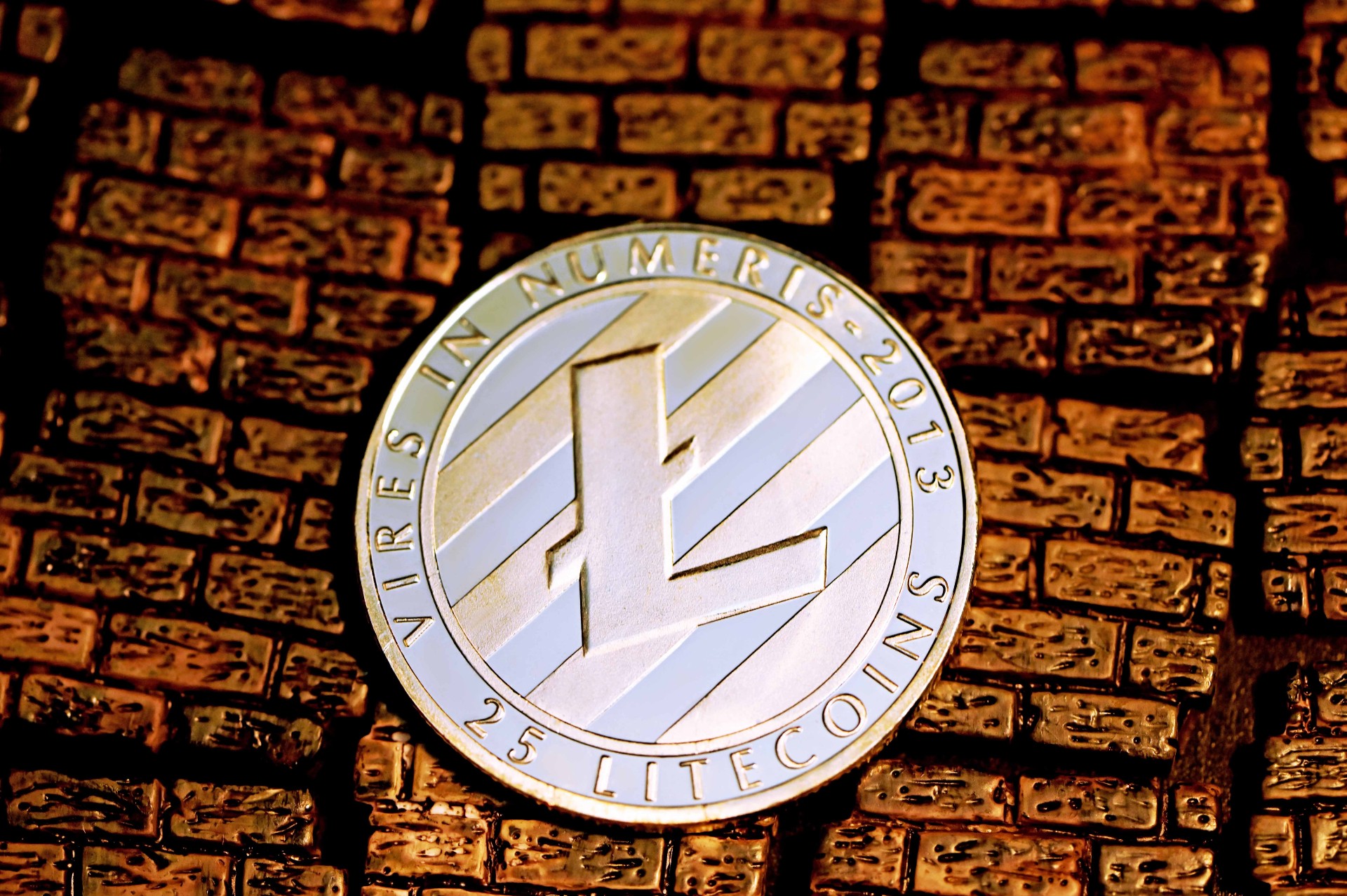
Litecoin, a Bitcoin spinoff, is currently priced at $70.65, a 31.78% year-to-date decline. The asset lost 19.66% of its value in Q1 2025 alone.

Among the hardest hit, however, has been Ethereum. The second-largest crypto has been on a strong downtrend, posting four consecutive red monthly candles. Ethereum fell 45.63% in Q1, plunging from $3,353.50 to $1,823.48. ETH has since slipped even further to $1,576 as the decline continues.

Ripple’s XRP managed to weather the storm better than most cryptocurrencies, ending Q1 with a modest 0.65% increase, from $2.09 to $2.10. XRP’s resilience can be largely attributed to the conclusion of the SEC-Ripple lawsuit, which ended after five years. The resolution helped remove a major regulatory overhang that had weighed on the altcoin for half a decade.

Solana, which had been a leading performer for much of this cycle, also suffered a sharp fall. SOL hit a new all-time high of $295.40 on January 19, 2025, amid strong momentum from its booming meme coin ecosystem. Interestingly, this high coincided with the launch of Trump’s own meme coin, TRUMP OFFICIAL, which skyrocketed to a $76.98 billion fully diluted valuation (FDV) within 24 hours.

However, a wave of meme coin scams on Solana, rising criticism, and a broader pivot away from meme coin mania triggered a network-wide correction. SOL lost 34.35% in Q1 and is now down 65% from its all-time high. The collapse of meme coin season wiped out billions in market cap, not just from Solana-based memes, but also from other meme coins.

Dogecoin, the largest meme coin by market cap, saw its value drop 47.08% in Q1. The coin took an additional hit recently when “Dogefather” Elon Musk clarified that the U.S. federal government has no plans to adopt or use Dogecoin (DOGE), despite the meme coin’s name similarity with the Musk-led Department of Government Efficiency (DOGE).

Q1 2025 Market Drivers

The re-election of President Donald Trump in November 2024 has been the most significant market driver, ushering in a pro-crypto stance in the White House. The administration’s commitment to making the U.S. the “crypto capital of the planet” has led to proposals for regulations treating cryptocurrencies uniquely, including the establishment of a national strategic bitcoin reserve. The Securities and Exchange Commission (SEC), under new leadership, has seen a surge in ETF applications for various cryptocurrencies, including Solana, XRP, Litecoin, and Dogecoin.

However, these positive developments were overshadowed by the significant volatility and steep declines caused by Trump’s tariffs. The tariffs, targeting all U.S. trading partners, have caused an escalation in trade tensions and heightened investor concerns about economic stability and inflation, prompting a retreat from riskier assets.

The S&P 500 recorded a 4.6% decline in Q1 2025, its worst performance in nearly three years, while the Nasdaq plunged 10.4%.

What to Expect in Q2 2025

As the calendar flips to Q2, the crypto market is giving mixed signals. Industry leaders like Galaxy Digital and CoinCodex give an optimistic prediction, but volatility remains. Here’s how the top coins might fare from April to June:

Bitcoin: BTC predictions place its price between $185,000 and $200,000 by the end of 2025. Some analysts, buoyed by Bitcoin ETFs surpassing $100 billion in assets under management and a pro-crypto regulatory shift, even speculate a high of $250,000. Despite Bitcoin’s short-term bearish outlook, Q2 could mark the start of this ascent.

Litecoin: Litecoin’s outlook is more modest but still promising, with forecasts ranging from $100 to $200. Starting Q2 near $80, LTC could see a steady rise amidst growing ETF hype and a potential market-wide rebound.

Ethereum: Ethereum’s 2025 price predictions range from $2,000 to $10,000 by year-end. An average target of $5,770 seems plausible, especially with the Pectra upgrade slated for May 7, 2025. Q2 could be a pivotal period as ETH aims to regain footing in decentralized finance.

XRP: XRP’s Q2 predictions suggest a range of $2 to $5, with optimistic calls reaching $10. Currently at $1.93, its growth hinges on potential XRP ETF approval and growing adoption, with up to 80% of Japanese banks set to integrate the token for cross-border payments.

Solana: From its Q1 close of $124.69, Solana could embark on a climb, with global asset management firm VanEck predicting SOL will reach $520.

Dogecoin: The meme coin’s path is murkier, with predictions ranging from $0.20 to $1.33. At $0.14 at the time of press, DOGE’s trajectory depends on community hype, making it a highly speculative bet.

Final Thoughts

Q1 2025 was a reality check for the crypto market, with top coins enduring significant declines. Bitcoin’s 11.79% drop was the mildest, while Dogecoin’s 47.08% plunge highlighted the risks of meme coins. As Q2 dawns, volatility remains, mainly driven by Trump’s tariff war, but analysts see light at the end of the tunnel. Bitcoin could lead a recovery charge, with altcoins like Ethereum and Solana potentially regaining lost ground, while XRP and Litecoin offer steadier prospects. Dogecoin remains the unpredictable outlier as it relies heavily on community hype.

To learn more about the latest news from the world of cryptocurrencies, follow our regular HiRibi blog.

Featured

Bitcoin Will Be Back

The crypto market has consistently shown a pattern of struggle in January, particularly in years following Bitcoin halvings. This trend, though challenging, often sets the stage for a resilient recovery in subsequent months, with January 2025 shaping up to be no exception. Historical data reveals Bitcoin’s January performance to be evenly split between gains and losses, but post-halving years such as 2017 and 2021 have often yielded positive returns. The inauguration of a new US president, combined with key economic events, is setting the stage for another volatile start, sparking curiosity about what this year might bring.

We invite you to understand the phenomenon of a difficult January for crypto together in a new article from the HiRiBi blog.

Bitcoin’s Historical January Struggles

Bitcoin has faced difficulties in January across multiple years, with a track record of four gains versus six losses over the past decade. Declining months have generally seen minor dips, while the second year after halving cycles tends to deliver positive outcomes. This connection to halving events underscores their influence on the crypto market, signalling a potential for January 2025 to continue the pattern of recovery that follows initial turbulence.

December 2024 witnessed Bitcoin surpass $100,000, only to see dramatic price swings, leaving the market on edge. As investors anticipate whether Bitcoin will cross $120,000, January’s historical volatility weighs heavily on expectations. Such dynamics reveal an inherent tension in the market’s January performance: a slow start often followed by pronounced gains.

January 2025 Economic and Political Backdrop

The upcoming month is marked by significant events, starting with Donald Trump’s inauguration. His administration has promised crypto-friendly policies, with initiatives like a $21 billion Bitcoin reserve and reduced restrictions on bank participation in digital assets. These developments come amid broader regulatory discussions, emphasizing both innovation and oversight in the U.S. crypto market.

Economic data releases, including Non-Farm Payrolls and CPI figures, are expected to add another layer of complexity. The Federal Reserve’s interest rate decision later in the month could significantly impact Bitcoin’s price trajectory, as monetary policy often influences investor sentiment. Adding to the mix, the Chinese New Year holiday introduces seasonal market disruptions, making January a potential turning point.

Corporate Adoption of Bitcoin

January also brings a renewed focus on institutional adoption, with major corporations increasing their Bitcoin holdings. MicroStrategy, holding over 450,000 BTC, remains a key player, reflecting confidence in the asset despite market fluctuations. Similarly, Genius Group and Intesa Sanpaolo continue to incorporate Bitcoin into their strategies, signalling a growing institutional appetite for cryptocurrency.

This institutional momentum underscores Bitcoin’s evolving role as a store of value and hedge against inflation. As companies allocate significant portions of their reserves to Bitcoin, their actions shape market sentiment, providing a stabilizing influence amid broader volatility.

The Role of Bitcoin ETFs

The approval and expansion of Bitcoin ETFs have further legitimized cryptocurrency as an investment vehicle. As of early 2025, U.S.-based Bitcoin ETFs collectively hold over 823,000 BTC, reflecting robust demand from retail and institutional investors alike. While regulatory delays remain a challenge, optimism surrounding new product offerings continues to drive participation in the crypto market.

This increased accessibility is pivotal in mitigating January’s historical downturns. By providing alternative entry points, ETFs help stabilize the market, even as other factors, such as miner selling pressures and macroeconomic uncertainties, come into play.

Expert Perspectives on 2025 Projections

Experts in the crypto market remain optimistic about Bitcoin’s trajectory in 2025, even amid January’s expected volatility. The convergence of halving effects, pro-crypto policies, and growing institutional participation creates a foundation for long-term growth.

Tom Lee, Co-founder of Fundstrat, remarked, “If the US begins to accumulate Bitcoin as part of its strategic reserve, it could lend further legitimacy to the cryptocurrency and boost its price.” This sentiment reflects the growing recognition of Bitcoin as a strategic asset. Similarly, Matthew Sigel, Head of Digital Assets Research at VanEck, highlighted, “The Bitcoin halving occurred in April of this year. So 2024 [will be a] strong year, 2025 should be a strong year.”

January 2025 presents unique challenges, including anticipated distributions from Mt. Gox’s repayment plan, which could inject significant liquidity into the market. Axel Bitblaze, a Crypto Analyst, noted, “Bitcoin dumping in January has historically been a common occurrence in post-halving years.” Despite this, experts remain confident in Bitcoin’s resilience and long-term potential. Crypto Rover, a YouTuber and Analyst, observed, “Bitcoin has NOT reached the ultimate hype/pump phase. This cycle has more fuel in the coming 12 months.”

While short-term volatility is expected, the long-term outlook remains bullish. Predictions such as Robert Kiyosaki’s, forecast for Bitcoin to hit $350,000 by 2025, underscore the optimism surrounding this market. These expert insights highlight a balanced view of challenges and opportunities, signalling confidence in Bitcoin’s sustained growth.

What This Means for 2025

As January 2025 unfolds, the crypto market faces a critical juncture. The combination of political events, economic data, and institutional actions will shape Bitcoin’s trajectory, offering both risks and opportunities. While historical patterns suggest a slow start, the groundwork laid by previous halvings and growing adoption points toward eventual recovery.

Investors and analysts alike are closely watching whether Bitcoin can sustain its momentum and go through new highs. With the lessons of past cycles and the unique dynamics of 2025, the market is poised for another chapter in its ongoing evolution.

Conclusion

January’s historical struggles highlight the challenges inherent in the crypto market, yet they also underscore its capacity for renewal. As 2025 begins, the stage is set for Bitcoin to navigate these hurdles, offering both lessons from the past and a glimpse into its future potential.

Featured

Safe Financial Transfers and Online Earnings in 2025

In an era of digital transformation, ensuring secure financial transactions and finding reliable ways to earn money online are two key concerns for users. With cyber threats on the rise, safeguarding your funds is as crucial as identifying legitimate earning opportunities. This article offers updated insights into the safest financial transfer methods and top online earning strategies for 2025, empowering you to navigate the digital world confidently.

Together with HiRiBi, we will consider the options for transfers and making money on the example of one of the most important trading platforms of our time – the Indian market.

Bank Transfers: The Tried-and-Tested Method

Bank transfers remain one of the safest ways to transfer money in India. The three primary methods — NEFT (National Electronic Funds Transfer), RTGS (Real Time Gross Settlement), and IMPS (Immediate Payment Service) — offer distinct advantages:

  • NEFT is ideal for routine transfers below ₹2 lakh, with nominal charges and hourly batch processing.
  • RTGS is designed for time-sensitive, high-value transactions above ₹2 lakh, offering real-time fund settlement.
  • IMPS supports instant transfers 24/7, making it a convenient choice for amounts below ₹2 lakh.

All these methods are regulated by the Reserve Bank of India (RBI), ensuring robust encryption, authentication mechanisms, and safeguards against unauthorized transfers. For 2025, advancements in multi-factor authentication and tokenized transactions have further enhanced the safety of these systems.

Mobile Wallets for Convenience and Security

Mobile wallets like Google Pay, PhonePe, and Paytm have gained widespread acceptance due to their user-friendly interfaces and robust security features. By integrating biometric authentication, such as fingerprint or face recognition, these wallets ensure secure transactions.
Wallet-to-wallet and wallet-to-bank transfers are seamless, provided users stick to authorized apps and avoid lesser-known providers offering suspicious deals.

UPI: The Backbone of Instant Payments

Unified Payments Interface (UPI) has revolutionized financial transfers in India, enabling real-time transactions using UPI IDs or QR codes.

  • In 2024 alone, UPI processed over 9 billion monthly transactions, underscoring its popularity.
  • UPI PINs ensure transactions are authorized only by the account holder, while dynamic QR codes protect users from scams.

As digital adoption increases, UPI remains the go-to option for secure, hassle-free payments.

Credit and Debit Cards

Bank-issued credit and debit cards are secure tools for digital payments, featuring PIN authentication, CVV codes, and fraud protection policies.

  • Ensure regular monitoring of account activity through alerts and promptly report lost cards.
  • In 2025, tokenized card payments have added an extra layer of security, replacing sensitive card details with unique tokens for each transaction.

International Payment Platforms

For cross-border transactions, platforms like PayPal continue to be reliable options. With robust encryption protocols, PayPal ensures the safety of international transfers. However, for domestic use, local systems like UPI or IMPS may provide faster and more cost-effective alternatives.

7 Ways to Make Money Online from India in 2025

Freelancing

Freelancing remains one of the most flexible and lucrative online earning methods. Platforms like Upwork, Fiverr, and Freelancer connect professionals with clients globally.

  • Popular freelance services include writing, graphic design, coding, and digital marketing.
  • Building a strong profile and portfolio is essential to attract high-paying clients.

Freelancing’s appeal lies in its scalability — you can work as much or as little as you want, making it an ideal side hustle or full-time career.

Online Surveys and Market Research

Participating in online surveys is an easy way to earn money during spare time. Websites like SurveyTime, Toluna, and Valued Opinions pay users to share their feedback on products and services. While not a primary income source, surveys can supplement your earnings.

Affiliate Marketing

Affiliate marketing allows you to earn commissions by promoting products or services from platforms like Amazon Associates or ClickBank.

  • Share affiliate links through blogs, social media, or YouTube channels to drive sales.
  • Success requires consistent effort and the ability to target the right audience.

With an increasing number of online shoppers in 2025, affiliate marketing offers immense growth potential.

Blogging and Content Creation

Blogging lets you monetize your passions by creating content around your interests.

  • Combine affiliate marketing, sponsored posts, and advertisements to generate revenue.
  • Implement SEO strategies to rank higher on search engines and attract more visitors.

For those willing to invest time and creativity, blogging can evolve into a highly profitable endeavour.

Online Tutoring

The demand for online tutoring continues to grow, especially for academic subjects, language learning, and skill-based training.

  • Platforms like Tutor.com and Vedantu connect educators with students worldwide.
  • Set your schedule and fees while focusing on delivering quality sessions.

With advancements in virtual classrooms and interactive tools, online tutoring offers a stable income stream.

E-commerce for Handmade Goods

If you have a talent for creating crafts or handmade products, platforms like Etsy, Craftsvilla, and Indian Roots allow you to reach a global audience.

  • Items like jewellery, artwork, and home décor are in high demand.
  • Use high-quality images and engaging descriptions to attract buyers.

The growing appreciation for unique, handmade goods ensures a steady market for creative artisans.

Stock Trading and Financial Platforms

Trading stocks, cryptocurrencies, and commodities have become more accessible through platforms like Zerodha, Groww, and WazirX.

  • Start small, research thoroughly, and use demo accounts to practice before investing real money.
  • Be cautious of risks and always diversify your portfolio.

Many platforms offer signup bonuses or promotional offers, adding extra incentives for beginners.

Conclusion

Navigating the digital world safely and effectively in 2025 requires both awareness and proactive measures. By using secure financial transfer methods and exploring legitimate online earning opportunities, you can achieve financial independence and peace of mind. The key is to stay informed, adapt to new technologies, and make well-informed decisions.

Opportunities are abundant — whether you’re managing your finances or building an online career. Embrace them, and you’ll find success in the digital economy.

Featured

The First News of January

The new year begins with dynamic shifts in the crypto market, reflecting both opportunity and uncertainty. Bitcoin’s value has dipped below $92,000, igniting debates about its near-term trajectory. Meanwhile, altcoins like XRP and Sui are drawing attention for their performance, hinting at a potential altseason. Against this backdrop, significant regulatory changes and evolving investor sentiment are shaping the early days of 2025. With new macroeconomic data and technical trends unfolding, the first week sets the stage for what could be a pivotal year for the crypto market.

In a new article from HiRiBi, you will learn what causes such a start to January and what to expect in the coming weeks.

Bitcoin’s Slide and Investor Reactions

In a significant move, Bitcoin slipped under the $92,000 mark, driven by strong U.S. economic indicators. A rise in job openings and December’s robust services sector activity bolstered Treasury yields, reducing appetite for riskier assets like cryptocurrencies. This sentiment led to a 7.2% drop in the total crypto market capitalization, with major assets such as Ethereum, XRP, and Solana also experiencing losses. The price dip triggered $555 million in liquidated long positions, intensifying market volatility. Analysts now suggest that Bitcoin’s trajectory could depend on upcoming macroeconomic triggers, including Federal Reserve rate decisions and geopolitical events.

Technical Overview of Bitcoin

Bitcoin’s recent plunge tested critical support levels, bouncing back to $94,485. Resistance remains firm at $95,772.66 and $96,983.49, with the psychological $100,000 mark still elusive. The Relative Strength Index (RSI) sits at 61.55, signalling a cautious tilt toward bullish momentum. Key support levels at $90,534.01 and $88,886.87 loom as potential pivot points. Market sentiment remains heavily influenced by Federal Reserve policies and rising Treasury yields. Sustained investor interest at current levels may help Bitcoin test resistance zones, but broader economic conditions will likely dictate its next moves.

Altcoins Signal Emerging Trends

While Bitcoin grapples with volatility, altcoins show signs of resilience and growth, capturing investor attention with significant market activity. XRP has consolidated near $2.27, forming a bullish triple-bottom pattern. Analysts anticipate a potential breakout to the $4-$5 range, fueled by optimism surrounding Ripple’s legal battles and increasing regulatory clarity. Meanwhile, Sui has made a strong impression, with its price reaching an all-time high of $5.35. The blockchain’s total value locked (TVL) surpassed $2 billion and its adoption of innovative staking protocols solidifies its position as a rising force in decentralized finance (DeFi).

Cardano (ADA) also witnessed substantial movements, signalling recovery after a turbulent week. Driven by bearish macroeconomic catalysts—including strong U.S. employment data and the Department of Justice’s approval to sell $6.5 billion in seized Bitcoin—ADA experienced a 20% drop, falling from $1.10 to $0.87. However, it rebounded by 6%, climbing back to $0.95, suggesting that $0.87 could serve as a local bottom. Elevated trading volumes, with a peak of 1.4 billion ADA traded on Thursday, signal sustained market interest despite recent sell-offs. The increased activity, over 300% higher than October 2024’s peak, highlights strong accumulation by both retail and institutional investors.

Regulatory Shifts and Market Implications

The departure of SEC Chair Gary Gensler marks a turning point for the crypto market. Under his leadership, the SEC pursued over 100 enforcement actions, creating a cautious environment for crypto firms. The appointment of Paul Atkins as the new Chair under President-elect Donald Trump signals a possible pivot toward more balanced and crypto-friendly regulations. Atkins’ approach, emphasizing clarity and innovation, has sparked optimism among market participants. The potential relaxation of enforcement actions could encourage innovation and investment, creating a more favourable environment for crypto projects and their ecosystems.

Stablecoins Gain Traction Amid Regulatory Clarity

Ripple’s RLUSD stablecoin has gained momentum in the European market, processing over 33,000 transactions since mid-2024. Its compliance with the Markets in Crypto-Assets (MiCA) framework gives it a strategic advantage as USDT faces regulatory challenges in the European Union. RLUSD’s emergence as a reliable alternative highlights the growing importance of regulatory alignment for market growth. This development underscores the evolving dynamics of stablecoins, as compliance and utility drive their adoption in cross-border payments and DeFi applications.

Is Altseason on the Horizon?

Bitcoin’s dominance has historically dictated the crypto market’s performance. However, as its share declines, altcoins often take the lead. Indicators like the TOTAL2 chart, which excludes Bitcoin and stablecoins, suggest that altcoins are poised for significant growth. Currently valued at $1.476 trillion, the altcoin market cap could reach new heights if trends hold. Technical signals, such as Bollinger Bands, further reinforce the potential for an altseason. This shift toward diversification represents a maturing crypto market, but caution remains vital, as volatility continues to characterize the space.

Conclusion

The initial days of January offer a glimpse into the evolving dynamics of the crypto market. Bitcoin’s struggles, rising altcoins, and regulatory changes provide a complex yet intriguing picture. Whether the market sees Bitcoin regain its leadership or altcoins step into the spotlight, the developments of this week set a compelling narrative for the months ahead. As investors navigate this landscape, the question remains whether 2025 will bring stability or new challenges to the crypto market. The early signs point to a year of transformation, where opportunities and risks will define the journey ahead.

Featured

Results of the 2024 Crypto Year. Part Two

The crypto market in 2024 experienced a year of profound transformation and significant milestones. From technological advancements to record-breaking events, this year showcased the potential of digital currencies and blockchain technology to reshape the financial landscape. Investors, businesses, and enthusiasts alike observed how humour, technology, and economics intertwined, offering a glimpse into the ever-evolving crypto ecosystem. As the year concludes, key developments have not only highlighted the sector’s resilience but also set the stage for future innovation.

We invite you to end 2024 by reading the second part of the HiRiBi blog summary of the year.

Memecoins and Their Cultural Influence

Among the most intriguing highlights of 2024 was the rise and evolution of memecoins. These coins, originally dismissed as frivolous or unserious, achieved new heights of popularity and utility by blending humour with financial opportunities. Tokens like Neiro and FLOKI Inu spearheaded initiatives that went beyond online culture. Neiro, for instance, introduced a debit card system that integrated cryptocurrency into everyday transactions. FLOKI Inu followed suit, gaining traction among users who previously viewed crypto as inaccessible.

Pepe Coin, another standout, capitalized on internet nostalgia, reviving interest in the “Pepe the Frog” meme. The market saw these tokens evolve from niche internet jokes into cultural phenomena with tangible financial implications. Perhaps the most symbolic moment of memecoins’ impact was Elon Musk’s appointment to lead a government body humorously named DOGE, highlighting their societal reach.

Prediction Markets Gain Traction

Decentralized prediction markets emerged as one of 2024’s most dynamic trends. Leveraging blockchain technology, platforms like Kalshi and Polymarket offered users opportunities to forecast real-world events ranging from political elections to sports outcomes. These markets promised transparency, fairness, and financial rewards for accurate predictions.

The U.S. presidential election, for instance, became a focal point in prediction markets, with Kalshi reporting over $100 million in wagers. The phenomenon underscored blockchain’s ability to gauge public sentiment and facilitate decentralized decision-making. However, it also sparked controversies. Critics questioned the ethical implications of betting on sensitive events and raised concerns about liquidity issues in smaller markets. Despite these challenges, prediction markets showcased blockchain’s potential to innovate traditional forecasting systems.

Decentralized Physical Infrastructure Networks Revolutionize Industries

Decentralized Physical Infrastructure Networks (DePINs) gained considerable attention in 2024. These networks integrated blockchain technology with tangible assets, revolutionizing sectors like transportation, energy, and logistics. By enabling decentralized management of physical resources, DePINs introduced new efficiencies and opportunities.

Helium, a decentralized wireless network, became a prime example of DePINs’ potential. The network allowed users to build infrastructure collaboratively, reducing reliance on centralized entities. Similarly, blockchain-enabled supply chain solutions improved transparency, ensuring that goods moved efficiently and ethically.

Despite their promise, DePINs faced obstacles, including scalability and regulatory ambiguity. Governments and industries struggled to adapt to this decentralized model, which challenged traditional methods of managing physical infrastructure. Nevertheless, DePINs demonstrated blockchain’s ability to transform conventional systems, paving the way for equitable access to resources and innovative economic models.

Trading Bots and AI Agents in Crypto

The advent of automated trading bots and AI agents marked a significant shift in the crypto trading landscape in 2024. These tools, powered by artificial intelligence, offered enhanced capabilities for traders of all experience levels. Platforms like Near’s AI Assistant and Replit’s AI Agent provided real-time insights and automated trading solutions, making the market more accessible.

These advancements allowed traders to capitalize on market trends with precision and speed. For novice traders, AI-driven tools lowered the barrier to entry, while seasoned investors used them to refine strategies. However, the proliferation of AI in trading also raised concerns. Critics pointed to ethical dilemmas, including the potential for market manipulation and over-reliance on automation.

Beyond trading, AI influenced broader crypto trends. Tools like Truth Terminal, which used AI to analyze blockchain data, demonstrated the technology’s potential to improve transparency and accountability. The rise of AI highlighted the need for oversight to ensure fair practices in a rapidly evolving digital ecosystem.

Tokenization of Real-World Assets

Tokenization emerged as one of the most impactful themes in 2024, bridging traditional finance and blockchain technology. By converting real-world assets (RWAs) like real estate and private credit into digital tokens, this trend unlocked new investment opportunities and streamlined asset management.

Major institutions demonstrated confidence in tokenization. Tether’s Hadron platform and UBS’s tokenized fund introduced efficient ways to trade and manage assets. Globally, initiatives like Singapore’s Project Guardian and China’s blockchain-based financial products underscored tokenization’s widespread appeal.

The implications of tokenization are profound. By converting trillions of dollars in assets into digital tokens, it has the potential to revolutionize global financial systems. Tokenization enables greater liquidity, reduces transaction costs, and increases transparency. As industries adopt this technology, its role in the future economy appears increasingly significant.

Final Thoughts

The crypto market in 2024 demonstrated remarkable resilience and adaptability. The year’s defining trends—memecoins, prediction markets, DePINs, AI integration, and tokenization—highlighted the industry’s capacity for innovation. Despite challenges like regulatory uncertainty and ethical concerns, the sector continued to grow and evolve.

As 2025 approaches, optimism abounds. With increasing institutional adoption, technological advancements, and regulatory clarity, the crypto market is poised to build on this year’s successes. Investors and enthusiasts have reason to anticipate further progress and new opportunities.

In reflecting on 2024, it is evident that this year has been transformative. The milestones achieved have not only reshaped the digital asset space but also provided a foundation for future growth. As we look ahead, the crypto market’s potential remains vast, promising a future filled with innovation and opportunity. Wishing all our readers a prosperous 2025 and joyful New Year celebrations!

Featured

Results of the 2024 Crypto Year. Part One

The crypto market in 2024 witnessed significant developments that reshaped its trajectory, leaving investors and institutions with much to analyze. A record-breaking surge in Bitcoin prices, the institutionalization of cryptocurrencies, and a revived interest in decentralized finance (DeFi) dominated the year. From regulatory shifts to groundbreaking innovations, these milestones collectively fueled a remarkable transformation. As the year draws to a close, the influence of these events continues to resonate across the crypto market.

In the last two articles of December, we summarize and highlight the most important events of 2024 together with the HiRiBi blog.

Bitcoin’s Historic Performance

Bitcoin began the year with optimism, fueled by the U.S. approval of spot Bitcoin exchange-traded funds (ETFs) in January. This milestone marked a pivotal moment, attracting institutional investors and propelling Bitcoin to new heights. By March, Bitcoin reached an all-time high of $73,097, reflecting heightened interest and confidence in its long-term potential.

However, the anticipated halving event in April defied historical patterns. Instead of sustained growth, Bitcoin’s price dropped below $60,000 by May and remained volatile through the summer months. By October, signs of recovery emerged, driven by expectations of a crypto-friendly political environment in the U.S. The Republican victory in the November elections and policy commitments, such as a national Bitcoin reserve, rejuvenated market sentiment. Bitcoin surged past $100,000 in December, marking its first-ever six-figure valuation. This remarkable rise underscored Bitcoin’s ability to outperform traditional investments like gold and stocks.

Altcoin Momentum and DeFi Revival

The Bitcoin boom had a ripple effect on altcoins, driving widespread interest in alternative cryptocurrencies. The approval of spot Ether ETFs in July further bolstered institutional interest, while DeFi protocols added new dimensions to the market. Ethereum solidified its position as a DeFi leader, thanks to innovations like layer-2 scaling solutions that enhanced efficiency and reduced costs.

Solana emerged as a strong competitor, attracting developers and users with its low fees and high transaction speeds. This competitive edge fueled the platform’s adoption for DeFi applications, pushing its token value to near-record levels. Additionally, Cardano gained traction by introducing Hydra, a groundbreaking scaling solution designed to increase throughput and support more decentralized applications. Meanwhile, lesser-known altcoins also made impressive gains, reflecting a growing appetite for diversified crypto assets. These trends highlighted the expanding scope of the market and the critical role of DeFi in shaping future opportunities.

Institutional Adoption Gains Ground

Institutional involvement reached unprecedented levels in 2024, reshaping the crypto market’s infrastructure. Trading volumes on centralized exchanges broke records as institutions adopted complex strategies, from spot trading to derivatives. Bitcoin options open interest, for example, surged from under $25 billion early in the year to over $40 billion by November, signalling heightened activity among professional investors.

Innovations like liquid staking also gained traction, enabling institutions to optimize their investments. Protocols such as Lido allowed users to stake Ether while retaining liquidity, contributing to the rising popularity of staking derivatives. EigenLayer’s restacking solutions further amplified efficiency, with over $20 billion in total value locked by December. These developments demonstrated the increasing sophistication of institutional engagement in the crypto market.

Regulatory Milestones and Global Shifts

The regulatory environment in 2024 saw notable advancements, fostering greater clarity and confidence in the crypto market. In the U.S., the approval of Bitcoin and Ether ETFs marked a pivotal turning point, legitimizing crypto investments for mainstream audiences and opening doors for further innovation. This regulatory progress spurred the launch of additional investment vehicles, including Solana ETFs, by major players like VanEck and Franklin Templeton.

Globally, shifts in policy further supported the crypto market’s growth. European nations revised tax regulations to encourage investment, while the EU advanced comprehensive frameworks such as MiCA to enhance oversight and simplify compliance for businesses. Even China, once firmly opposed to cryptocurrencies, exhibited a more open stance, signalling the potential for broader integration into global financial systems. These developments reflected a worldwide shift toward embracing digital assets, balancing the drive for innovation with necessary oversight to build trust and stability.

Political and Economic Catalysts

Political dynamics and macroeconomic trends also played pivotal roles in shaping the crypto market in 2024. The U.S. elections introduced a pro-crypto administration, sparking optimism among investors. Key appointments, such as a crypto advocate leading the SEC, signalled a regulatory environment conducive to growth.

Economic factors like interest rate cuts by the U.S. Federal Reserve further boosted crypto investments. Lower rates redirected capital toward riskier assets, including Bitcoin, enhancing its appeal as an alternative store of value. Meanwhile, geopolitical tensions, such as criticism of the U.S. dollar’s dominance, fueled discussions about Bitcoin as a global reserve asset. These elements combined to create a favourable backdrop for the crypto market’s expansion.

Conclusion

The results of the 2024 crypto year reflect a market that has matured and diversified while maintaining its potential for innovation and growth. Bitcoin’s historic rise, the resurgence of altcoins and DeFi, and increased institutional participation defined a transformative year. Regulatory progress and supportive political and economic conditions provided further momentum. As the market heads into 2025, these milestones set the stage for continued evolution and new opportunities in the crypto space.

Featured

When to Expect the Alt Season

As the cryptocurrency market enters a new phase, attention is shifting from Bitcoin’s dominance to the prospects of altcoins. Investors are beginning to explore opportunities in the broader crypto market, driven by evolving market conditions and increasing confidence in alternative cryptocurrencies. The long-awaited “alt season” seems closer than ever, raising questions about when it might take off and how traders can prepare.

Learn more in the next article from our HiRiBi blog.

Altcoin Market Trends

Altcoins are starting to show signs of revival as Bitcoin’s dominance begins to weaken. By mid-November 2024, Bitcoin’s market share declined to 50%, down from 55% earlier in the month. This trend coincided with rising trading volumes on platforms like Binance and Coinbase, reflecting renewed investor interest in alternative cryptocurrencies. Notably, projects like Solana have already reached historic market capitalizations, signalling growing momentum.

The market’s positive shift stems from a favourable macroeconomic backdrop. Inflation rates have eased globally, while central banks, including the U.S. Federal Reserve, have adopted more accommodative monetary policies. Regulatory clarity, such as the European Union’s MiCA framework, has further bolstered market confidence. Moreover, the approval of Bitcoin ETFs has drawn institutional investors into the crypto space, indirectly boosting liquidity for altcoins. These factors collectively set the stage for the altcoin market’s potential growth.

Conditions Paving the Way

The onset of an alt season often requires a shift in market dynamics, starting with Bitcoin’s price action. Typically, Bitcoin experiences a surge, absorbing liquidity, before stabilizing and paving the way for altcoins to gain traction. As Bitcoin approaches new all-time highs, its dominance is expected to peak between 62% and 65%. Once Bitcoin’s rally slows, liquidity is likely to flow into altcoins, signalling the beginning of alt season.

However, this process won’t affect all altcoins equally. Investors must focus on assets with strong fundamentals and practical use cases. The shift of liquidity from Bitcoin to altcoins is often accompanied by a decline in Bitcoin’s dominance, creating opportunities for high-performing tokens to rally. Successful navigation of this phase requires active portfolio management, emphasizing diversification and careful asset selection.

Altcoins to Watch

Ethereum: The Cornerstone of Crypto
Ethereum remains a critical player in the crypto ecosystem, driven by innovations like Proto-Danksharding, which enhances scalability and reduces gas fees. With Ethereum consolidating above $3,800, analysts forecast potential price targets between $5,100 and $6,800. Its central role in decentralized finance (DeFi) and decentralized applications (dApps) ensures it stays relevant in any alt-season rally.

Polygon (POL): A Leader in Layer 2 Solutions
Polygon now rebranded as POL, stands out with advancements in zero-knowledge EVM technology and strategic partnerships for NFT initiatives. These developments position POL as a leader in Layer 2 scalability solutions. The recent price rebound above $0.600 suggests a bullish trajectory, with analysts eyeing targets as high as $3.000.

Chainlink: Dominating the Oracle Space
Chainlink continues to lead as the primary oracle network, seamlessly connecting smart contracts with real-world data. Its Cross-Chain Interoperability Protocol expands its utility across blockchain networks, reinforcing its importance in the evolving crypto landscape.

Arbitrum: Faster and Cheaper Transactions
As a Layer 2 solution for Ethereum, Arbitrum has attracted significant interest from projects seeking lower transaction costs and faster processing speeds. This makes it a strong contender in the scalability race.

AI-Integrated Blockchains: The Rise of Fetch.ai
AI-integrated blockchain projects are gaining traction. Tokens like Fetch.ai merge machine learning with blockchain technology to solve real-world challenges such as supply chain optimization. This innovative approach has the potential to unlock new markets and attract speculative interest.

Utility-Driven Tokens: Shaping the Market
This alt-season is unique due to its focus on utility-driven tokens. Innovations in decentralized identity, cross-chain functionality, and DeFi 2.0 solutions are redefining the market. Projects like Polkadot and Cosmos are leading the charge in interoperability, while decentralized storage solutions such as Filecoin and Arweave are attracting enterprise-level interest.

Meme Coins: The Wildcard of the Market
Meme coins remain an unpredictable but influential niche, driven by cultural trends and strong community engagement. Established players like Dogecoin and Shiba Inu have proven their staying power, while new entrants like Pepe continue to draw speculative interest. Despite their inherent risks and volatility, these assets offer short-term trading opportunities for experienced investors.

Preparing is the Key

As the crypto market inches closer to an alt season, preparation is key. Investors should monitor Bitcoin’s performance, especially its dominance levels and price action, as these indicators often precede altcoin rallies. Building a diversified portfolio of high-potential tokens is crucial to capitalize on emerging opportunities.

Timing profit-taking is equally important. Market reversals can happen quickly, underscoring the need for well-defined exit strategies. By setting realistic goals and acting on them, investors can maximize gains while mitigating risks. Remaining adaptable and informed about market developments will be critical to navigating the fast-changing crypto market.

Conclusion

The crypto market is on the cusp of a transformative period, with altcoins poised to regain prominence as Bitcoin’s dominance fades. Factors such as regulatory clarity, institutional inflows, and technological advancements create a supportive environment for the alt season. Investors who focus on utility-driven tokens and adopt disciplined strategies can make the most of this opportunity.

While predicting exact timelines is challenging, the conditions for an alt-season are becoming increasingly evident. Monitoring key market indicators and staying ahead of trends will help investors position themselves effectively. As the market evolves, the alt season offers both risks and rewards, demanding vigilance and strategic planning from participants.

Featured

Crypto In Kenya: Here’s What You Need to Know

Kenya has emerged as a key player in Africa’s crypto market, driven by a combination of tech-savvy adoption and the flexibility cryptocurrencies offer. With a growing population using blockchain technologies, Kenya is at the forefront of leveraging crypto for practical solutions like remittances, trading, and payments. This dynamic environment raises questions about legality, exchange options, and the future of the digital asset space in the country.

HiRiBi‘s weekly blog invites you to delve into this topic and understand why Kenya should become the flagship of crypto adoption on the African continent.

Legality of Crypto in Kenya

Cryptocurrencies are legal in Kenya, operating under regulatory frameworks designed to balance innovation and oversight. The Central Bank of Kenya (CBK) monitors crypto activities while enforcing Know Your Customer (KYC) policies to curb risks like fraud and money laundering. Additionally, the Capital Markets Authority (CMA) oversees exchanges, ensuring compliance with anti-money laundering (AML) regulations and cybersecurity standards.

The government has shown commitment to strengthening this framework through legislative efforts such as the Capital Markets (Amendment) Bill 2022. This bill proposes tighter controls, including mandatory exchange registration, customer protection measures, and the taxation of crypto transactions. The Kenyan Revenue Authority (KRA) also taxes crypto income, treating trading profits as capital gains and mining income as taxable self-employment earnings.

Popular Crypto Exchanges in Kenya

Kenya’s growing crypto market is well-served by several prominent exchanges that meet the diverse needs of local users. Binance, a global leader, dominates due to its extensive range of cryptocurrencies and support for transactions in the Kenyan Shilling (KES). Its integration with M-Pesa, the country’s most widely used mobile money service, allows users to deposit and withdraw funds conveniently, making it highly accessible for both beginners and experienced traders.

Bitget has carved out its niche with a user-friendly interface and a wide variety of altcoins, attracting crypto enthusiasts seeking lesser-known digital assets. Valr, a platform tailored for the African market, offers competitive trading fees and emphasizes security, ensuring users can trade with confidence. Yellow Card stands out for its simplicity and beginner-friendly design, featuring a predictable fee structure that appeals to first-time users exploring cryptocurrencies. For seasoned traders, MEXC offers the lowest trading fees and advanced features, including high-leverage options, making it an attractive choice for high-volume or speculative trading.

All these exchanges operate within Kenya’s regulatory framework, ensuring adherence to anti-money laundering (AML) standards and customer protection requirements. Together, they provide a wide array of services, enabling Kenyans at every skill level to participate in the digital asset economy securely and effectively.

Converting Crypto to Fiat in Kenya

Exchanging cryptocurrencies for fiat money in Kenya is straightforward, thanks to integrations with local payment systems. M-Pesa plays a pivotal role, allowing instant transfers between crypto wallets and Kenyan bank accounts. Leading exchanges like Binance and Yellow Card support KES trading pairs, facilitating direct crypto-to-fiat conversions.

For larger transactions, bank transfers through institutions such as Equity Bank and KCB are common. Additionally, peer-to-peer (P2P) platforms provide another avenue for converting crypto to fiat, often at favourable rates. These options, combined with Kenya’s regulatory safeguards, make it easier for individuals and businesses to incorporate crypto into their financial ecosystems.

Kenya’s Role in Africa’s Crypto Market

Kenya has emerged as a pivotal player in Africa’s growing cryptocurrency landscape, thanks to its unique blend of technological innovation and a forward-thinking population. The country boasts some of the continent’s highest crypto adoption rates, largely driven by the success of mobile money platforms like M-Pesa. This widespread mobile money infrastructure has created a seamless gateway for integrating cryptocurrencies, allowing users to easily convert digital assets into traditional currencies and vice versa.

Beyond adoption, Kenya is leveraging blockchain technology across various sectors, showcasing its potential to address long-standing challenges. In real estate, blockchain has revolutionized property registration and auditing processes, reducing fraud and enhancing transparency. Similarly, blockchain applications in supply chain management and remittances are gaining traction, reflecting the country’s eagerness to embrace innovative solutions.

Kenya’s young, tech-savvy population is another driving force behind its prominence in the crypto market. As awareness of digital assets grows, the demand for cryptocurrencies as an alternative investment and payment method increases. These factors position Kenya not only as a hub for cryptocurrency activities but also as a trailblazer in digital finance innovation across Africa. The country serves as a model for other nations looking to harness the potential of blockchain and crypto technologies.

The Future of Crypto in Kenya

The future of cryptocurrencies in Kenya looks promising, with ongoing regulatory refinements and a growing appetite for digital solutions. Initiatives to tax and monitor crypto transactions indicate the government’s intent to integrate this sector into the broader economy. Moreover, blockchain applications beyond trading, such as supply chain management and voting systems, hint at broader adoption.

Challenges remain, particularly in ensuring security and consumer protection as crypto use expands. However, Kenya’s proactive regulatory approach and vibrant tech culture suggest that it will continue to play a significant role in advancing Africa’s digital asset industry. With increasing investment and awareness, Kenya is well-positioned to set benchmarks for crypto innovation on the continent.

Final Thoughts

Kenya’s emergence as a key player in the crypto market is no coincidence. Its regulatory clarity, integration with mobile money systems, and innovative use of blockchain position it as a leader in Africa’s digital finance space. Whether through trading, payments, or future applications, cryptocurrencies are becoming an integral part of Kenya’s financial landscape. The country’s approach offers valuable insights for navigating the crypto market in Africa and beyond.

Featured

Bitcoin Won!

Bitcoin has rewritten the crypto market’s history this week, surging to unprecedented highs and solidifying its position as the leading digital currency. Last Wednesday, November 13th, Bitcoin reached a new all-time high of $93,244 before settling at $88,288 by the end of the day. At the time of writing, BTC is hovering just above $91,000, up 13.66% in the last 7 days. This rally, sparked by Donald Trump’s reelection and promises of a crypto-friendly administration, has set the stage for a seismic shift in the market’s dynamics. As other cryptocurrencies followed Bitcoin’s ascent, this moment represents a defining chapter in the evolution of digital assets.

In the next article from HiRiBi, we will describe in detail all the factors, the current situation and possible consequences of Bitcoin’s historic victory.

A Market Transformed by Political Change

Trump’s victory has had an immediate and profound impact on Bitcoin and the broader crypto market. His campaign, which embraced cryptocurrency donations and proposed bold measures like establishing a “strategic bitcoin reserve,” has injected renewed optimism into the industry. Market participants anticipate regulatory clarity and policy shifts under his administration, which could reduce the barriers that have historically constrained crypto investments. These developments coincide with significant inflows into spot Bitcoin ETFs, which have become a popular investment vehicle, driving demand and reinforcing Bitcoin’s price momentum.

The political shift has also revived investor confidence in the sector. Trump’s stance to overhaul the leadership at the Securities and Exchange Commission (SEC) and potentially ease regulations aligns with the crypto industry’s long-standing goals. These factors collectively have amplified Bitcoin’s appeal as both a store of value and a speculative asset, with market participants responding by pouring in unprecedented capital.

The Driving Forces Behind Bitcoin’s Surge

Beyond political factors, Bitcoin’s rise reflects underlying market mechanisms and cycles. The recent halving event in April, which reduced the reward for mining Bitcoin, has created a supply shock that is bolstering its long-term price trajectory. This reduced supply, coupled with consistent demand, has pushed Bitcoin to new heights.

Additionally, the approval of spot Bitcoin ETFs earlier this year has been a game-changer, making Bitcoin more accessible to institutional and retail investors alike. These ETFs have witnessed record inflows in the wake of the election, emphasizing their role as a key driver of recent gains. Analysts suggest this trend will continue, further solidifying Bitcoin’s dominance in the market.

Even as Bitcoin celebrates its success, caution is warranted. Analysts note that high volatility remains a hallmark of the crypto market. Investors face risks of short-term corrections, particularly during this euphoric phase of the rally. However, the overall trend suggests a bullish outlook as Bitcoin marches toward new milestones.

One of the most ambitious proposals under Trump’s administration is the creation of a strategic bitcoin reserve, akin to the existing reserves for gold and oil. This idea, introduced by key figures like Senator Cynthia Lummis, envisions the U.S. government accumulating significant Bitcoin holdings to strengthen its financial standing and signal the cryptocurrency’s value on a global scale.

The Ripple Effect Across the Crypto Market

Over the past week, memecoins have dominated the crypto scene, boasting an average return of 103%, significantly outpacing the market average of 16.1%, according to Artemis. Among the highlights, Dogecoin (DOGE) surged 196.1%, while Pepe (PEPE) gained 115%. Solana-based Bonk (BONK) increased 70.2%, and Base’s Brett (BRETT) rose 63.5%, although election-linked tokens like MAGA (TRUMP) experienced sharp declines, plummeting 72% post-election.

Other sectors showed varied performance. Store of value tokens, such as Dash (DASH) and Monero (XMR), posted gains of 48.2%, and Cardano (ADA) and Ethereum Classic (ETC) led smart contract blockchain tokens with 47.1% returns. Conversely, AI and social sector tokens recorded losses, dropping 1.6% and 4.6%, respectively, while the data availability sector suffered the worst performance, with a 14.6% decline.

Market dynamics suggest a growing divide between Bitcoin and the altcoin market. As Bitcoin continues to set new records, it attracts a larger share of investor attention and capital. Altcoins, while showing pockets of growth, remain overshadowed, highlighting the challenges they face in achieving comparable adoption and market impact.

Despite some underperforming areas, memecoins’ popularity remains high, representing 24% of investor discussions on X (formerly Twitter) as of November 14, reflecting strong market enthusiasm for speculative narratives.

The Path Ahead in a Bull Market

As Bitcoin enters what analysts describe as the “thrill phase” of the market cycle, the road ahead promises further volatility and opportunities. This phase is characterized by heightened enthusiasm and speculative activity, with traders leveraging positions to maximize gains. While this can lead to short-term corrections, the long-term trend points to continued growth, with projections suggesting Bitcoin could rally toward $150,000 in the coming months.

For those looking to capitalize on the current market environment, timing and strategy are crucial. The favourable conditions offer numerous avenues for profit, from trading and investing in Bitcoin to exploring altcoin opportunities. Reliable exchanges that facilitate fast and secure transactions are key to navigating this thriving market.

Conclusion

Bitcoin’s historic week underscores its resilience and growing influence in the financial world. Its meteoric rise, driven by political shifts and market innovations, reflects the cryptocurrency’s capacity to adapt and thrive amidst change. As the market evolves, opportunities abound for those ready to engage with this dynamic asset class. Whether through investing in Bitcoin directly or leveraging reliable exchanges, now is a moment to act. Bitcoin has won, but the journey is just beginning!

Featured

The Most Important Moment of the Crypto Year

November has arrived, marking a pivotal moment in the crypto market. Historically, this month has been a period of remarkable gains, particularly for Bitcoin, which consistently delivers its strongest performance in these thirty days. With the ongoing global political changes and the recent resurgence of favourable U.S. crypto policies, industry players believe this may be the most lucrative time for crypto investments. As world leaders reconsider regulatory stances, the potential for growth in digital assets becomes clear. Here’s why November 2024 is set to be a defining month for crypto enthusiasts, investors, and traders alike.

To fully understand the importance of the moment and not miss your historic chance, HiRiBi offers you this article as a reliable guide to the crypto November!

A Shift in U.S. Policy Brings Optimism to the Crypto Market

The recent U.S. election promises to reshape the crypto market landscape, with newly elected President Donald Trump committed to driving policies that support digital assets. Trump’s victory, backed by a pro-crypto campaign, contrasts sharply with his predecessor’s cautious stance, setting the stage for a shift in regulatory dynamics. As capital markets begin to reopen to digital assets, expectations are high for a more conducive environment for cryptocurrencies. Early signals show that banks and institutions are increasingly eager to engage, sensing a lucrative entry point as regulatory clarity emerges. This could bring unprecedented momentum to crypto as major players plan to re-enter.

The commitment to redefine digital asset regulation could establish the U.S. as a global leader in crypto. The Republican Party’s pro-crypto perspective and the new administration’s initiatives are expected to yield a streamlined regulatory framework, opening up possibilities for investments in assets like Ethereum (ETH), Bitcoin (BTC), and Solana (SOL). With institutional investors eyeing November’s favourable trends, there is a renewed sense of optimism surrounding the market.

Bitcoin Leads as November’s Top Performer

November has historically been Bitcoin’s strongest month, with data showing average gains of over 30%. This consistent performance underlines why Bitcoin remains the go-to investment during this period. Bitcoin’s foundational status and recent price momentum make it an anchor asset for those seeking stability in the crypto market. For long-term investors, this month represents a key opportunity to invest in an asset that has proven resilient amidst market fluctuations, adding credibility to portfolios while offering potential growth.

Ethereum’s Evolution Fuels Market Confidence

Ethereum remains a major player, cementing its importance with its energy-efficient proof-of-stake model and robust ecosystem. Ethereum’s dominance in decentralized finance (DeFi) and smart contracts gives it a foundational role that continues to attract developers and investors alike. Grayscale’s ETF could amplify this, giving ETH the edge as it gains exposure to a wider audience through institutional channels.

While Ethereum might not be the fastest or cheapest network, its unmatched ecosystem of DeFi, NFTs, and Layer 2 solutions — like Arbitrum and Optimism — continues to strengthen its position. With increasing institutional interest, November is the ideal moment for those seeking an established, blue-chip asset in the crypto market.

Solana Emerges as a High-Performance Contender

Solana often praised for its speed and low fees, has gained traction across sectors like gaming and NFTs, appealing to those seeking quick and affordable transactions. Solana’s infrastructure improvements and partnerships have positioned it as a top DeFi platform, providing opportunities for developers and investors alike. This month could see Solana gain further traction, especially with the anticipated inclusion in ETFs, appealing to traditional investors seeking high-performance blockchain options.

Despite past challenges, including network outages and its association with FTX, Solana has strengthened its resilience. Its low transaction costs and fast processing times make it an attractive choice, drawing those who prioritize speed in blockchain technology.

XRP and Dogecoin Capture Niche Opportunities

XRP stands out for its efficient cross-border payment system, a feature that aligns well with financial institutions and markets needing cost-effective remittance solutions. Recent legal victories bolster investor confidence, making XRP a strong choice for those looking for real-world utility in digital currencies. Its affordability and established partnerships continue to make XRP a reliable option, especially in the current month when crypto is positioned to yield gains.

Dogecoin, though often viewed as a meme, has shown steady growth fueled by community support and high-profile endorsements. With its price rising by 22% recently, Dogecoin remains a staple for enthusiasts who value its unique blend of community-driven demand and widespread appeal. For those interested in a less conventional option, Dogecoin’s grassroots backing provides an entry point into crypto’s lighter side.

Conclusion: November 2024 Marks a Defining Opportunity for Crypto Investments

This November, the crypto market finds itself in a unique position, bolstered by shifts in U.S. policy and a favourable historical trend for Bitcoin and other top assets. For investors, this month is a timely call to engage, with the landscape set to potentially outperform other periods in recent years. The new administration’s pro-crypto stance, alongside key market players such as BTC, ETH, SOL, XRP, and DOGE, provides a compelling case for entering or expanding crypto portfolios.

As markets grow and regulatory clarity improves, this month’s opportunities may not come again until 2025, making November an optimal moment for those ready to leverage the crypto market’s peak potential. For newcomers and seasoned investors alike, now is the time to consider the gains that digital assets could bring as a foundational element of modern finance.

Featured

“Money Electric” Sparks Controversy and Market Ripples

This October, HBO’s latest documentary Money Electric: The Bitcoin Mystery has reignited the ever-present debate on the identity of Bitcoin’s elusive creator, Satoshi Nakamoto. The film delves into new theories, targeting Peter Todd, a well-known figure in the crypto market, as the most probable Satoshi. The documentary’s claims have provoked both intrigue and backlash, with Todd dismissing the allegations as absurd. Despite the film’s bold stance, it leaves much to speculation, further stirring the crypto market with potential legal consequences and market fluctuations. The mystery of Satoshi remains unsolved, but Money Electric adds a new layer to the conversation.

And if you’re ready to find out all the details and tune in to watch the movie if you haven’t seen it yet, welcome to another article from HiRiBi.

The Documentary’s Bold Accusation

Money Electric takes viewers on a journey through the complex narrative of Bitcoin’s origin, zooming in on Todd as the most likely candidate for Nakamoto. Documentarian Cullen Hoback, who had previously exposed the figure behind QAnon, sets his sights on solving the mystery of Bitcoin’s creator. Throughout the film, Hoback presents circumstantial evidence, including similarities in language and syntax between Todd and Nakamoto’s writings. A pivotal moment in the film shows Todd seemingly finishing Nakamoto’s thoughts in an old forum post, a detail that Hoback uses to bolster his argument.

Yet, despite the intriguing claims, the film fails to provide conclusive evidence. Todd himself refutes the accusations, calling them baseless and even humorous. He chuckles at the idea in the documentary’s final scenes, labelling it as mere conjecture. Todd’s rejection, however, hasn’t stopped Money Electric from fueling fresh speculations in the crypto market.

Satoshi’s Long-Standing Mystery

For over 15 years, the true identity of Satoshi Nakamoto has remained one of the greatest mysteries in the crypto world. Speculations have ranged from Hal Finney, the recipient of the first Bitcoin transaction, to Nick Szabo, a well-known cryptographer. While many individuals have been proposed as the enigmatic Bitcoin creator, none have provided definitive proof, leaving room for endless theories.

The fascination with Satoshi’s identity stems from more than just curiosity. Bitcoin’s success and its decentralized nature rely heavily on the anonymity of its creator. As Bitcoin grew, so did the desire to uncover the mind behind it. Many within the crypto community, however, argue that Bitcoin’s strength lies in its founder’s absence, allowing the technology to evolve free from individual influence.

The release of Money Electric reopens this debate, questioning if revealing Satoshi’s identity would impact Bitcoin’s future. Some experts worry that unmasking the creator could destabilize the market, while others believe it would bring clarity and bolster trust in the technology.

The Crypto Market’s Response

The release of the documentary has had noticeable effects on the crypto market. The hype surrounding Todd’s potential link to Satoshi caused short-term volatility, as investors reacted to the controversy. Bitcoin’s price saw minor fluctuations following the release, although long-term effects remain unclear. The speculation surrounding Todd, and the film’s subsequent attention, has led some traders to reconsider their positions, contributing to market uncertainty.

Beyond market reactions, the documentary has also sparked legal threats. Todd has hinted at possible litigation, a move that could have significant implications. If a lawsuit were to ensue, it could set a precedent for how accusations within the crypto space are handled, potentially influencing future legal disputes related to Bitcoin and its creation.

The Documentary’s Flaws

While Money Electric has successfully reignited interest in the Satoshi mystery, critics argue that the documentary falls short of providing solid evidence. Much of Hoback’s theory relies on circumstantial details and speculative connections between Todd and Satoshi. For instance, the documentary highlights Todd’s involvement in Bitcoin’s development and his similarities in writing style with Nakamoto. However, these points are far from definitive proof.

The film also suffers from a lack of a broader perspective, failing to consider the numerous other Satoshi candidates who have been proposed over the years. Individuals like Craig Wright, who has publicly claimed to be Satoshi, are barely mentioned, and key historical details are glossed over.

Moreover, the documentary’s approach to Todd’s involvement in Bitcoin comes across as speculative rather than investigative. The lack of hard evidence leaves room for doubt, and many in the crypto community remain unconvinced. As the debate continues, Money Electric will likely remain just one of many attempts to solve the mystery of Satoshi Nakamoto.

What’s Next for Bitcoin and Its Creator’s Identity?

Despite the renewed attention brought by Money Electric, it is unlikely that the true identity of Satoshi Nakamoto will be uncovered anytime soon. The film has certainly stirred the pot, but without definitive proof, the mystery will likely continue to fuel speculation for years to come. Todd’s denial, combined with the lack of concrete evidence, suggests that this latest theory is just another chapter in the ongoing search for Bitcoin’s creator.

As for the crypto market, it remains to be seen whether the documentary will have any lasting effects. While short-term volatility is always a possibility in such a speculative market, Bitcoin’s long-term outlook remains strong. The currency has weathered many storms in the past, and it is likely to do so again.

What is clear, however, is that the fascination with Satoshi Nakamoto shows no signs of fading. As long as Bitcoin remains a dominant force in the crypto market, the hunt for its creator will continue. Money Electric has added a new layer to the mystery, but for now, the identity of Satoshi remains as elusive as ever.

Final Thoughts

HBO’s Money Electric has reignited the debate over Bitcoin’s creator, drawing fresh attention to Peter Todd as a potential candidate. The documentary’s claims, while intriguing, lack concrete evidence, leaving the mystery unsolved. However, the film has sparked market ripples, reminding everyone of the delicate balance within the crypto market.

Featured

Real Asset Tokenization. From Bonds to Real Estate on the Blockchain

Real-world asset (RWA) tokenization is transforming how individuals and institutions interact with various asset classes, from bonds to real estate. This innovative approach utilizes blockchain technology to represent ownership rights as digital tokens, making assets more liquid and accessible.

As significant players like BlackRock and Deloitte explore the potential of asset tokenization, the trend is gaining traction. This shift enables enhanced transparency, efficiency, and accessibility in the crypto market, reshaping traditional asset management methods and attracting a diverse range of investors.

Understanding Asset Tokenization

Asset tokenization refers to the process of creating digital representations of real-world assets on a blockchain. These digital tokens serve as certificates of ownership and can represent various types of value, including physical items like real estate or commodities, and digital assets such as intellectual property. By leveraging blockchain, owners can securely manage their assets, with tokenized ownership offering advantages over traditional methods. The growing adoption of asset tokenization is evident, as companies like Microsoft and Vanguard launch projects aimed at tokenizing industrial assets and securities.

The mechanics of asset tokenization hinge on smart contracts, which are self-executing agreements coded into the blockchain. These contracts map ownership balances to digital wallets, enabling seamless transactions between parties. As blockchain adoption continues, asset tokenization has emerged as a crucial application with the potential to disrupt multiple industries, particularly the global securities market.

The Benefits of Tokenization

Tokenization delivers numerous benefits, most notably increased liquidity. Traditional assets often suffer from illiquidity, making buying and selling cumbersome. Tokenization allows for fractional ownership, enabling investors to purchase smaller shares of high-value assets. This fractionalization matches buyers and sellers more effectively, enhancing overall market liquidity.

Accessibility also sees improvement through asset tokenization. By allowing fractional ownership, more investors can participate in markets that were previously out of reach. This democratization of access encourages a broader range of investors, fostering a more inclusive crypto market.

Transparency and security gain prominence with the use of blockchain technology. The immutable ledger records every transaction, ensuring a reliable and verifiable ownership record. This transparency reduces fraud risks and provides all parties with real-time access to information, building trust within the market.

Applications in Real Estate, Bonds and Collectibles

The real estate sector stands to benefit significantly from asset tokenization. Traditional investments in real estate involve high costs and lengthy processes. Tokenization facilitates fractional ownership, enabling investors to buy and sell property shares easily. For example, a developer can tokenize a commercial property, allowing investors to purchase tokens representing ownership stakes and earn rental income. This model streamlines transactions, enhancing liquidity in the real estate market.

Bonds are another asset class seeing significant interest. Tokenized bonds allow investors to own fractions of government or corporate bonds, providing more flexibility and liquidity in a market historically slow to evolve. Major companies are already experimenting with bond tokenization to streamline issuance and trading.

Additionally, art and collectibles markets can leverage tokenization to increase accessibility and liquidity. High-value artworks often remain illiquid, but tokenization enables fractional ownership, allowing investors to buy and sell shares of art pieces. Such tokenized assets can trade on blockchain platforms, providing flexibility and increased market opportunities.

Financial Assets in Focus

Tokenization is also making strides in traditional financial assets such as stocks and bonds. By representing these assets as digital tokens on a blockchain, investors can enjoy heightened liquidity and transparency. Companies can issue digital tokens corresponding to their stock, offering investors a more accessible means to participate in equity markets. Similarly, bonds can be tokenized, allowing for easier trading and providing greater flexibility for investors.

The benefits extend to commodities as well, where tokenization can facilitate fractional ownership. By tokenizing gold or oil, investors can buy and sell shares easily, reducing barriers to entry in these markets. Tokenized commodities offer enhanced liquidity and provide a more accessible means for investors to engage with these asset classes.

The Future of Tokenization

Looking ahead, the integration of asset tokenization within decentralized finance (DeFi) is significant. DeFi platforms enable various financial services without traditional intermediaries, and tokenized assets can integrate seamlessly into this ecosystem. Tokenized assets serve as collateral for loans, facilitating trading on decentralized exchanges and improving liquidity in the financial system.

Furthermore, security tokens and security token offerings (STOs) are poised to reshape capital markets. Security tokens, digital representations of traditional securities, can enhance liquidity and democratize investment opportunities. As regulatory frameworks evolve, security tokens are set to play a vital role in the future of finance.

Emerging technologies such as artificial intelligence (AI) and the Internet of Things (IoT) can further innovate asset management and trading. AI can analyze blockchain data, providing valuable insights for investment strategies. Meanwhile, IoT devices can generate real-time data recorded on a blockchain, improving transparency and traceability.

Conclusion

Real asset tokenization represents a significant advancement in how assets are managed and traded, encompassing everything from bonds to real estate. By leveraging blockchain technology, this trend enhances liquidity, accessibility, and transparency in the crypto market.

As major players adopt asset tokenization, the potential for disruption across multiple industries becomes clearer. With ongoing developments in DeFi and the emergence of security tokens, the future of asset tokenization promises to reshape the financial industry, providing new opportunities for investors and market participants alike.

Did you like this article? To stay up to date with the latest news and useful tips from the world of crypto, stay with HiRiBi.
Here you will not only be able to trade crypto profitably but also constantly develop and improve yourself.

Featured

DePIN: How Blockchain is Changing the Internet and Cloud Technologies

Decentralized physical infrastructure networks (DePINs) are redefining the Internet and cloud technologies by integrating blockchain into traditional infrastructure systems. This shift addresses inefficiencies associated with centralized models. Decentralization enables the creation of more efficient, transparent, and sustainable systems by connecting various peer networks. Projects like Helium and Filecoin illustrate this change, as they utilize hardware resources to develop new network services. Many DePIN projects are now transitioning to the Solana blockchain, creating strong ties between the DePIN phenomenon and the crypto market.

So, let’s explore this important topic together with HiRiBi.

Understanding DePIN and Its Core Components

At the heart of DePIN are several essential components. Crypto technology, smart contracts, decentralized governance, hardware, tokenization, and distributed ledgers form the backbone of decentralized physical infrastructure networks. Each component plays a critical role in ensuring seamless operation and sustainability within this innovative framework.

Decentralized infrastructure platforms merge physical and digital assets. They incorporate communications networks, energy grids, and transportation systems into a unified system that allows for effective control and monitoring. The collaboration of physical and digital connections enhances operational efficiency. For instance, tools like Hivemapper serve as centralized hubs that coordinate and optimize infrastructure operations effectively.

The off-chain network is another vital element of DePIN. This network ensures data privacy and handles high-frequency transactions efficiently. By managing transactions that do not need blockchain recording, it keeps the blockchain from becoming overloaded. This capability enables decentralized infrastructure platforms to maintain high capacity and scalability, essential for large-scale operations.

The Role of Blockchain in DePIN

Blockchain serves as the foundation for decentralized physical infrastructure networks, enabling the execution and enforcement of smart contracts. These contracts automatically implement pre-defined rules, which eliminates the need for intermediaries. Every action on the network can be verified, and unauthorized interference is prevented. This level of automation enhances overall efficiency, reducing the chances of human error or manipulation.

In addition, DePIN projects incentivize participation through token-based rewards. Participants receive tokens for activities such as maintenance, transaction validation, or data provision. These tokens can be traded or used for payments within the network, creating a self-sustaining ecosystem. The growing use of tokens supports a vibrant marketplace that attracts various stakeholders.

How Blockchain is Changing the Digital World

Blockchain technology is fundamentally transforming the landscape of the Internet and cloud computing by introducing decentralized systems that enhance security, transparency, and efficiency.

Moreover, the integration of blockchain promotes improved transparency, as each transaction is recorded in a tamper-proof ledger. This not only increases accountability but also fosters trust in cloud services. Businesses can track data exchanges and verify actions taken within their cloud infrastructure, ensuring compliance and traceability.

Notable projects in this space provide practical alternatives to traditional infrastructure across various sectors, highlighting the growing interest in DePIN’s long-term role in the infrastructure market.

For instance, Helium (HNT) has created a decentralized wireless network using over 88,000 community-owned Hotspots across more than 8,000 cities, enabling individuals to improve IoT connectivity and earn HNT tokens while minimizing large telecom investments. Filecoin (FIL) offers a decentralized storage network where users can rent out unused storage space, currently managing over 1.7 billion EiB of data, providing a distributed alternative to conventional cloud storage services. Additionally, Render Network (RNDR) connects artists and developers with decentralized GPU power for rendering 3D graphics, supporting industries like virtual reality and digital content creation by providing scalable and efficient rendering solutions.

Advantages of DePIN Over Conventional Models

Decentralized physical infrastructure networks offer distinct advantages over traditional infrastructure systems. They address many inherent issues such as inefficiency, lack of transparency, and single points of failure. By decentralizing control and ownership, DePIN enhances reliability and resilience.

One significant benefit of DePIN is improved transparency. Every transaction is recorded in an immutable blockchain ledger, allowing stakeholders to access reliable information. This transparency fosters trust among users and increases accountability within the network.

Furthermore, DePIN democratizes access to infrastructure. It empowers individuals and small organizations to engage in infrastructure consensus. This inclusiveness leads to greater competition and innovation, ultimately improving service quality and reducing costs for consumers.

Challenges Confronting DePIN

Despite its potential, DePIN faces challenges that must be addressed for widespread adoption. Regulatory uncertainty poses a significant concern, as changes may deter investment and participation. Additionally, integrating web3 technologies into existing infrastructure requires advanced technical expertise.

Scalability is another issue. Innovative solutions are necessary to manage growing transaction volumes without compromising performance. Ensuring interoperability with various web3 platforms is crucial for seamless operations.

Moreover, raising awareness about the benefits of decentralized infrastructure is essential. Collaborative efforts are required to promote understanding and drive mass adoption among stakeholders.

The Future of DePIN and Its Integration with Solana

The future of DePIN appears promising, with its potential to transform how infrastructures are managed. Technological advancements will enhance scalability and security, creating new development opportunities. The integration of artificial intelligence and the Internet of Things will optimize infrastructure management and real-time data processing.

Currently, there is heightened interest in Solana for DePIN projects. Solana’s quick transaction speeds and cost-effectiveness make it an attractive platform for decentralized applications. Projects like Render Network and Filecoin are migrating to Solana, leveraging its robust infrastructure to enhance their operations. These projects demonstrate the growing synergy between DePIN and the crypto market.

Featured

Why Did Bitcoin Halving Fail to Meet Expectations?

Bitcoin, the world’s largest cryptocurrency, hit an all-time high of $73,780 in March 2024, just before its latest halving event. Investors were anticipating a significant price surge similar to previous halving cycles. However, the aftermath was disappointing, with Bitcoin’s value declining by 15% over the next six months. Currently trading at $59,881, Bitcoin has struggled to regain its momentum, casting doubt on the once-reliable four-year halving cycle.

In our regular HiRiBi blog, we try to figure out what went wrong and why this year’s halving has such unexpected results.

Past Halving Successes: A Comparison

Historically, Bitcoin’s halving events have been crucial in driving price surges. The reduction in block rewards would trigger a decrease in the rate of new Bitcoin entering the market, leading to supply constraints and, typically, a bull run. For instance, the 2016 halving saw Bitcoin’s price skyrocket by 739% over the following year, while the 2020 halving also delivered impressive gains, albeit at a slower pace. This established pattern convinced many investors that halving events was almost guaranteed to push prices up.

In contrast, the 2024 halving has not followed this trend. Despite strong expectations, the cryptocurrency failed to break the $60,000 resistance level, and market forces indicate a further decline in value. Experts suggest Bitcoin could slump another 20% due to several macroeconomic factors.

Current Market Dynamics: What Went Wrong?

One of the main reasons behind Bitcoin’s weak post-halving performance is the increasing influence of macroeconomic conditions on the market. Unlike in previous cycles, Bitcoin is now more closely tied to broader economic trends. Institutional investors, retail traders, and even whales have begun to react more to factors such as inflation, interest rates, and economic uncertainty rather than relying on the cryptocurrency’s internal halving mechanism.

The upcoming Federal Reserve rate cut and the U.S. presidential election are shaping Bitcoin’s price movement in the near term. Analysts believe that the uncertainty surrounding these events has caused investors to adopt a cautious approach, dampening the usual halving-driven enthusiasm.

Additionally, Bitcoin’s market is maturing. The entry of more institutional investors has changed the dynamics, with short-term profit booking becoming more common. This has led to reduced volatility, making it harder for Bitcoin to experience the rapid price increases it did in earlier halving cycles.

Falling Short of Expectations: Future Predictions

Looking ahead, many are asking whether Bitcoin will ever experience the same explosive growth following halving events. Current indicators suggest that the 2024 cycle may not deliver the gains investors were hoping for. The Fibonacci Retracement method, used by many traders to predict future price levels, shows that Bitcoin is in a downward spiral and is unlikely to reach beyond $65,000 soon.

Several oscillators point to Bitcoin being in an overbought zone, which signals potential further declines. If macroeconomic conditions worsen or investors continue booking profits, Bitcoin’s price could face even more downward pressure. Some experts suggest that Bitcoin may reach $100,000 by 2025, but this projection depends heavily on favourable market conditions, increased retail participation, and adoption of Bitcoin ETFs.

Has the Halving Cycle Lost Its Relevance?

The diminishing impact of the halving cycle raises a key question: has the four-year cycle become obsolete? Analysts are now questioning whether the halving event still holds the same relevance it once did. The correlation between halving and price increases has weakened over time, with Bitcoin showing less upward movement after each successive halving.

Justin Bennett, a popular analyst, argues that Bitcoin’s price is now more closely tied to broader economic cycles, rather than the internal supply mechanics of the cryptocurrency itself. He points to the U.S. Purchasing Managers’ Index (PMI), which measures the health of the economy, as a significant driver of Bitcoin’s price movements. As the global economy contracts, Bitcoin has mirrored these trends, moving in sync with broader market sentiments.

This shift in dynamics suggests that the halving cycle, once a key determinant of Bitcoin’s price, may no longer be the driving force it used to be. Investors may need to move away from the expectation that halving will lead to inevitable price increases, instead focusing on external economic indicators.

What Lies Ahead for Bitcoin

The future of Bitcoin remains uncertain, and the outlook depends on several factors. The potential Federal Reserve rate cut and the outcome of the U.S. presidential election are two pivotal events that could influence the cryptocurrency’s price in the coming months. Should these events result in favourable economic conditions, Bitcoin may regain some of its lost momentum and approach the $65,000 mark.

However, the market’s growing sensitivity to external factors suggests that Bitcoin’s next major breakout could be delayed. If inflation and economic contraction persist, the cryptocurrency could remain in its current range, struggling to break through the resistance levels that once seemed easily attainable.

Conclusion: Has Halving Lost Its Edge?

The disappointing performance following Bitcoin’s 2024 halving event signals a shift in how the market views the four-year cycle. Once a reliable predictor of price surges, the halving event now appears to have less influence on Bitcoin’s valuation. This shift reflects a maturing market, where broader economic factors play a larger role in determining price movements.

While some analysts believe that Bitcoin could still reach new highs in the future, the halving cycle may no longer be the key factor driving its price. Investors must now consider the wider economic landscape when making decisions, as macroeconomic trends increasingly influence Bitcoin’s price movements.

Featured

Is September really the Worst Crypto Month?

As the crypto market steps into September, many investors brace themselves for a challenging month. Historically, this period has been marked by declines, particularly for leading digital assets like Bitcoin and Ethereum. Data indicates a consistent drop in value over several years during this month, prompting questions about whether September truly deserves its gloomy reputation in the crypto world.

Looking back over the past five years, Bitcoin has experienced an average drop of 8.5% during September. Ethereum has followed a similar pattern, also with an 8.5% decline over the same period. The statistics suggest that early fall is unfavourable for digital currencies, driven by factors such as market liquidity issues and external economic forces. Yet, while history paints a negative picture, some industry experts suggest that this year could break the trend.

Let’s figure it out together in the regular blog from HiRiBi.

Historical Trends in September

Bitcoin’s track record during September has been bleak. According to data from Bespoke, this month has seen Bitcoin’s price rise only 28.6% of the time since 2014. Ethereum shows similarly poor performance, having risen just 25% of the time in the same month since 2017. This consistent downturn sets the stage for a pessimistic outlook each year.

However, it’s crucial to consider the reasons behind this recurring trend. Many analysts point to a combination of market liquidity drying up in the summer months, and broader economic uncertainties as key drivers. When liquidity is low, investors are often more hesitant, leading to price volatility and declines. September has also historically coincided with key economic events, including the Federal Reserve’s policy updates, adding further uncertainty to the market.

Factors Affecting Crypto in September

Aside from seasonality, macroeconomic factors weigh heavily on cryptocurrencies during this time. The Federal Reserve’s ongoing discussions around interest rate adjustments play a significant role in shaping market sentiment. With investors uncertain about future rate hikes or cuts, riskier assets like cryptocurrencies often see increased selling pressure. This leads to further price drops, adding to September’s reputation as a bad month for digital assets.

In addition to economic policies, broader market sentiment is influenced by geopolitical events, elections, and other financial shifts. For instance, speculation around U.S. election outcomes can add both optimism and fear, depending on how new regulations or leadership might affect the crypto market. This year, political movements may again contribute to how digital currencies perform.

Could September 2024 Be Different?

Despite historical trends, not everyone is convinced that September 2024 will follow the same path. One of the founders of the Glassnode platform recently pointed out that this year, September began with what he called “growth catalysts.” He emphasized the contrarian view by referencing the famous phrase, “When everyone expects something, the opposite usually happens.” This highlights the possibility that the pessimistic expectations for this month could lead to a surprising upside.

An analyst on X, Rekt Capital, known for his detailed Bitcoin cycle analysis, also offers a more optimistic perspective. Rekt Capital points to Bitcoin halving cycles, suggesting that historical patterns indicate a potential bullish impulse by the end of September 2024. According to his analysis, Bitcoin typically consolidates for about five months mid-cycle, followed by a breakout, with past halvings showing an upward movement around 150-160 days post-event. While Rekt Capital acknowledges that September’s historical returns are modest at best, he sees the possibility of consolidation extending into October, a historically stronger month for Bitcoin, with average returns of +22.9%.

Further supporting this view, QCP Capital highlights aggressive call option purchases for the September to December period, signalling expectations of positive momentum in the near term. Although current sentiment remains gloomy due to factors like miner selling pressure, QCP Capital believes the market could see significant moves as the year progresses, particularly with U.S. election dynamics adding fuel to potential price action.

In contrast, institutional activity, particularly within the ETF market, remains subdued, reflecting cautious optimism as investors await clearer signals for a sustained rally. Nevertheless, structural shifts in the market, such as Ethereum’s continued evolution and global economic developments, may contribute to a more favourable environment than in previous September months.

Is It Time to Worry?

Investors are right to approach September with caution, given the market’s history. However, it’s important to remember that while past performance can offer insights, it is not a definitive guide to the future. Cryptocurrencies remain inherently volatile, with prices reacting swiftly to news, tweets, and macroeconomic changes.

Moreover, crypto investors are increasingly focusing on long-term strategies rather than trying to time the market. Financial advisors typically suggest keeping only a small portion of one’s portfolio in crypto—between 2% to 5%—to mitigate risk. This allows for participation in potential gains while reducing exposure to the sharp declines often seen during months like September.

Final Thoughts

While September has long been regarded as a difficult month for cryptocurrency, 2024 presents unique circumstances that may break this cycle. Historical patterns point to consistent losses for both Bitcoin and Ethereum, but factors like Federal Reserve policy changes and political developments could provide a more optimistic outlook this year. As always, crypto investors must remain cautious, balancing their portfolios with a view toward long-term resilience rather than short-term gains.

Ultimately, September may prove to be another rocky month for crypto, but as many in the industry say, when everyone expects the worst, the market can often surprise.

Featured

Crypto You Need To Keep An Eye On In The Fall

The fourth quarter of the year, which aligns with the fall season, is predicted to bring a strong rally in the crypto market. Analysts believe that while the 2024 bull run has been largely subdued, it may gather strength this fall and extend into Q1 2025. Among the cryptocurrencies expected to rally, six are particularly worth keeping an eye on.

Bitcoin (BTC)

Market Cap: $ 1.17 Trillion

YTD Performance: +37.82%

Bitcoin remains the undisputed leader in the cryptocurrency market, being the first-ever digital asset created in 2009. Its price movements have a ripple effect across the entire market; when Bitcoin rises, it often pulls other cryptocurrencies.

This fall, Bitcoin is expected to maintain its dominance, driven by several factors. Historically, Bitcoin has performed well in Q4, with an average gain of 88% in eight out of 11 years between 2012 and 2023. This trend suggests that Q4 2024 could see another rally, potentially setting new all-time highs. In addition, the launch of spot Bitcoin ETFs in early 2024 has strengthened the fundamental outlook for Bitcoin. Although momentum has slowed, the potential for institutional investment remains strong, which could further drive prices higher.

A long-term bullish outlook on Bitcoin is also supported by the macroeconomic backdrop, including the April 2024 halving event and the possibility of interest rate cuts later in the year.

Ethereum (ETH)

Market Cap: $ 305.06 Billion

YTD Performance: +9.95%

Ethereum is the second-largest cryptocurrency by market cap and the leading platform for decentralized applications (dApps) and smart contracts. Ethereum’s ecosystem is massive, with thousands of projects building on its blockchain, from decentralized finance (DeFi) protocols to non-fungible tokens (NFTs).

Ethereum’s ongoing development, particularly the transition to Ethereum 2.0, is expected to enhance its scalability, security, and usability. This upgrade will significantly reduce Ethereum’s energy consumption and improve its scalability, making it more attractive to developers and investors.

In addition, the recent approval of spot Ethereum exchange-traded funds ETFs in the U.S. by the SEC could lead to increased institutional investment and liquidity, driving up prices. Although the ETFs went live only at the end of July, BlackRock’s iShares Ethereum Trust (ETHA) has already surpassed $1 billion in net inflows, becoming the first U.S. spot ETF to achieve this milestone. This speaks to the growing demand for these innovative financial products.

Litecoin (LTC)

Market Cap: $ 4.68 Billion

YTD Performance: -11.38%

Litecoin is often referred to as the silver to Bitcoin’s gold. Created by Charlie Lee in 2011, LTC is one of the oldest and most established cryptocurrencies. It was designed to complement Bitcoin by offering faster transaction times and lower fees.

Litecoin has consistently maintained its position as one of the top cryptocurrencies by market cap. This fall, the asset is particularly interesting due to its recent halving event, which occurred in August 2023. Historically, Litecoin’s price has surged following a halving event, as the reduced supply of new LTC entering the market creates upward pressure on its price.

Litecoin is also seeing increased adoption as a payment method, thanks to its low transaction fees and fast processing times. With the growing acceptance of cryptocurrencies by merchants globally, Litecoin could continue to see increased demand, which would in turn trigger a price rally.

Solana (SOL)

Market Cap: $ 61.98 Billion

YTD Performance: +30.22%

Solana is a high-performance blockchain platform designed for decentralized applications and cryptocurrencies. It addresses the scalability issues faced by other blockchains, such as Ethereum, by offering fast transaction speeds and low fees.

Solana has gained popularity as one of the most promising blockchain platforms, with the network capable of processing up to 65,000 transactions per second (TPS). This, combined with its lower fees compared to Ethereum, has made it a favourite among developers, leading to the launch of numerous meme coins, DeFi projects, and NFTs on the platform in 2024.

Solana has recently secured a major win with the approval of two spot Solana ETFs in Brazil. The success of these ETFs could pave the way for similar products in other countries, including the U.S., where entities like VanEck have already filed their applications.

PEPE (PEPE)

Market Cap: $ 3.16 Billion

YTD Performance: +465.41%

PEPE is a deflationary meme coin launched on the Ethereum blockchain as a tribute to the iconic internet meme character Pepe the Frog, created by Matt Furie. The meme gained widespread popularity in the early 2000s, and the PEPE cryptocurrency aims to capitalize on the same viral appeal that has driven the success of other meme coins like Shiba Inu and Dogecoin.

PEPE is designed to appeal to the cryptocurrency community by maintaining a no-tax policy and being transparent about its lack of utility, embracing its identity as a pure meme coin. Its launch did not utilize traditional methods such as initial coin offerings (ICOs), presales, or airdrops to distribute its tokens. Instead, it has relied entirely on the popularity of the Pepe the Frog meme to attract interest from potential investors. Still, the meme coin achieved a $1 billion market cap in a little over a week.

One of the unique aspects of PEPE is how traders and analysts use it as a way to gain exposure to Ethereum’s potential growth, viewing it as a high-beta asset that can amplify gains, especially during a rally. As such, should ETH embark on a climb this fall,  PEPE is expected to follow suit, with much larger gains.

DogWifHat (WIF)

Market Cap: $1.48 Billion

YTD Performance: +725.75%

WIF is a high-beta asset for Solana—investors use it to gain exposure to Solana’s potential growth. The meme coin earned this title during its parabolic run in Q1 this year when it flipped both PEPE and Bonk to become the third-largest meme coin. This period was marked by new highs for WIF almost every day in March. Despite eroding much of these gains, WIF remains a favourite for another leg up heading into the fall. If Solana continues to grow, more investors may join the Solana blockchain, driving demand for top meme coins like WIF.

Final Thoughts

Fall 2024 is here, and analysts predict a rally driven by various factors. If you are looking to capitalize on the next big market surge, these six cryptocurrencies are worth keeping an eye on.

And for those who do not even doubt the profitability of working with these assets, we remind you of the benefits of trading on HiRiBi. Here you can work with BTC and LTC at the best rates, two payment modes, and many nice loyalty bonuses!
So don’t just follow the crypto market, but also make money on it.

Featured

Sei Network: High-Speed Blockchain For The Future Of Defi And Gaming

While promising, the blockchain industry has struggled with various issues. Top among them has been scalability, speed, and user experience, hindering widespread adoption. SEI is an open-source Layer 1 blockchain designed to tackle these issues head-on. The decentralized network has a special emphasis on high-speed transactions and offers a tailored approach for DeFi and gaming applications.

We talk about the network, its creation, benefits, and future in a new article from HiRiBi.

What is Sei? A Project Overview

Sei Network (SEI) is a Cosmos-based, open-source Layer 1 blockchain specifically designed for trading, focusing on speed, scalability, and security. It was launched on August 16, 2023, and has gained significant traction. As of the current date, SEI has a market capitalization of over $1.1 billion.

The network seeks to outperform other Layer 1 networks in trading applications such as DeFi DEXs, NFT marketplaces, and gaming DEXs. Its cutting-edge solution aims to solve the scalability issue for DEXs, making it the top choice for exchanges looking for customized infrastructure for their trading needs.

Sei outpaces the top 3 layer 1 networks—Bitcoin, Ethereum, and Solana—by a huge margin. Bitcoin has a transaction finality of 60 minutes, Ethereum has 6 minutes, and Solana has 2.5 seconds. In contrast, Sei claims a 500-millisecond finality, making it a highly scalable network.

Founders and Investors

The masterminds behind Sei Network are Jayendra Jog, Dan Edlebeck, and Jeffrey Feng. Jog previously served as a lead software engineer at Robinhood, a leading centralized crypto exchange. Edlebeck was the CEO of Exidio, a Cosmos-based VPN application, while Feng came in from Goldman Sachs.

On April 12, 2023, Sei announced that it had raised $30 million in two funding rounds, with notable investors including Jump, Distributed Global, Multicoin, Asymmetric, Flow Traders, Hypersphere, and Bixin Ventures. It has also attracted other big investors, including Coinbase and Delphi Digital.

Features: How Does Sei Work?

Twin Turbo Consensus Mechanism

SEI Twin-Turbo Consensus is a new consensus mechanism developed by Sei Labs that optimizes block propagation and processing, resulting in unprecedented blockchain speed and efficiency. This innovation builds upon the Tendermint consensus algorithm, pushing its limits to achieve remarkable performance enhancements. Sei’s Twin-Turbo Consensus mechanism reduced Tendermint’s 6-second block times to less than 400 milliseconds.

Key Components:

  1. Intelligent Block Propagation: SEI’s Twin-Turbo Consensus employs an optimized block propagation technique, ensuring that blocks are disseminated efficiently throughout the network, reducing latency and increasing overall throughput.
  2. Optimistic Block Processing: This component enables the blockchain to process blocks optimally, minimizing the time spent on block validation and finalization. This approach ensures that transactions are confirmed almost instantly, achieving a time-to-finality (TTF) of under 400 milliseconds.

Parallelized EVM

Sei Parallelized EVM allows for the parallel execution of Ethereum Virtual Machine (EVM) smart contracts. Parallel blockchains process multiple transactions simultaneously rather than one at a time, preventing front-running.

This innovation allows the chain to process thousands of transactions per second, making it a viable option for developers looking for a more scalable alternative to traditional EVM-based blockchains. It also allows the network to be backwards compatible with Ethereum smart contracts, allowing developers to deploy existing EVM-based applications without modifying their code.

SEI Order Matching Engine

The SEI Order Matching Engine is a high-performance, decentralized exchange (DEX) infrastructure that enables capital-efficient trading. It includes a native order-matching engine, similar to those found on centralized exchanges such as Binance and Coinbase, which allows DEX developers to build order-book-based exchanges.

SEI’s native order-matching engine provides a more extensive and advanced trading environment. Its features, such as single-block order execution, order bundling, and frequent batch auctioning, set it apart from other solutions and make it a more attractive option for DEX builders.

SEI Applications and Benefits

DeFi

For DeFi applications, Sei Network offers a transformative platform. Its high speed and low latency enable faster trade execution, reduced slippage, and a more seamless user experience. This is crucial for traders who rely on speed to capitalize on market opportunities. Moreover, the network’s scalability can accommodate the growing complexity of DeFi protocols, fostering innovation and the development of new financial products.

Gaming

The network’s high speed and low latency are essential for real-time interactions, such as multiplayer gaming and competitive esports. Players can expect smoother gameplay and reduced lag. Additionally, the network’s scalability can support vast virtual economies within games, allowing for more complex and immersive experiences. Microtransactions can be processed instantly, improving monetization for game developers.

Other Applications

Financial Services: Sei provides a highly scalable infrastructure that enables the deployment of effective DeFi and gaming platforms. This allows for fast, secure transactions and efficient financial services, catering to a wide range of decentralized applications.

Supply Chain Industry: The network can enhance supply chain management by ensuring the authenticity and traceability of products. Every step, from raw materials to end consumers, can be tracked, reducing fraud and improving transparency. This is crucial for industries like pharmaceuticals, food, and luxury goods.

Protecting Intellectual Property: Sei supports the management of digital rights, enabling digital creators to protect their intellectual property and be fairly compensated for their work. This is particularly important in the digital age, where content creators often struggle with piracy and unauthorized use of their work. The platform can track usage and ensure proper attribution and payment.

Identity Management: The network also secures digital identity solutions, allowing users to verify their identity without exposing sensitive information. This helps businesses comply with KYC (Know Your Customer) and AML (Anti-Money Laundering) regulations, meeting regulatory requirements. Additionally, it enhances user privacy and security by minimizing the risk of identity theft and fraud.

SEI is unlocking new possibilities for developers and users by addressing the scalability and speed limitations of existing blockchains. The network’s high-speed architecture has the potential to revolutionize not only gaming and DeFi but also other fields like supply chain management and intellectual property. As SEI continues to grow and mature, it has the potential to become a cornerstone of the decentralized economy.

Featured

Crypto Adoption in Developing Countries

Cryptocurrency adoption has accelerated globally in recent years. While Bitcoin initiated the revolution over a decade ago, today we have thousands of cryptocurrencies. Unlike in developed countries, where these digital assets are often seen as investment vehicles or get-rich-quick schemes, developing nations view them as tools to address real-world challenges such as financial exclusion, currency instability, and expensive remittances. This has made adoption in developing countries progress even faster.

In this article, HiRiBi invites you to look at some success stories and conduct a small case study of this phenomenon.

Why Crypto Finds Fertile Ground in Developing Economies

Several factors contribute to the growing popularity of cryptocurrencies in developing nations.

Unbanked Populations

Many people in these countries lack access to traditional banking systems. In some remote rural areas, physical bank branches are scarce or non-existent, making it difficult for people to open accounts or access financial services. Additionally, opening a traditional bank account typically requires formal identification and proof of income, which can be challenging for those working in informal sectors or lacking proper documentation.

Cryptocurrencies offer a solution to these challenges by providing an alternative financial system. Users can create a wallet on their phones, eliminating the need for physical bank branches. This makes their funds readily accessible, even in remote areas, as long as there is internet connectivity. Additionally, opening a cryptocurrency wallet requires minimal identification or verification compared to traditional bank accounts.

Volatile Local Currencies

Some developing countries face currency instability due to high inflation, which erodes the purchasing power of the local currency. This makes it difficult for people to save and plan for the future. Political instability and economic mismanagement further exacerbate these issues, causing fluctuations in exchange rates and devaluing local currencies compared to foreign ones.

In response, many citizens in these nations use cryptocurrencies as a hedge against economic challenges. Unlike fiat currencies, which governments can print at will, cryptocurrencies like Bitcoin have a pre-defined maximum supply. This scarcity theoretically limits inflation and provides a sense of stability. Additionally, cryptocurrencies operate on a global network, independent of any specific country’s economy, making them less susceptible to local economic fluctuations and political events.

High Remittance Costs

Millions of people from developing countries migrate for work opportunities, sending money back home to support their families. Traditional remittance services often charge high fees, eating into the hard-earned cash of these migrant workers. On the other hand, cryptocurrencies offer a faster and, in most cases, cheaper alternative for sending and receiving remittances.

Real-world Implementations and Impacts

Argentina’s Inflation-Driven Adoption

Forbes recently reported that Argentina has the highest crypto adoption rate in the Western Hemisphere. According to the report, Argentinians account for 2.5 million of the 130 million users on the top 55 crypto exchanges.

Interestingly, while global crypto investors often gravitate towards highly speculative assets like meme coins, Argentinians prefer stablecoins like USDT. The country has experienced high inflation, with a rate of 276% in the past year, and faces complex restrictions on accessing the dollar. Cryptocurrencies, especially stablecoins like USDT, provide Argentinians with exposure to the dollar and act as a hedge against their rapidly depreciating local currency. In the past, citizens have had to buy dollars through the black market at unfavourable rates.

Recently, Argentina elected Javier Milei, a pro-Bitcoin president, who has shown interest in dollarizing the country’s economy.

The Philippines’ Crypto-Powered Remittances

The Philippines is one of the world’s largest recipients of remittances. The country, which has over 10 million of its citizens working abroad, was ranked among the top five remittance recipients in 2023 by the World Bank Group, receiving $40 billion.

Traditional remittance services like MoneyGram and Western Union charge substantial fees, often exceeding 10% of the total amount sent. This eats into the hard-earned money sent back home by Overseas Filipino Workers. Additionally, traditional bank transfers can take several days to clear, delaying access to funds for families who rely on remittances for everyday expenses. This has necessitated alternative channels.

The Central Bank of the Philippines (BSP) has shown a progressive attitude towards crypto by recently approving a pilot program for the crypto platform Coins.ph to explore using a Philippine Peso-backed stablecoin for remittances.

Previously, Filipinos abroad had to use USD-backed stablecoins, incurring fees to convert them into pesos. However, with the peso-backed stablecoin, PHPC, these transaction costs will be eliminated. PHPC will also be available on other markets, allowing remittances to be sent from all over the world. Unlike traditional channels like banks, sending remittances via cryptocurrencies is cheaper and available 24 hours a day.

Nigeria’s Inflation and Unbanked Population

Nigeria is one of the most populous countries in Africa. One of the key factors driving accelerated crypto adoption in Nigeria is the country’s high inflation and currency devaluation. In June 2024, Nigeria’s inflation rate reached a 28-year high of 34.2%. Additionally, the Naira has been weakening against the dollar, standing at 1605 Naira per dollar at the time of writing. As the purchasing power of the Naira declines, Nigerians have increasingly turned to cryptocurrencies to store and grow their wealth.

A fraction of Nigerians, particularly those in rural areas, lack access to traditional banking services. KPMG reports that a third of the Nigerian population has low financial capability. Most of these individuals have no access to modern financial services like remittances, savings, and borrowing.

This situation has prompted the technologically savvy to turn to cryptocurrencies. These digital assets provide an avenue to participate in the digital economy, unlocking services like staking, remittances, and trading.

A Promising Future

The case studies and success stories above highlight the transformative potential of cryptocurrencies in developing countries. They offer an alternative financial system that is accessible, transparent, and potentially less susceptible to traditional economic pitfalls. As regulations evolve and infrastructure improves, we can expect crypto adoption to continue growing, fostering financial inclusion and empowering communities globally.

Featured

Cybersecurity in the Crypto World

When it comes to digital assets, the excitement and potential for financial gains are countered by the harsh reality of cybersecurity threats. The importance of safeguarding digital assets has increased exponentially with the rise in popularity of cryptocurrencies such as Ethereum and Bitcoin. Let us take a look at some of the cybersecurity risks that the cryptocurrency industry faces and see how you can fend them off in 2024.

Background and Importance

It’s amazing how quickly cryptocurrencies are gaining popularity. Digital currencies have gained significance as an investment choice with the launch of Bitcoin in 2009 and the subsequent proliferation of other cryptocurrencies. Though inventive, cryptocurrency’s decentralized structure carries several significant concerns.

Overview of Cybersecurity in Crypto

The application of cybersecurity to the growth of cryptocurrencies means safeguarding digital assets from the risk of theft or fraud. Crypto security involves measures of protecting private keys, the exchange platform, and the blockchain network. The threats and risks within the cybersecurity arena are multiple in crypto ecosystems. It applies to all participants, including normal users, big investors, and firms offering services.

Some of the past incidents include Mt. Gox, which was attacked in 2014, and BTC worth $450 million was stolen. Such occurrences highlight the vulnerability of the exchanges that allow the trade of cryptocurrencies. But only because the targets of the attacks have gotten more complex over the years. In this case, it would be hackers who are employing new tactics to overcome security measures.

As a result, some security-enhancing tactics and technologies have emerged in the industry to meet these rising threats. Multi-signature wallets, hardware wallets and decentralized exchange platforms are some of these developments aimed at reducing fraud and theft. Moreover, the global regulation of exchanges and service providers is also being strengthened to ensure that providers implement secure standards. Doing so will increase people’s trust in the cryptocurrency market, including the various companies within it.

Latest Threats in the Crypto Space

In 2024, new malware strains that target cryptocurrency wallets have surfaced. These dangerous apps can take private keys out of hacked devices, which might result in financial loss. Phishing attacks are also on the rise, in which con artists use phoney emails and websites to deceive victims into disclosing personal information. Attackers are increasingly using social engineering techniques which involve posing as reliable organizations to obtain access to digital assets.

Recent high-profile attacks provide a reminder of the crypto ecosystem’s weaknesses. For example, around 120,000 Bitcoin was stolen during the Bitfinex attack in 2016. These hacks frequently use complex techniques, such as using insider information or taking advantage of flaws in multi-signature wallets. The impact of these breaches is significant. Thus causing substantial financial losses and undermining trust in cryptocurrency exchanges.

Strategies to Combat Cybersecurity Threats

Modern encryption methods are essential for protecting digital assets. An additional degree of security may be added by using multi-signature wallets, in which authorization of a transaction requires several keys. Solutions for cold storage, which maintain private keys offline, are similarly successful in thwarting illegal access.

Regulations are being established in 2024 to improve cybersecurity in the cryptocurrency industry. To create rules and regulations for protecting digital assets, governments and international organizations are working together. Mandatory security audits and adherence to data protection regulations are two examples of these procedures.

Finding and fixing vulnerabilities requires regular penetration tests and security audits. Common security issues may be avoided during software development by using secure coding methods. To safeguard their platforms and users, exchanges and service providers are urged to implement these best practices.

Best Practices for Protecting Digital Assets

People need to give their cryptocurrency wallet security priority. Enabling two-factor authentication (2FA) and creating strong, one-of-a-kind passwords can help lower the chance of unwanted access. An extra degree of security may be achieved by storing private keys in offline hardware wallets.

Tight security guidelines should be followed by exchanges and cryptocurrency service providers. To protect digital assets, this entails conducting routine security audits, putting in place access restrictions, and providing custodial services. Moreover, insurance helps lessen the financial damage from such breaches.

It is essential to inform users about potential risks. The exchange of knowledge and resources among members of the crypto community is essential for improving collective security. Informing consumers about frequent scams and security procedures might assist them in making wise judgments.

Future Trends and Predictions

Major technological improvements are expected to play a major role in cybersecurity in the cryptocurrency field in the future. More advanced security procedures and improved encryption techniques are expected. But there will also be new risks and weaknesses that appear, necessitating constant watchfulness and adjustment.

Machine learning (ML) and artificial intelligence (AI) will be essential tools for identifying and averting online threats. By analyzing trends and spotting abnormalities, these technologies make proactive security measures possible. However, the emergence of risks driven by AI also brings up new issues that require attention.

Conclusion

Cybersecurity risks are common in the cryptocurrency industry and can result in significant financial losses. Protecting digital assets requires an understanding of these dangers and the implementation of strong security solutions.

Cybersecurity needs to be a top priority for people and organizations using cryptocurrencies. Keeping up with the most recent dangers and using best practices will aid in risk mitigation. Proactive actions and ongoing learning will be essential in protecting investments and guaranteeing the integrity of digital assets as the crypto ecosystem develops.

And where your cryptocurrency will be in order and under full control, it is the HiRiBi exchanger! And this fact has been proven by more than one year of work and thousands of satisfied customers.

Featured

How the Crypto Industry Solves Environmental Challenges

The cryptocurrency industry faces significant environmental challenges due to its energy-intensive processes. Mining and transaction validation consume vast amounts of electricity, leading to concerns about carbon emissions and sustainability. This article explores the initiatives and technologies aimed at making the crypto industry more environmentally friendly and spotlights leading projects in sustainability.

Historical Context of Environmental Challenges

The very beginning of cryptocurrency mining was highly energy-consuming and high in carbon emission. Since the industry expanded, its environmental impact has grown. Miners started using regular computer processors to validate transactions for creating new coins. This innovative procedure, however, was rather ineffective and power-consuming. When cryptocurrencies gained huge popularity, their computational power needed for mining grew exponentially. Afterwards, specially designed mining hardware emerged, which drew even more energy.

This only intensified the environmental problems with the rise of large-scale mining operations. Thousands of powerful computers formed so-called mining farms in regions with cheap electricity. Much of the electricity was derived from fossil fuel sources, leading to increased carbon emissions. Also, there was an emerging problem of electronic waste when mining hardware became rapidly obsolete and was discarded.

Today, these environmental challenges have grown. The energy requirements of cryptocurrency networks have risen to levels comparable to those used by small countries. Carbon emissions from mining operations have now emerged as key contributors to worldwide GHG emissions. The electronic waste problem created by the continuous cycle of upgrading mining equipment has become another serious concern. These growing concerns have prompted the industry to find solutions and more sustainable ways of conducting their activities.

Initiatives to Mitigate Environmental Impact

The crypto industry has reacted to such environmental criticisms with a variety of initiatives aimed at decreasing its ecological footprint. A major approach involves the inclusion of renewable sources in powering mining activities. More careful-thinking miners began to raise their usage of solar, wind, and hydropower to fuel their activities. In China, before the crackdown on the crypto mining sector, many operators who leveraged excess hydropower when the rainy season arrived did so with the view of reducing costs and lightening their heavy emissions.

Another key initiative is that of energy-efficient mining hardware. The development of Application-Specific Integrated Circuits has rendered meaning very efficient. These kinds of specialized machines guzzle far less energy per unit of computational power, compared to earlier mining rigs. This relentless development of mining hardware continues to drive improvements in energy efficiency.

Carbon offsetting programs have been recently implemented across the crypto space to ensure minimal damage to the environment. Many projects and companies are eyeing carbon neutrality through offsetting activities. The Crypto Climate Accord is one such example of an ambitious decentralized project that puts into flesh and blood the goal of a decarbonized crypto industry by 2030, with over 250 companies and individuals in support from the global sector.

Technological Advancements for Sustainability

Technological innovation is at the core of attempts to make cryptocurrencies more environment-friendly. Probably the most important development is the shift from Proof of Work to Proof of Stake consensus mechanisms. PoW, used by Bitcoin and initially Ethereum, requires an incredible amount of computational power and energy input. In contrast, PoS validates transactions and creates new blocks based on how many coins an individual validator has and is willing to “stake.” A dramatic reduction in energy use thus goes with this. The shift by Ethereum to PoS in 2022 resulted in an amazing 99.9 percent reduction in its energy consumption, showing a lead for others to follow.

Another technological betterment towards sustainability is Layer 2 solutions. They are protocols built on top of existing blockchains and handle transactions off the main chain. Layer 2 solutions reduce much of the energy used per transaction by processing a large number of transactions off the chain and only settling the final results on the main blockchain. This will bring efficiency not only to the transaction process, Enums also scaling the capacity without adding energy intake.

Inventions into greener blockchain technologies are still forthcoming, some of which at their core have the development of more environmentally friendly cryptocurrencies. This involves new blockchains that make use of new consensus mechanisms, holding on to security and decentralization with reduced energy use. This says so much: one who desires can get robust and secure cryptocurrency networks that do not have to eat up the humongous energy traditionally used by PoW systems.

Leading Projects in Crypto Sustainability

Several cryptocurrency projects are leading the charge in environmental sustainability. Stellar (XLM) stands out for its unique consensus protocol that enables fast, energy-efficient transactions. The Stellar network processes transactions with minimal power consumption, making it an eco-friendly option for financial services, particularly for the unbanked population.

Algorand (ALGO) has positioned itself as a champion of sustainability in the crypto space. It uses a Pure Proof of Stake system that consumes very little energy compared to traditional PoW systems. Algorand goes further by offsetting its carbon emissions and partnering with ClimateTrade to accurately track and mitigate its environmental impact. This commitment to carbon-negative operations sets a high standard for environmental responsibility in the industry.

Polygon (MATIC) has taken significant steps towards eco-friendly practices. The project made headlines by purchasing $400,000 worth of carbon credits to offset its emissions since its inception. Polygon has ambitious plans for the future, aiming for carbon negativity and allocating $20 million for various green initiatives. This proactive approach demonstrates how crypto projects can take responsibility for their environmental impact.

Future Outlook and Potential for 100% Environmental Friendliness

The current trend is inclined toward further sustainability of the cryptocurrency industry, wherein more and more projects become environmentally friendly. Experts argue that there will be an increased concentration on energy efficiency and an increase in renewable energy use for mining. Successes that projects such as Ethereum have made in transitioning to PoS are likely to spur similar moves by other cryptocurrencies.

However, the goal of 100% eco-friendliness in the crypto industry is still far from reality. The largest and best-known cryptocurrency, Bitcoin ⁠, still stays based on the highly polluting PoW system. With the dominance of Bitcoin and the aversion of its community to changes in the core protocol, significantly far-reaching sustainability is unreachable at the industry level. Nevertheless, constant innovation in blockchain technology and rising ecological awareness among the crypto community give hope for major improvements.

We at HiRiBi believe in a better future in which the crypto industry will not only be able to peacefully coexist with the environment but also benefit it!

Featured

The Role of AI in Crypto Trading

Cryptocurrency markets are super volatile. Prices can go up and down quickly, making smart crypto trading hard. But in 2024, artificial intelligence (AI) and machine learning are changing everything. AI is improving how traders analyze markets and make trading decisions. Let’s explore the amazing AI innovations transforming crypto this year.

By combining AI powers with all the benefits of trading on HiRiBi, you will spend this summer on a wave of crypto victories and profitable trades!

Top AI Innovations in Crypto Trading

AI is radically changing many industries, and the world of cryptos is no exception. Indeed, with its precision data analysis, AI is very suitable for enhanced efficiency, security, and transparency within the crypto world.

One of the new AI tools for crypto traders is an AI trading bot and algorithmic platform. These platforms enable advanced automation of trading strategies through advanced AI. The AI looks through market data, spots patterns, and executes trades independently.

Another big way that AI is revolutionizing crypto is in automated trading. Powerful AI algorithms ingest and digest colossal data streams to spot patterns, generating buy/sell signals far quicker than any human. The AI trading bots simply execute those algorithmic strategies 24/7 with perfect timing. That takes emotion and human error out of the equation, boosting trading efficiency and profitability.

AI is also being used to analyze market sentiment on social media. AI can find out whether investors feel bullish or bearish by reading thousands of posts and tweets. All this sentiment data is used to forecast where the market could go next. Another hot trend in AI is personalized portfolio management tools that can develop customized crypto investment strategies for individual traders based on their goals and risk appetite.

AI-Powered Analysis: Transforming How We See the Crypto Market

Human crypto traders can only process so much data at once. But AI algorithms can study massive datasets and detect hidden trends we’d never spot. When integrated with technical analysis indicators, AI provides more accurate buy/sell signals.

AI can also predict future market movements by analyzing past patterns in the data. By anticipating market moves, AI allows traders to make smarter, more informed investment decisions.

AI’s Impact on Market Sentiment and Social Media Analysis

Charts alone don’t show the full market picture. Investor sentiment, as expressed on social media, news sites, and forums, has a huge influence too. AI can automatically read through all this unstructured data and gauge the overall market mood.

Beyond technical data, understanding market sentiment is crucial for crypto traders. AI can use vast social media, news, and forum data to gauge investor psychology. This sentiment analysis allows AI to predict when events or announcements may spark price movements. AI can also detect coordinated pumping or other manipulation to sway market sentiment.

This sentiment analysis helps detect potential price manipulation attempts based on social media hype. AI may also foresee how an upcoming event, such as a regulatory change, could impact market psychology.

How AI Enhances Security in Crypto Trading

Security is vital in crypto due to threats like hacking and fraud. Luckily, AI fraud detection systems can automatically identify and block suspicious transactions before any damage occurs.

AI also monitors crypto exchange activity to prevent the compromise of trader accounts and funds. Looking ahead, AI will create stronger encryption and security protocols to protect crypto wallets. Another key AI application is fraud detection. Crypto’s anonymity and lack of centralized oversight have allowed scams and hacks to proliferate. However, AI’s ability to continuously monitor blockchain transactions and identify anomalies is helping make the crypto ecosystem far more secure. AI can swiftly detect and halt suspicious activity like money laundering or market manipulation. AI also safeguards trader accounts and funds from unauthorized access attempts on exchanges.

The Future of Crypto Trading: Where AI is Leading Us

AI crypto trading tools are democratizing the markets by automating labour-intensive tasks. Soon, even amateur retail investors may be able to leverage sophisticated AI strategies once limited to professionals.

However, the power of AI also raises ethical concerns about its potential for market manipulation if misused. Policymakers will need to devise standards for legitimate AI deployment.

In decentralized finance (DeFi), AI is a driving force of innovation. AI algorithms underlie credit scoring models for DeFi lending platforms and automated liquidity provision. AI-based decision-making models govern the operations of decentralized autonomous organizations (DAOs). As DeFi expands, AI will continue introducing new efficiencies to these decentralized services.

Overall, AI’s ability to provide deeper, faster market intelligence points to an exciting future of more profitable and secure crypto trading for everyone.

The Future of Smarter, Safer Crypto Markets

While AI integration is still emerging, it’s clear that the technology will profoundly impact how cryptocurrency markets operate going forward. AI’s speed and scalability unlock higher-frequency, data-driven trading strategies to optimize returns. At the same time, AI security and fraud prevention create a more robust, transparent environment that fosters greater trust and participation.

Like any powerful technology, AI does carry risks if misused for manipulation or nefarious purposes. As AI becomes more ubiquitous in crypto markets, ongoing responsible governance will be required. Overall, AI stands to make crypto investing smarter, safer, and more accessible for everyone.

Featured

Results of Spring. Expectations from Summer

The spring of 2024 was a time of confluence for the crypto market, with factors that helped push it past new heights. These large inflows and legitimization were due to earlier institutional adoption triggered by regulatory changes and the introduction of regulated investment vehicles.

On the other hand, innovative blockchain solutions are capturing investors’ imaginations: real-world asset tokenization and projects in physical infrastructure have great potential to change the world.

As the calendar page turns toward summer, expectations and predictions proliferate. Market experts, armed with much data analysis on-chain, see the bullish trend set this spring continuing further. But amid all this excitement, voices of caution rise among traders and investors to be prudent and put solid risk management strategies into place since market corrections and consolidation periods remain a possibility in the volatile crypto landscape.

Spring Crypto Market Results

The spring of 2024 witnessed a surge in crypto prices and trading volumes. Bitcoin reached a new all-time high of $73,100, while Ethereum surpassed $4,000. On-chain transactions and active wallet addresses also increased, indicating heightened market activity.

The SEC’s approval of spot Bitcoin and Ethereum ETFs fueled institutional interest and drove prices higher. Launching real-world asset (RWA) tokenization platforms and decentralized physical infrastructure (DePIN) projects also captured the market’s attention.

The rise of stablecoins, driven by global utility and demand for financial inclusion, played a pivotal role. Decentralized Finance (DeFi) platforms also experienced a resurgence, with Total Value Locked (TVL) approaching previous highs.

While Bitcoin and Ethereum led the charge, altcoins like Chainlink (LINK) and Cardano (ADA) also delivered impressive returns. Emerging sectors like DePIN and RWAs showcased the potential for blockchain technology to disrupt various industries.

Historical Summer Market Behavior

Historically, cryptocurrencies have had a mixed summer performance. While some summers see a bullish trend, others consolidate or even start a downtrend.

Research into old cycles has shown that when an uptrend is formed during the spring, it often tends to carry over into the summer. However, several factors influenced summer performance at any particular time, namely news events, regulatory developments, and investor sentiment.

In summers past, this has more often than not been the scene for significant events such as new launches of blockchain platforms, high-profile partnerships, or changing regulations to sow the seeds for market volatility and price swings.

Predictions for This Summer

As summertime sets in for the crypto market, so equally does a feeling of optimism. With intense on-chain data analysis at their disposal, market experts see this phase as nothing short of a continuation of the bullish trend we have witnessed this spring. First and foremost, Bitcoin, the undisputed king, is set to scale new flights and potentially test levels between $80,000 and $90,000.

Another frontrunner, poised for greatness, is Ethereum, the backbone of the DeFi ecosystem. On the other hand, Ethereum has continued to push for new all-time highs, with predictions by analysts triggered under the compulsion of growing adoptions of DeFi protocols and a burgeoning Ethereum ecosystem.

Not forgetting, continuous demand for further solutions to scalability, in the form of layer-2 protocols and side chains, is expected to continue driving up innovation and take-up on the Ethereum network. However, one vision aligns renowned crypto analysts with leading experts in the industry: a future where institutional involvement grows, breaking new ground regarding use cases and innovative solutions on the blockchain.

Their involvement is bound to bring colossal capital, besides credibility, into the crypto market. Among all this excitement, enter a word of warning. Others warn of caution and risk management strategies as they foresee a market correction and consolidation period.

Volatility in price action and general market fluctuation are characteristics of the crypto space, and one would be expected to be prepared for such events. Here are some key catalysts that would increase summer market growth.

Approving more spot ETFs would fuel new demand for digital currencies by regulated, accessible investment vehicles to institutional and retail investors. In turn, the issuance of CBDCs by significant economies could spawn additional streams of mainstream adoption of digital assets and open up novel avenues for integration and innovation. Another major trend that is essential in adopting DeFi is completing these physical DePIN projects, with performance in huge industries ranging from finance to supply chain management and proving how much blockchain technology is leading to change. With such avant-garde solutions getting some traction, it may also mean attracting serious investment to drive the growth of wide crypto markets.

Trader Behavior in Summer

As the market gains momentum, traders are advised to implement robust risk management strategies, such as stop-loss orders, portfolio diversification, and position sizing to mitigate potential losses.

While some traders may adopt an aggressive approach to capitalize on short-term price movements, others may favour a long-term holding strategy, particularly for blue-chip cryptocurrencies like Bitcoin and Ethereum.

Experienced analysts and crypto-experts emphasize the importance of conducting thorough research, understanding market dynamics, and avoiding emotional decision-making. They also recommend staying informed about regulatory developments and industry news.

Final Thoughts

Despite the potential for volatility, the crypto market has shown signs of increased maturity and stability. The growing involvement of institutional investors, regulatory clarity, and robust infrastructure development contribute to a more resilient ecosystem.

Many experts believe that Bitcoin’s recent price surge is just the beginning. Driven by increased adoption and scarcity, the world’s largest cryptocurrency could surpass the $100,000 mark in the coming months.

As the crypto market continues to evolve, market participants are encouraged to remain vigilant, adaptable, and committed to their long-term investment strategies. The summer of 2024 promises to be an exciting period for the crypto industry, with new opportunities and challenges on the horizon.

And most importantly, no matter what this crypto summer is like for you, you can always continue to work profitably with digital assets on HiRiBi. After all, the service is active without vacations and holidays!

Featured

Crypto In India: Here’s What You Need to Know

India is relatively new to cryptocurrencies compared to the first world countries. It’s fair to say that crypto is in its infancy here. But the demand is growing exponentially and people, especially the younger generation, are getting more and more invested in this revolutionary form of finance.

If you live in India or one of its neighbouring countries and are wondering about what the crypto scene is like in this region, this post is for you. We’ll go over all the pertinent details you need to know. You’ll get answers to all the questions you’ve been eagerly thinking about. So without any further ado, let’s dive right in with a new article from HiRiBi!

Is Crypto Legal In India?

The first thing you should know is that cryptocurrency is legal in India.

But it is highly regulated by the authorities. In 2018, the Reserve Bank of India banned banks from dealing with crypto-related transactions. But in 2020, the Supreme Court struck down this ban. Currently, crypto is legal but the government is working on new regulations.

Tax Rules for Crypto

There are taxes on income from cryptocurrencies in India. Gains from crypto are taxed at 30%. There is no deduction allowed for any losses. Additionally, a 1% Tax Deducted at Source (TDS) must be paid on crypto transfers above a certain limit. So you can’t just take all your profits home tax-free.

Popular Crypto Exchanges in India

Some popular cryptocurrency exchanges in India are:

  • WazirX: This is an Indian cryptocurrency exchange founded in 2018 that allows users to buy, sell, and trade digital currencies like Bitcoin, Ethereum, and Tether. Headquartered in Mumbai, WazirX has grown to become India’s largest crypto trading platform with over 12 million users. It was acquired by Binance in 2019 but continues to operate independently. WazirX has its native token, WRX, used to pay trading fees at discounted rates. The exchange is known for its easy user interface, fast trading engine, and 24/7 live chat support.
  • CoinDCX: A leading Indian exchange with over 3 million users. It has low fees and allows instant deposits. Plus, it has a user-friendly interface, making it ideal for beginner traders.
  • CoinSwitch Kuber: A simple app-based exchange for new crypto investors. It supports 100+ cryptocurrencies and offers instant trading.

Crypto Payment Option Expanding 

More and more merchants in India are now accepting payment in crypto. Leading companies like Starbucks, AMC theatres and PVR cinemas plan to start accepting crypto payments soon.

Several travel companies like ClearTrip also allow crypto payments. This shows crypto adoption is increasing.

But Challenges Remain

However, there are still challenges for crypto. The government is planning strict regulations soon. A cryptocurrency bill is expected to come into parliament. If passed, it may ban private crypto and introduce an official digital currency by the RBI.

The crypto future remains uncertain in India. But it has gained significant momentum and is expected to grow if supported by regulations. Overall, crypto is legal but regulated strictly. Taxes are high at 30% but exchanges allow easy access. Adoption by merchants is also increasing steadily.

Crypto Investing Tips for Beginners

Here are some tips for beginners investing in crypto:

Start small

Invest only a small portion of your portfolio in crypto, less than 5% is recommended. The more you start to understand about crypto, the more you can invest in it. So while you should start small, there’s no reason you can’t invest a decent percentage of your investment portfolio in crypto after gaining a good amount of knowledge about the industry.

Use exchanges wisely

Open accounts only on trusted Indian exchanges that have good security. Otherwise, you risk getting scammed by thieves who are offering unbelievably high bonuses and discounts for all members of their exchanges. While this may sound like obvious advice to some of you, many people have already fallen victim to such simple scams. So stick to the trusted exchanges and you’ll be safe.

Stick to top coins

It’s best to invest in established coins like Bitcoin and Ethereum first. Going for the lesser-known coins in hopes of making it to the moon more often than not turns out disastrous. So if you’re a beginner, listen to the masses and go with a popular coin that’s not going to turn out to be what they call a “shit coin”.

Practice good security

Practising good security protocols will ensure your account doesn’t get hijacked. While security partly falls on the exchange system, it also partly falls on the user. Your job in keeping your crypto safe is to keep your wallet information to yourself. Never share it with anyone and use strong, unique passwords. Also, turn on 2-factor authentication for extra safety.

Learn continuously

Keep reading and learning about blockchain and different crypto projects. The more you learn about the industry, the higher your chances of identifying projects with great potential.

Outlook for the Future

The long-term outlook for crypto adoption in India seems positive. According to a report by Chainalysis, India ranks second in terms of global crypto adoption. About 100 million Indians are estimated to own cryptocurrencies.

While the percentage isn’t surprisingly high, the numbers sure are. Plus, with wider merchant acceptance and smarter regulations, crypto use will accelerate rapidly. We’re sure of this because younger generations are especially enthusiastic in India. So the adoption is guaranteed to grow in the coming years.

Featured

Stormy Crypto May

The cryptocurrency market suffered a setback earlier this month, with Bitcoin falling more than 20% from a $73,750 high in March to $56,700 on May 1. This sparked a sharp selloff in altcoins, with dips of up to 40% recorded in the 24-hour timeframe. Ethereum, the largest altcoin, fell by more than 15% from its yearly highs and slipped below the critical $3,000 level.

While some analysts assured that shakeouts like this are normal during a bull run, others raised concerns about increased volatility and downside risks. The market has since made a recovery, with Bitcoin trading above $63,600 at the time of press (May 6) and Ethereum hovering above $3100.

What Happened?

On April 30, Bitcoin fell below $60,000 for the first time since early March, triggering a wider market selloff. The leading cryptocurrency fell below the average cost basis for spot Bitcoin ETFs, which had been set at $59,000. Bitfinex’s head of derivatives, Jag Kooner, predicted further downside to $50,000, which would result in the liquidation of over $750 million in leveraged long positions.

Another well-known analyst, Rekt Capital, noted that this was the deepest pullback of the current cycle, surpassing the 22.9% pullback in early 2023. Looking back in history, we find that Bitcoin has had far worse corrections during previous bull markets, and there were as many as five corrections of more than 30% experienced during the 2018 rally.

Impactful Events in the Crypto Industry 

May’s gloomy market mood has been exacerbated by the recent sentencing of former Binance CEO Changpeng Zhao for violating money-laundering regulations. The fall of such a leader in the field of cryptocurrency, who had led the charge for the space before surrendering last year and pleading guilty, has led to his landing behind bars for four months.

However, one positive sign is the trend where Allure Resource Partners, a leading coal mining firm, reports that it has been mining Bitcoin since 2020, using the surplus electricity at its facilities. As of Q1 2024, ARLP has 425 BTC on its books, worth $30 million.

What’s to Come

The ETH ETF Decision

One of the biggest events awaited for May is spot Ethereum ETF filings from top applicants like VanEck and ARK Invest. However, there has been a lot of scepticism, with many industry experts, including Micro Startegy’s Michael Saylor, stating that the SEC will most likely not approve an ETH ETF in the US on May 23.

A green signal for a spot ETH ETF would instead likely catalyze a new wave of institutional investment and further drive the adoption of Ethereum. On the other hand, a rejection could lead to a realignment in market sentiment and trigger a sell-off across the broader crypto market.

Other Core Events for Crypto in May

In addition to the spot ETH ETF decision, a few other pivotal events have a good chance to put pressure on the crypto landscape in May. The verdict from the ongoing Tornado Cash trial, where developer Alexey Pertsev has been on the stand for money laundering, will help determine a precedent for any regulatory scrutiny on privacy-focused tools within the ecosystem. The crypto community is sure to watch this decision with bated breath, as far-reaching implications for the development and use of privacy-enhancing technologies in the industry are at hand.

Another significant event is the April CPI report, which will be published on May 15. The CPI report has the potential to redefine the stance of the Federal Reserve regarding its monetary policy, largely because if it surprises and deviates significantly from expectations, it can ensure the most appropriate adjustment in interest rates. Directly, this policy would affect market stability and the feelings of investors within the crypto space.

Also, the decision of the SEC on May 29, whether to approve or reject options trading for spot Bitcoin ETFs, really will have a significant impact on the industry. The fact is, such an approval might even open the doors for increased institutional participation and further adoption of cryptocurrencies. However, a rejection could drag the market sentiment and might well trigger a sell-off across the broader crypto market.

A second such event is the much-anticipated Bitcoin Asia Conference, coming up in Hong Kong on May 9-10. The conference will gather some of the leading lights in the crypto and traditional financial sectors and could well reveal some significant market trend-making or insights, especially if the conference takes place under the umbrella of Hong Kong’s support for spot Bitcoin and Ethereum ETFs.

Conclusion 

As May progresses, the cryptocurrency market experiences choppy market conditions. A confluence of factors predicts short-term volatility with potential drawdowns, but the industry’s long-term prospects look promising. Nonetheless, the cryptocurrency industry has faced difficulties in the past, and it will be interesting to see how it navigates a “Stormy Crypto May.”

To avoid being helpless during such “cryptocurrency cataclysms,” you should stay with HiRiBi. Here you can always find out what to expect from the market and how to act!

Featured

Epic Satoshi or a Block for $1 Million

On April 19, 2024, the highly anticipated fourth Bitcoin halving event transpired, marking a significant milestone in the evolution of the world’s premier cryptocurrency.

However, this halving carried an extra layer of significance, as it coincided with mining an “epic satoshi,” a rare and highly coveted digital asset that has ignited a frenzy among miners, investors, and enthusiasts alike.

Bitcoin mining pool ViaBTC recently mined block 840,000, signalling the fourth halving event and the mining of the fourth-ever epic satoshi. 

The Phenomenon of Epic Satoshi

The ordinal number system is an innovative protocol that gives each satoshi (the smallest unit of Bitcoin) a unique identifier. In this system, satoshi are ranked based on rarity. The “epic satoshi” is among the rarest and most sought-after satoshi.

An epic satoshi is the first satoshi mined immediately after the Bitcoin halving event. Bitcoin halving is a major event about every four years or 210,000 blocks. During the halving, the mining reward is slashed in half. This helps monitor new bitcoins entering circulation. Following the April 19th halving event, there have now been four Bitcoin halving events. This has gradually reduced the mining reward from 50 BTC  to 3.125 BTC.

The Role of Halving

The halving process is what makes the epic satoshi so rare and unique. Reducing the mining reward generates fewer new bitcoins, making it incredibly likely to be mined after the initial satoshi phase. This deflationary mechanism contains a limited supply of Bitcoin and creates an unusually epic satoshi aura that enhances its value and desirability.

The unique combination of ordinals and semi-processing put the epic Satoshi in the limelight, making it one of the rarest and most coveted digital assets in the world of cryptocurrency. Miners, investors, collectors and enthusiasts are eager to acquire this highly valuable digital gem due to its rarity and exclusivity.

The First in History: The Mythical

While the epic Satoshi is undoubtedly the most famous prize, stories of one elusive digital treasure fascinate the cryptocurrency community: the first Satoshi ever mined. Known as the “legendary” Satoshi, this inaccessible gem was shrouded in mystery and tradition.

The legendary Satoshi, held by Satoshi Nakamoto, the anonymous creator of Bitcoin, has value that goes beyond money. It serves as a reminder of the pioneering spirit that gave birth to Bitcoin and its impact on the financial world.

The Impact of Phenomenon on Mining Companies

The epic satoshi has led to fierce competition among cryptocurrency mining companies, each determined to protect this asset. With so many resources, these companies engage relentlessly after the first block after half—a process that can generate millions worth of epic satoshi.

Mining giants such as Marathon Digital Holdings and Hut 8 openly acknowledged the move’s importance, as officials considered ways to maximize the chances of mining the epic satoshi. From increasing computing power through the use of sophisticated mining machines to exploring new avenues, these companies are going to extraordinary lengths to pursue these high stakes.

The sheer perseverance and resources poured into this endeavour underscore Satoshi’s novel’s immense merit and nobility. As competition intensifies, the mining landscape is poised for a seismic shift, with companies looking to push boundaries and explore uncharted territories in the quest for digital rarity and richness.

The Future of Epic Satoshi

As the Ordinals phenomenon continues to gain traction, speculation is rife about the future value and impact of the epic satoshi. Industry experts believe its scarcity and unique place in the Bitcoin ecosystem could propel its value to unprecedented heights, potentially surpassing even the most optimistic estimates. Others, however, remain cautiously optimistic, citing the unpredictable nature of the cryptocurrency market and the ever-evolving landscape of digital assets.

Regardless of its monetary value, the epic satoshi has captured the attention of the cryptocurrency community, sparking debates about the phenomenon’s potential impact on the future of Bitcoin and blockchain technology. The epic satoshi has already had an impact on the industry, resulting in the emergence of specialized marketplaces and auction houses as well as the development of innovative trading strategies.

Conclusion

There is no doubt that the epic Satoshi’s mining moment of the fourth bitcoin phase has etched its name in the annals of cryptocurrency history. This rare and highly coveted digital asset has miners, investors and enthusiasts alike excited.

As the dust settles and the implications of this event become clearer, one thing is certain: Satoshi has left an indelible mark on the Bitcoin ecosystem, which is cementing its position as a symbolic economy of transformational technologies that continue to disrupt and reshape the world.

Read the HiRiBi blog and stay up to date with all the important and interesting news from the world of crypto!

Featured

What is The Right Way to Be a Crypto Holder?

Cryptocurrency has emerged as a revolutionary asset class and has attracted the attention of investors worldwide. As the total market cap of cryptocurrencies exceeds $2.6 trillion, understanding the right path for a crypto holder has never been more important. Cryptocurrency offers great profit potential. However, it also has unique risks that must be carefully considered.

Let’s understand with HiRiBi what a crypto holding is and how to properly store and profitably develop your digital savings.

Understanding Crypto Holding

Crypto holding or the practice of owning and storing digital assets such as Bitcoin and Ethereum, has become a popular investment strategy. The launch of Bitcoin in 2009 paved the way for a rapidly growing ecosystem of digital currencies and blockchain-based applications. Crypto holding allows investors to participate in decentralized financial exchanges, diversify their investment portfolios, and capitalize on crypto market volatility

The cryptocurrency market has evolved dramatically since Bitcoin’s launch. Investors can now choose from a wide range of digital assets, each with unique characteristics, use cases, and growth potential.

While Bitcoin remains the largest asset, with a market dominance exceeding 50%, the crypto market has seen the rise of many alternative coins (altcoins), each promising to solve specific challenges or offer innovative blockchain-based solutions.

The Security Aspect of Holding

When it comes to crypto holding, ensuring the security of your digital assets is paramount. The two main methods of security for cryptocurrencies are single-sig and multi-sig. Single-sig or single-signature wallets rely on a single private key to access and control funds. This is a simple way to prevent your property from being stolen or lost if the private key is damaged or misplaced.

In contrast, multisig, or multi-signature, wallets need multiple private keys to perform transactions. This effectively eliminates one point of failure, as one key that is stolen or lost will not cause the entire holding to be destroyed. The most popular multisig schemes are 2-of-3 and 3-of-5, which require two out of every three or three out of five keys to access the treasure. Cryptocurrency holders can mitigate the risks associated with holding digital assets by implementing robust security measures, such as securely storing private keys in geographically isolated locations

Advantages of Being a Crypto Holder

Crypto holding comes with several distinct advantages. First and foremost, the prospect of high returns is a major attraction for investors. There has been tremendous growth in the cryptocurrency market, with major digital assets such as Bitcoin and Ethereum gaining significantly over the years

Crypto holding allows investors to diversify their investment portfolios, giving them exposure to a fast-growing asset class that operates outside of traditional financial markets.

Additionally, being a crypto holder allows participation in the broader blockchain ecosystem. Crypto holders can participate in decentralized applications (dApps), lending platforms, and decentralized exchanges, opening new avenues for financial empowerment and innovation.

Potential Disadvantages of Holding

The highly volatile nature of the crypto market can expose crypto holders to major financial risks. Digital asset prices can experience rapid and unpredictable fluctuations, making it difficult for investors to time the right entry and exit points. These changes can lead to significant portfolio volatility, testing the patience and risk tolerance of crypto holders.

Furthermore, the risk of security breaches, such as hacks or the loss of private keys, is a constant threat to the security of any digital asset. Crypto holders should also be aware of the evolving legal trends, as changes in policy and legality may affect the legality and viability of cryptocurrencies or certain related financial products

Making Transactions

As a crypto holder, you may decide to sell your digital assets for a variety of reasons, such as transferring funds, exchanging cryptocurrencies, or taking steps to ensure the security of the process and accuracy when selling or consuming your products. This may include verifying wallet addresses, verifying transaction charges, and coordinating with the necessary signatories to authorize transactions with tokenized wallets.

Crypto transactions require careful attention to detail to avoid costly mistakes. Crypto holders should double-check the recipient’s wallet address to ensure it matches their intended destination. This is before initiating a crypto transfer. Additionally, reasonable transaction fees should be considered to ensure that they are processed during the project.

For multisig wallets, the process is more complicated, as the crypto holder must cooperate with the number of signatures required to approve the transaction. By following these best practices, crypto holders can safely and confidently access the network.

Conclusion

Being a responsible crypto holder requires a thorough understanding of the digital asset landscape, the importance of security measures, the risks and potential rewards associated with this type of investment to profitability, and various aspects of crypto holding, such as the potential for high returns and participation in the blockchain ecosystem.

Crypto holding addresses the challenges of volatility and security so that investors can enter the crypto world with confidence and discretion. As the crypto industry continues to grow, staying informed and nimble will be key to making informed decisions and getting the most out of holding crypto.

Featured

The Most Important Crypto Events of April

After a record-breaking March, the crypto industry is gearing up for an action-packed April. From highly anticipated events to high-profile legal battles, this month promises to be pivotal for the digital assets ecosystem. Here are six of the most anticipated events in the crypto world for April.

Bitcoin Halving – A Seminal Moment

One of the most significant events on the crypto calendar this April is the long-awaited Bitcoin halving. Slated to occur around April 25th, this quadrennial event will see the block reward for Bitcoin miners reduced by half, from 6.25 BTC to 3.125 BTC. This reduction in new Bitcoin supply is widely expected to have a bullish impact on the flagship cryptocurrency’s price, as historical data shows Bitcoin often experiences a sharp price increase in the wake of an event.

Analysts will be closely monitoring Bitcoin’s price action in the lead-up to and aftermath of the halving. Many expect a “buy the rumour, sell the news” scenario to play out, with Bitcoin potentially spiking in the weeks before the event as traders buy in anticipation, followed by a short-term pullback once the halving is complete. However, the long-term outlook remains optimistic, as reduced miner rewards tend to constrain Bitcoin’s supply growth, supporting higher valuations.

The Changpeng Zhao Sentencing

Another major event unfolding this April is the sentencing of Changpeng “CZ” Zhao, the co-founder and former CEO of the world’s largest cryptocurrency exchange, Binance. CZ is set to be sentenced on April 30th in a federal court in Washington state after pleading guilty to one count of violating the Bank Secrecy Act.

CZ’s case carries significant weight, as he and Sam Bankman-Fried, the disgraced founder of FTX, were two of the most prominent figures in the crypto industry during the last bull run. While the nature of the charges against the two men differs vastly, with SBF receiving a 25-year sentence, CZ is facing a potential 18-month prison term.

The sentencing of CZ will be closely watched, as it could set a precedent for how regulatory authorities approach the leaders of major crypto platforms.

Blockchain Life 2024 in Dubai

In a show of the crypto industry’s global reach, the Blockchain Life Forum 2024 will take place in Dubai on April 15-16. This highly anticipated event is expected to draw over 8,000 attendees from more than 120 countries, making it a truly international affair.

The forum’s focus will be on navigating the current bull run, with participants delving into discussions on the most promising cryptocurrencies for investment, as well as strategies for capitalizing on market trends. The lineup of speakers includes prominent figures from the crypto world, such as Justin Sun of TRON, Rachel Conlan of Binance, and Dominic Williams of DFINITY, among others.

The Blockchain Life Forum will also host a VIP Afterparty featuring a live performance by the renowned artist Alan Walker. This event will offer attendees an opportunity to network and celebrate the industry’s growth.

The CPI Drama Unfolds

Shifting gears, the release of the March Consumer Price Index (CPI) figures on April 10th will be a closely watched event, as it could have significant implications for the Federal Reserve’s monetary policy decisions. Analysts will scrutinize the data for clues on the trajectory of inflation and the potential for future interest rate hikes.

While Forbes reports that interest rates are unlikely to change in April, the CPI data could still sway market sentiment and influence the price movements of cryptocurrencies and other financial assets. Investors will keenly observe how the crypto market responds to the CPI report, as it could provide insights into the broader economic conditions that shape the digital asset landscape.

Coinbase vs. SEC: The Showdown

One of the most closely watched legal battles in the crypto industry is the ongoing case between Coinbase, the leading US-based cryptocurrency exchange, and the Securities and Exchange Commission (SEC). On April 19th, the two parties are required to agree on a case plan, following a judge’s ruling that Coinbase’s operations could violate securities laws.

The outcome of this case could have far-reaching implications for the crypto industry, as it will set a precedent for how regulatory authorities approach the classification of digital assets. Coinbase has argued that the SEC has not provided clear guidance on which cryptocurrencies should be considered securities. At the same time, the SEC maintains that many of the assets traded on Coinbase’s platform are unregistered securities.

Terraform Labs and Do Kwon vs. SEC

In another significant legal event, the civil fraud trial between the SEC and Terraform Labs, the company behind the failed stablecoin TerraUSD (UST), is currently underway. This case, which also involves Terraform’s founder, Do Kwon, could have far-reaching implications for the broader crypto industry.

The SEC has accused Terraform Labs and Kwon of misleading investors about TerraUSD’s stability and making false claims about the platform’s adoption. TerraUSD’s collapse and its accompanying token, Luna, in May 2022 sent shockwaves through the crypto market, leading to the bankruptcy of several prominent firms.

The outcome of this trial will impact Terraform Labs and Kwon and could also shape the SEC’s approach to regulating stablecoins and other digital assets in the future.

Conclusion

As the crypto industry navigates a period of volatility and increasing regulatory scrutiny, April 2024 promises to be a pivotal month. From the highly anticipated Bitcoin halving to the high-profile legal battles, these events will undoubtedly shape the future of the digital asset ecosystem.

To keep up with the most important events in the crypto world, subscribe to HiRiBi and read our weekly blog!

Featured

Top 5 Crypto Exchanges of 2024

The cryptocurrency market is at the peak of its development in 2024. Choosing a reliable trading and investing platform is becoming increasingly important. In 2023, we analyzed the top cryptocurrency exchanges, providing valuable insights for traders and investors alike. Building upon that tradition, we present the Top 5 Crypto Exchanges of 2024. This review lets you make informed decisions and execute successful trades in cryptocurrency assets.

1. Binance: Reigning Supreme in the Crypto Industry

Binance is the clear leader in the crypto exchange sector. It offers a vast range of cryptocurrencies. This includes its own Binance Coin (BNB). Because of its well-known high trading volume, the platform provides exceptional liquidity to a wide range of trading pairs. Although Binance has advanced features for experienced traders, beginners may still use it thanks to its intuitive design. Excellent security guarantees that users’ assets are well-protected.

Binance also provides extensive instructional materials to aid consumers in understanding the market. The trading procedure is made easier by the link with PayPal, which streamlines account financing and transactions. Binance offers all the resources you need for a profitable trading experience, regardless of your familiarity with cryptocurrencies.

2. Coinbase: Simplicity and Accessibility for Crypto Enthusiasts

Coinbase features a large variety of cryptocurrencies available to users, including favourites like Bitcoin, Ethereum, and Litecoin. The platform takes security seriously and makes sure user funds are secure. They are a trustworthy option because they also fulfil all legal standards. While PayPal isn’t available now, linking bank accounts or debit cards is easy.

The instructional materials offered by Coinbase, which help customers navigate the world of cryptocurrencies, are equally user-friendly. Coinbase ensures user pleasure and has customer support agents available to assist. In essence, Coinbase is a platform that allows anyone to begin their cryptocurrency adventure confidently. It is the approachable face of crypto trading, providing all users with a safe, legal, and open platform.

3. Gemini: Embracing Innovation and Security

Gemini is a leading cryptocurrency exchange widely known for its cutting-edge features and robust security. Numerous cryptocurrencies can be found and traded on Gemini. Further, the platform welcomes both novice and seasoned traders and is built to enable seamless trading for each category.

Gemini takes security seriously, with measures like cold storage and asset insurance. This means you can trade with peace of mind. They stick to the rules, so everything’s above board. Gemini’s mobile app lets you trade anywhere, and ActiveTrader is there for the pros. They’re always updating and adding new features and coins. Support is just a click away, ready to help. With Gemini, you’re set for a top-notch trading journey. It’s secure, compliant, and cutting-edge—perfect for today’s trader.

4. Kraken: A Veteran Exchange for Seasoned Traders

Kraken stands as a seasoned veteran among crypto exchanges. The site is renowned for its robust security and advanced trading capabilities. Traders can select from a large variety of cryptocurrencies on the platform. Kraken is the best option for seasoned traders seeking a feature-rich platform. Security is a priority, with measures in place to protect users’ funds.

Although PayPal isn’t directly linked, funding your account is easy with wire transfers and crypto deposits. Kraken also offers educational resources to sharpen your trading skills. Its customer service is ready to assist you in ensuring users have a smooth trading experience. Users may have a dependable, safe, and advanced trading adventure with Kraken. Kraken has thus emerged as the preferred site for professional cryptocurrency traders throughout the globe.

5. HiRiBi: Embracing Convenience with PayPal Integration

HiRiBi is a time-tested crypto exchange known for its integration with PayPal. You can easily sell the most popular cryptocurrencies, such as Bitcoin and Litecoin, and withdraw funds using your PayPal account. The platform offers favourable trading exchange rates and no limits on selling amounts. In addition, HiRiBi protects you from price fluctuations. Currently, users can only sell their digital coins, but it is still very convenient.

HiRiBi’s user-friendly approach makes it a go-to for easy crypto transactions. With PayPal, you get quick access to your funds. HiRiBi aims to make cryptocurrency trading easy and safe for all users. The platform is made to fit the demands of all traders, regardless of experience level with cryptocurrencies. Because of its dedication to security and user safety, it’s a dependable location to manage your cryptocurrency assets. For a flawless selling experience in the cryptocurrency realm, go to HiRiBi.

Final Thoughts

The crypto industry in 2024 presents a range of robust exchanges catering to the needs of traders and investors alike. The choices are abundant, from the industry leader Binance, with its unparalleled liquidity and diverse offerings, to the user-friendly simplicity of Coinbase and the cutting-edge security of Gemini. Additionally, veteran platforms like Kraken offer advanced trading features, while newcomers like HiRiBi bring convenience through PayPal integration.

As the crypto world continues its ascent, these top exchanges stand ready to facilitate seamless transactions, ensuring a secure and rewarding experience for all participants in this thrilling digital frontier.

Featured

History is Being Made Now

In recent weeks, Bitcoin (BTC) has achieved a series of milestones, propelling it further into the mainstream and sparking conversations about its future trajectory. Bitcoin now ranks among the top ten most valuable assets, with a market capitalization of $1.3 trillion.

January 11, 2024, marked a historical day for Bitcoin when the United States Securities and Exchange Commission (SEC) approved the country’s first spot Bitcoin exchange-traded funds. This meant that retail investors could now invest in Bitcoin without having to worry about buying or storage methods.

And if you want to keep up to date with the latest news from the crypto world, don’t forget to visit HiRiBi.

Historical Highs Mark a New Era for Bitcoin

Since the approval of the ETFs, the demand for Bitcoin has far exceeded the amount that holders are willing to sell. This imbalance has triggered a rally, with traders placing leveraged bets on the price’s continued rise adding fuel to the fire.

February 29, 2024: Bitcoin Surpasses $60,000 For The First Time In 2 Years

On February 29, Bitcoin reached $60,000 for the first time since November 2021. This coincided with increased trading activity, which overloaded and eventually crashed the major exchange, Coinbase.

On the same day, ETF trading volume soared past $7.5 billion, more than doubling the previous record of $3 billion.

March 5, 2024: Bitcoin Hits A New All-Time High, ETFs Record Busiest Day Since Launch

On March 5, Bitcoin rallied past 2021’s record high of $68,789, reaching a new high of $69,210 before falling to around $61,000.

ETFs also recorded a busy day, with trading volume exceeding $10 billion for the first time. BlackRock’s IBIT ETF had the highest trading volume ($3.8 billion), making it the first issuer of a spot Bitcoin ETF to reach $10 billion in assets.

Since then, Bitcoin has kept hitting new records, finally peaking at $73,628 on March 14. Although BTC has fallen to around $68,000 at the time of writing, the asset appears to be on the verge of a new upward trend.

Bitcoin Briefly Overtakes Silver To Become 8th Largest Asset In The World

Bitcoin’s recent price movements have cemented its status as a major player in the global financial landscape. BTC is now the world’s 13th largest currency, surpassing the Russian ruble and Swiss franc.

Most notably, the asset briefly surpassed Silver as its price rose above $71,000, becoming the world’s eighth-largest asset with a market capitalization of $1.408 trillion. At the time, the market capitalization of silver was $1.381 trillion.

Silver, which now has a market cap of $1.419 trillion, has since regained its position following Bitcoin’s recent drop to $1.334 trillion. Bitcoin bulls remain optimistic about the asset’s potential, hoping to see it recover and surpass the likes of Alphabet, the parent company of Google ($1.761 trillion), and Amazon ($1.811 trillion). However, it still has a long way to go before it can dethrone gold as the world’s largest asset by market capitalization. Gold currently sits at a market cap of $14.435 trillion.

Satoshi-Era Bitcoin On The Move

Bitcoin’s rise to a new record high and subsequent drop on March 5 could be attributed, in part, to early miners cashing out.

According to data from CryptoQuant, 1,000 bitcoins worth approximately $69 million were transferred to Coinbase by a wallet address that has existed since 2010, just before BTC broke its all-time high.

Moving such a large amount of old coins to a major exchange like Coinbase is often a sign of selling intent. And sure enough, a selloff followed, sending the price of Bitcoin tumbling. This resulted in large-scale liquidations for leveraged long positions, with over $1 billion in liquidations recorded on Binance alone.

What The Future Holds For Bitcoin

The recent developments surrounding Bitcoin paint a picture of a maturing asset class with immense potential. Spot ETF approval, becoming a top-10 asset, breaking previous highs and the return of satoshi-era players all point to a thriving ecosystem.

But that is not all; Bitcoin continues to win globally. In 2021, El Salvador adopted Bitcoin as a legal tender. Since then, the country has accumulated over 5690 Bitcoin (worth roughly $387 million) as a treasury asset. President Nayib Bukele recently reiterated his commitment to the ‘1 Bitcoin a Day’ program, stating El Salvador will keep buying Bitcoin daily until it becomes too expensive to purchase with fiat currencies.

In addition, top presidential candidates in the United States have expressed support for the asset. In an interview with CNBC, former President Trump recently described it as an “additional form of currency” with a lot of use. Trump claimed that his administration would not use regulatory authority to target Bitcoin and other cryptocurrencies. “I have seen there has been a lot of use of that, and I’m not sure that I’d want to take it away at this point,” said the Republican aspirant.

This accelerated global adoption, coupled with the asset’s capped supply, could fuel the supply-demand imbalance further, translating into a parabolic growth in the asset’s value.

Featured

Crypto Opportunities: A Global Overview

In today’s quickly changing digital environment, cryptocurrency has emerged as a revolutionary financial invention. This decentralized digital currency system gives the masses a new method to exchange and store value while operating independently of conventional financial institutions. To easily navigate the crypto ecosystem, it is important to understand the global environment and where the most lucrative opportunities lie. We’ll look at the nations and areas now offering cryptocurrency lovers the best financial opportunities.

Understanding Cryptocurrency

Cryptocurrency is digital or virtual money intended to be used for trade. Cryptography is used to control the generation of new units and to safeguard and verify transactions. The creation of Bitcoin, the groundbreaking decentralized digital money, in 2008 marked the beginning of the cryptocurrency era. Since then, thousands of new “altcoins” have emerged as the market acquires substantial support. Cryptocurrencies are becoming a more appealing option in the digital era because they provide a quicker, safer, and more transparent alternative to conventional fiat currencies.

The Most Profitable Regions for Crypto

The profitability of a place for cryptocurrencies may be assessed based on several important aspects. First and foremost, it is critical to understand the law and regulatory framework around cryptocurrencies. A location with favourable and well-defined legislation guarantees operational simplicity and offers security and stability to enterprises and individuals operating inside the crypto space. Furthermore, some other factors substantially influence the overall profitability and adoption rates of cryptocurrencies, including transaction fees, taxation rules, mining expenses, and the general acceptability of cryptocurrencies as a form of payment.

Certain regions have been recognized as the most profitable for, say, Bitcoin mining based on these factors. Europe stands out as the most beneficial and promising continent for those interested in cryptocurrencies. Africa has become a significant worldwide hub for digital currencies, with favourable regulations encouraging business innovation and expansion.

Europe as the Obvious Choice

The European Union has taken the initiative to establish a single framework for overseeing cryptocurrencies, protecting consumers and advancing the growth of this rapidly developing technology. As a result of their reputation as crypto-friendly governments, nations like Malta, Estonia, and Switzerland have drawn many blockchain startups and companies looking for a favourable working environment.

Furthermore, Europe has vital infrastructure and a booming cryptocurrency industry. Numerous Bitcoin exchanges, mining operations, and other related services are located around the continent, which connects and vibrates the market for participants. This ecosystem promotes cooperation and knowledge-sharing among specialists in the business, facilitating smooth transactions that further spur innovation and expansion.

The broad acceptance of cryptocurrencies has also aided the area’s profitability as a form of payment across a range of industries, including retail, real estate, and e-commerce. The demand for cryptocurrencies increases as more companies and people use digital currencies, offering profitable possibilities to miners, traders, and investors alike.

Case Studies: Profitable Crypto Countries

Portugal

Portugal has established itself as one of the most crypto-friendly nations in the world. The country boasts a favourable regulatory environment, with no capital gains tax on cryptocurrency profits held for over a year. Additionally, Portugal has a thriving cryptocurrency ecosystem, with numerous exchanges and service providers operating within its borders. Popular platforms like Binance, Coinbase, and Kraken cater to the growing demand for cryptocurrency trading and investment. Furthermore, the country’s abundant renewable energy sources and mild climate make it an attractive destination for cryptocurrency mining operations.

Switzerland

Renowned for its progressive financial sector, Switzerland has become a crypto-friendly haven. The country’s favourable regulations, clear guidelines for Initial Coin Offerings (ICOs), and low taxes on cryptocurrency profits have made it a preferred destination for individuals and businesses alike. The Swiss town of Zug, dubbed “Crypto Valley,” is home to numerous blockchain and cryptocurrency companies, including the Ethereum Foundation and Cardano Foundation. Switzerland’s robust financial infrastructure and innovation commitment have solidified its global crypto hub position.

Germany

Germany has emerged as a crypto-friendly nation, recognised for its modern approach to digital currencies. The German government has accepted Bitcoin as a valid exchange form, boosting confidence among individuals and businesses seeking to engage with cryptocurrencies. Moreover, Germany has introduced strict rules to prevent fraud and money laundering, ensuring the safety and security of its users. The country’s favourable tax policies, which exempt cryptocurrencies from long-term capital gains tax if held for over a year, have further contributed to its appeal among crypto investors. Major exchanges like Coinbase, Kraken, and Bitpanda have established a strong presence in Germany, catering to the growing demand for cryptocurrency services.

Conclusion:

Countries and areas that adopt this cutting-edge technology and create an atmosphere that supports its development stand to gain significantly as the bitcoin landscape changes. As leaders in this field, Portugal, Singapore, and Switzerland have favourable legislative environments, robust infrastructure, and a vibrant ecology for cryptocurrency fans.

Prospects for cryptocurrencies seem promising, with growing institutional investment and widespread usage. This disruptive technology has the potential to alter the global scene significantly, and more countries will probably realize this. It would be wise to keep up with these advancements and take advantage of possibilities in areas with the best growth and profitability chances.

No matter what and no matter where you are from, it will always be relevant to exchange crypto. And you can do it on HiRiBi. The platform supports transactions in any country and always offers the best conditions for its customers.

Featured

The Origins of Crypto. Who is Behind the Founding of Bitcoin?

Cryptocurrencies like Bitcoin have become very popular over the last 10 years. But not everyone knows how this new technology started. It began in 2008 when a paper was published online. The paper introduced the idea of Bitcoin. It explained things like how Bitcoin works. The person or group of people who wrote the paper used the alias Satoshi Nakamoto. No one knows who they are. Their true identity remains a mystery today.

The Birth of Bitcoin

The blockchain is the key technology that allows cryptocurrencies like Bitcoin to work. A blockchain is like a decentralized ledger that records transactions. First, Bitcoin used this. A 2008 paper introduced Bitcoin. This paper titled ‘Bitcoin: A Peer-to-Peer Electronic Cash System’ presented a digital currency that solved issues that had stopped other digital money before. Specifically, Bitcoin lets people pay directly without banks or credit cards.

The Bitcoin paper had a radical idea for payments without big companies or governments in charge. Instead, a peer-to-peer network lets Bitcoin users securely send money to each other. In other words, Bitcoin can work without financial institutions.

After the big ideas in the whitepaper, the Bitcoin network launched in 2009. The technology described in the paper came to life when someone named Satoshi Nakamoto mined the first block in the Bitcoin blockchain. This milestone created the first transaction on the world’s first major cryptocurrency network.

The Mysterious Satoshi Nakamoto

Very little is known for certain about Satoshi Nakamoto. This pseudonym is used by an individual or a group who wishes to remain anonymous. Nakamoto was active in the early days of Bitcoin’s development, collaborating with other coders on the open-source Bitcoin software until mid-2010 before disappearing. Nakamoto has never revealed their true identity, citing privacy concerns in the cypherpunk community that Bitcoin emerged from. Some key facts about Nakamoto’s contributions:

  • Published the original Bitcoin whitepaper in 2008, outlining the technical design.
  • Mined the first Bitcoin block in 2009, launching the network.
  • Was active on cryptography mailing lists and forums during Bitcoin’s early development.
  • Worked with early Bitcoin developers like Hal Finney on the software.

Though Nakamoto has disappeared, their invention has lived on and radically transformed conceptions of currency and finance worldwide. Bitcoin could not have emerged without this mystery founder’s groundbreaking vision.

Early Contributors of Bitcoin

While Satoshi Nakamoto deserves credit for turning the idea of cryptocurrency into reality, several predecessors influenced the ideas Bitcoin built. These include:

  • Hal Finney – A leading cryptographer who received Nakamoto’s first Bitcoin transaction. He worked on early improvements to Bitcoin’s codebase.
  • Nick Szabo – Developed the concept for “Bit Gold” in 2005, a precursor to Bitcoin that used a proof-of-work system.
  • David Chaum – A pioneering cryptographer who invented “Digicash” in the 1980s, an early form of anonymous electronic money. This laid the foundations for cryptocurrency.
  • Wei Dai – First proposed the idea of a decentralized digital currency using cryptography for privacy in 1998, inspiring Nakamoto.

Cryptocurrency Evolution: Beyond Bitcoin

When Bitcoin launched, it sparked a revolution in digital money and blockchain technology. Soon, other cryptocurrencies called “altcoins” emerged too. These are built on Bitcoin’s ideas. 

One well-known cryptocurrency was Ethereum. This is a major crypto that Vitalik Buterin initially suggested in 2013. Then, in 2015, Ethereum launched. Crucially, Ethereum improved upon Bitcoin’s features in a few significant ways. On its blockchain, Ethereum, for instance, enables developers to create decentralized applications and smart contracts. Thus, it made more than just payments possible. Ether (ETH) is the name of Ethereum’s native currency. 

Litecoin and Monero are two additional well-known cryptocurrencies. Litecoin, in particular, is a lighter, speedier variant of Bitcoin. However, Monero places more of an emphasis on further encryption to boost anonymity. There are dozens of distinct cryptocurrencies available today. Everyone investigates novel applications and technological advancements.

Altcoins represent how cryptocurrencies have evolved past Bitcoin. With active communities, new ideas are always being tested out, from smart contracts to finance apps and more. The possibilities are enormous.

As these cryptocurrencies get used more, experts think even more ambitious projects will push blockchain technology forward.

Influential Figures in Today’s Crypto Space

Satoshi Nakamoto began the cryptocurrency revolution with Bitcoin. But new leaders are shaping how crypto evolves next.

For example, Vitalik Buterin created Ethereum. His work enables decentralized finance apps on the blockchain. This transforms how we see financial systems. 

Additionally, Brian Armstrong co-founded Coinbase, the largest US crypto exchange. Armstrong has made crypto trading more accessible to regular people. 

Also important is Ben Horowitz of Andreessen Horowitz VC. Horowitz has backed many promising crypto startups. His investments help new ideas develop.

Furthermore, Sandeep Nailwal co-created Polygon. This project focuses on privacy and connections between crypto and web companies, bridging old and new technologies.

Gavin Wood is another leader, as co-creator of Ethereum and Polkadot. He pioneers blockchain interoperability, which is key for the decentralized web’s future.

Finally, Elizabeth Stark co-founded Lightning Labs. She leads work on faster blockchain payments. Faster speed is critical for crypto growth.

These figures represent crypto’s evolution since Bitcoin. Satoshi Nakamoto’s original ideas enabled a whole new financial system. The foundations they laid now transform how we see economies. Crypto has come a long way, thanks to new pioneering leaders.

The Impact of Cryptocurrency on the Global Economy

In a little over ten years since Bitcoin began, cryptocurrencies are already changing the global financial system. One big impact is expanding access to financial services. Crypto’s decentralized technology allows those left out of traditional banking to participate in the digital economy.

Additionally, cryptos enable faster, cheaper payments across borders than old systems like SWIFT. Sending money worldwide with crypto networks has great potential.

Crypto has also created a whole new asset class for investing and trading outside of regular stocks. This alternative could reshape how investment portfolios are built and handle risk. 

Also, decentralized finance or DeFi apps built on blockchain allow financial services without central intermediaries. This shift could majorly disrupt financial institutions.

Finally, crypto protects countries with unstable currencies or strict money controls. As cryptos spread globally, they could replace weaker national currencies and provide stability.

Crypto adoption worldwide is already transforming finance in many ways. But it’s likely still the early days of the cryptocurrency revolution.

Conclusion

The origins of cryptocurrency represent an extremely pivotal point in economic and technological history. When Bitcoin was launched by the mysterious Satoshi Nakamoto, it kicked off a financial revolution. It also made people interested in decentralized systems. Understanding Bitcoin’s beginning helps explain how crypto became a big deal.

Bitcoin and its blockchain technology opened up new potential that visionaries globally are still exploring. Nakamoto’s invention forever changed ideas about currency, banking, and trust. It showed money and finance could work without central control. That inspired belief in decentralized systems.

If you are still ready to work with crypto and are interested in news from the world of digital assets, stay with HiRiBi.

Featured

The Decade-Long Journey of Spot Bitcoin ETFs

In early 2024, the cryptocurrency industry celebrated one of its biggest victories in a long time: the approval of the first spot Bitcoin exchange-traded fund (ETF) in the United States. On January 10, 2024, the U.S. Securities and Exchange Commission (SEC) said yes after years of a hard no, approving 11 applicants to offer spot Bitcoin ETFs in the country. This comes nearly three years after a similar decision in neighbouring Canada.

What are spot Bitcoin ETFs, and how do they work?

A spot Bitcoin ETF is an investment vehicle that allows everyday investors to gain exposure to Bitcoin through their regular brokerage accounts. This means they are not involved in the complexities of buying and storing the asset, but they are exposed to its price fluctuations.

Instead, the ETF buys Bitcoin directly from the market and holds it, usually using multiple layers of security, including cold storage, to avoid hacking. The ETF then invites investors to buy shares based on the number of bitcoins it holds. The share price directly corresponds to the price of Bitcoin at the time. Shares can be traded on traditional stock exchanges, allowing everyone to participate in the crypto markets.

Spot Bitcoin ETFs vs Bitcoin futures ETFs

Spot Bitcoin ETFs are not to be confused with Bitcoin futures ETFs. While spot ETFs hold BTC as their underlying asset, futures ETFs replicate its price using futures contracts.

Investors prefer spot ETFs to futures ETFs as they offer exposure to Bitcoin without the need for storage. They are more straightforward.

Each share in a spot Bitcoin ETF represents a specific number of bitcoins held. Bitcoin futures ETFs, on the other hand, indirectly track Bitcoin’s price via derivatives whose value can be influenced by market factors other than BTC’s spot price.

The SEC approved bitcoin futures ETFs in the United States in 2021.

The Decade-Long Journey

The journey to a spot Bitcoin ETF in the United States began in 2013 when the Winklevoss twins filed their first application with the SEC amid a growing crypto market.

Despite making numerous changes to their application in 2016, the Winklevoss twins were denied approval by the SEC in 2017, citing an immature Bitcoin market. Grayscale, which had also applied to convert its Bitcoin trust into a spot ETF in 2016, withdrew, blaming an undeveloped regulatory environment.

In 2018, the SEC turned down the Winklevoss twins’ second application, claiming that crypto exchanges lacked the necessary controls to prevent manipulation.

Three years later (2021), Canada approved its first spot Bitcoin ETF. The US SEC also approved the first Bitcoin futures ETF under Gary Gensler as the new Chair. The year also saw Grayscale reapply to convert its trust into a spot Bitcoin ETF.

The SEC rejected the reapplication in 2022, along with fresh applications from SkyBridge, Fidelity, and Bitwise. This prompted Grayscale to sue the SEC. 

Cathie Woods’ ARK Investments joined the race in May 2023, filing its application and giving the SEC 240 days to approve or reject it. However, the idea gained traction when financial giant BlackRock applied in June. BlackRock’s application triggered a Bitcoin rally, bringing the price of BTC to a one-year high. It also attracted other issuers, including Fidelity, Franklin Templeton, and Invesco.

Grayscale won its lawsuit against the SEC in August 2023, after a Washington, D.C. appeals judge ruled that the SEC did not justify the rejection. In the same month, Europe saw its first spot Bitcoin ETF.

With a tough loss in court and mounting pressure from over ten new applications, it was only a matter of time. Over the next few months, the SEC and the applicants worked together to iron out the details.

Finally, on January 10, 2024, the SEC approved eleven spot Bitcoin ETF applications from:

  • ARK 21Shares Bitcoin ETF (ARKB)
  • Bitwise Bitcoin ETF (BITB)
  • Fidelity Wise Origin Bitcoin Trust (FBTC)
  • Franklin Bitcoin ETF (EZBC)
  • Grayscale Bitcoin Trust (GBTC)
  • Invesco Galaxy Bitcoin ETF (BTCO)
  • iShares Bitcoin Trust (IBIT)
  • Valkyrie Bitcoin Fund (BRRR)
  • VanEck Bitcoin Trust (HODL)
  • WisdomTree Bitcoin Fund (BTCW)
  • Hashdex Bitcoin ETF (DEFI)

One Month On

Bitcoin’s price reaction to the ETF approval was somewhat surprising. While many expected an immediate jump, BTC fell from nearly $49,000 to below $40,000 in less than two weeks. However, the “sell the news” narrative faded, sending Bitcoin back above $50,000 for the first time since 2021 and to a new cycle high of $52,814.

While the price of Bitcoin fell in those first few days, ETFs grew at an incredible rate. Trading volume exceeded $1.74 billion in the first hour, $4.5 billion on the first day, and $10 billion by the third day. Grayscale Bitcoin Trust (GBTC) handled most of this volume, with up to $2 billion traded daily during the first two days.

GBTC experienced massive outflows in the early days, totalling approximately $6 billion in the first few weeks. This came from profit-takers who bought the fund before it was listed as an ETF. The outflows were also driven by investors looking for lower fees, as GBTC charges higher fees than all other ETFs.

In just one month, spot Bitcoin ETFs have accumulated over $11 billion in Bitcoin, demonstrating investor enthusiasm. BlackRock’s IBIT and Fidelity’s FBTC are the market leaders, with combined holdings of about $10 billion. In addition, spot Bitcoin ETFs account for approximately 3% of the current Bitcoin supply.

What’s Next?

Analysts say the full impact of spot Bitcoin ETFs has yet to be felt. Current net inflows necessitate the purchase of thousands of bitcoins per day, far exceeding the 900 new coins mined. This gap is expected to widen in May when the Bitcoin halving event reduces mined coins to 450 per day.

Impact of Spot Bitcoin ETFs on the Crypto Market

  • Access unlocked: Traditional investors, wary of cryptocurrency exchanges, can now gain exposure to Bitcoin through their existing brokerage accounts. This could attract institutional investors and broaden the investor base.
  • Potential Stability: Increased demand from ETFs could inject liquidity into the market, potentially stabilizing Bitcoin’s volatility.
  • Regulatory scrutiny: There are concerns about potential manipulation and the security of large amounts of Bitcoin held by ETF providers. Regulatory oversight remains critical to ensuring market integrity.

And if the market continues to show growth, you may need an exchanger. And you know that HiRiBi is your reliable partner.

Featured

Future Bitcoin Halving

Bitcoin is inching closer to its next major milestone, the highly anticipated halving event in May 2024. This event, which occurs approximately every four years, is one of the most significant and widely observed in the cryptocurrency world.

Bitcoin is built on a novel supply-limiting mechanism that reduces the number of new coins entering the market by half every four years. This mechanism causes volatile price swings, which attract investors looking to profit. As the hype surrounding the upcoming supply cut grows, the crypto community is preparing to closely monitor its impact on the price trajectory of Bitcoin as well as other cryptocurrencies.

What is Bitcoin Halving?

Bitcoin halving is the periodic decrease of block rewards granted to miners by 50%. This deflationary technique was included within the Bitcoin protocol by its creator, Satoshi Nakamoto, to limit supply, making the asset scarcer. Since Bitcoin’s debut in 2009, the reward for miners has been halved three times, from 50 BTC to the current 6.25 BTC per block.  

The fourth halving, expected sometime in May 2024, will further cut rewards to 3.125 BTC. Halving is critical to Bitcoin achieving its maximum quantity of 21 million coins. Once the limit has been crossed, miners will rely only on network fees to generate money.

Historical Impact of Bitcoin Halving

Bitcoin halving occurrences have consistently catalyzed long-term bull markets. The limited amount of fresh bitcoin entering the market has often resulted in supply-demand mismatches, raising prices.

Specifically, in the 12-18 months following the previous two halvings in 2016 and 2020, Bitcoin registered triple-digit percentage gains. The 2016 halving preceded the monumental crypto bubble of 2017, with Bitcoin surging over 2,500% to its peak of nearly $20,000. The rally post-2020 halving was more muted in percentage terms but impressive nonetheless—a 600% climb to an all-time high exceeding $67,000 by October 2021.

These violent uptrends are based on simple economics: The deep supply cuts halve Bitcoin’s inflation rate, creating scarcity that fuels bidding wars, especially if demand continues to rise. (Fear of Missing Out) FOMO then fuels a self-sustaining frenzy. The price spikes eventually subside but remain higher in comparison to pre-halving levels.

The past halving rallies also attracted droves of new investors and developers into crypto, sparking waves of innovation. The 2020 halving ignited DeFi and NFT trends, transforming the ecosystem. Hence, halvings wield influence far beyond Bitcoin, rippling across altcoins and shaping the overall growth trajectory of the crypto industry.

Potential Crypto Market Response

If historical patterns hold up, the next Bitcoin halving should usher in similarly euphoric market conditions between 2024 and 2026. Investors should expect some volatility in the days leading up to and after the halving event. Depending on the prevailing sentiment, this could manifest as minor corrections or even flash crashes.

However, once the supply shock caused by halving subsides, a sustained upward trend will emerge over the next few months.  Based on past returns, Bitcoin could surpass the critical $100,000 mark in 2025 on its way to setting new all-time highs. The exact peak is unknown, but bold estimates indicate that $200k to $500k is possible by 2026 if adoption accelerates globally.

The interest around Bitcoin will likely spill over into altcoins, igniting the next altseason. However, macroeconomic issues and new regulations remain wildcards that, if negative, could derail any rally.

Mining and Crypto Assets After Halving

The halving forces crypto miners to consolidate as lower bitcoin payouts put pressure on profit margins. Less efficient miners may leave the network entirely after the next halving. Only the largest mining pools with elite hardware and access to the cheapest energy are likely to survive future halvings.

In contrast, long-term investors in Bitcoin and other deflationary cryptocurrencies should benefit from the scarcity effect of halving. However, if demand shrinks or fails to keep up with declining issuance, prices may stagnate or even fall. This is an unlikely but plausible ‘black swan’ outcome if adverse conditions converge.

Possible Scenarios Moving Forward

Bitcoin halving scenarios can be broadly classified under three archetypes – optimistic, neutral, and pessimistic:

Optimistic Scenario

The optimistic scenario entails a prolonged price boom through 2025-26, extending Bitcoin’s record highs dramatically, potentially even reaching $500k as per some of the bolder predictions. This would require unrelenting investor enthusiasm and no adverse regulatory or macroeconomic shocks. Significant network growth and crypto integration worldwide would also bolster this trajectory.

Neutral Scenario

Under a neutral scenario, Bitcoin and crypto-assets would continue trending upward but more subdued over a multi-year horizon. This assumes moderate, stable adoption without any disruptive setbacks. While still positive, returns would be less exponential than past halvings, given the maturing market structure. Prices would still reach new highs but peak within the $75k to $150k range before correcting.

Pessimistic Scenario

The pessimistic outlook would include either a bear market or extended negative pressures, causing Bitcoin to decline below the current levels for an extended duration post-halving. Triggers could include restrictive policies, major hacking incidents, mining disruptions, or deep macroeconomic issues sapping investment demand. While this remains the least likely outcome, the possibility cannot be fully discounted given crypto’s volatility.

Take advantage of the opportunity

Since the most likely outcome of the spring halving will be a strong price increase in the market, you need to be prepared. Your crypto will rise in price significantly and you may want to exchange it.
In this case, we have a trusted partner for you – the HiRiBi platform. Try it now so that you will already be familiar with this site during the halving period.

Featured

Crypto Exchanges in South and Central America

According to a 2023 Chainalysis report, Latin America, which includes South and Central America, is the world’s seventh-largest crypto economy, trailing only Sub-Saharan Africa. Nonetheless, South and Central America have recently experienced increased cryptocurrency adoption. Brazil and Argentina were ranked ninth and fifteenth in global crypto adoption in 2023, respectively. Other countries, such as El Salvador and Venezuela, have also made significant progress in embracing crypto, earning this region global attention.

What is driving crypto adoption in Central and South America?

To better understand this, let us look at the several countries in the region that made Chainalysis’ top-20 list.

Argentina

Argentina has a history of financial instability and high inflation. In 2023, interest rates surpassed 96%, while inflation reached 108%. This hyperinflation, combined with a tech-savvy population, has led many Argentinians to turn to cryptocurrencies, especially stablecoins, to safeguard their wealth. The government also encourages crypto adoption, with newly elected President Javier Milei being pro-Bitcoin.

Brazil

While the Argentine population is drawn to digital assets due to the devaluation of their domestic currency, Brazil is interested for a separate reason. This is evident from the difference in crypto assets traded and held by both populations.

Unlike Argentinians, who have a higher demand for stablecoins, Brazilians prefer Bitcoin and altcoins, which are typically used for investment purposes. Brazil also features a large institutional crypto market and a strong presence in decentralized finance, placing it among the wealthier crypto economies.

El Salvador

El Salvador became the first country in the world to make Bitcoin their legal tender in September 2021, led by pro-Bitcoin President Nayib Bukele. El Salvador has since purchased 2823 Bitcoin, valued at approximately $121.8 million, according to the Nayib Bukele tracker. 

Nayib’s vision for Bitcoin in El Salvador as the country prepares for the 2024 general elections on February 4, includes Bitcoin-backed bonds and a tax-free Bitcoin City. This vision denied the country a shot at a $1.3 billion loan from the International Monetary Fund (IMF) in 2022. The IMF opposed Bitcoin’s legal tender status in El Salvador and asked the state to reconsider the move, citing financial risks and consumer protection concerns.

Best Crypto Exchanges in Central and South America

Chainalysis reports that over 60% of cryptocurrency trading in Latin America occurs on centralized exchanges (CEXs). Venezuela (92.5%), Colombia (74%), Argentina (63.8%), and Brazil (60.7%) take the lead.

Let us take a look at the most popular exchanges among Central and South Americans.

Binance

Binance is the largest centralized exchange globally in terms of trading The exchange’s peer-to-peer trading platform supports local currencies from multiple countries, including the Brazilian Real, Peruvian Sol, Colombian Peso, and Argentine Peso, among others.

In 2023, Binance became the first fully licensed crypto exchange in El Salvador.

Strengths: High liquidity, 400+ cryptocurrencies, advanced trading features, fiat on-ramps, multiple languages.

Withdrawal methods and commissions: Binance supports bank transfers, crypto wallet transfers, and P2P trading. Crypto wallet transfers incur network fees—dynamic charges that vary depending on market conditions. Fiat withdrawal fees, on the other hand, vary by country. For instance, transfers to the Argentine peso charge a 1% fee.

Bitso

Bitso is a crypto exchange based in Mexico that also serves the Brazilian and Argentine populations.

Strengths: 50+ cryptocurrencies, low trading fees, intuitive interface in Portuguese and Spanish, responsive customer care system, mobile app, easy registration. 

Supported fiat currencies: Argentinian Peso, Colombian Peso, and Brazilian Real.

Withdrawal methods and commissions: Bitcoin withdrawals, Ethereum withdrawals, SPEI, Ripple gateway, bank transfers. SPEI, Ripple gateway, and bank withdrawals are free, but Bitcoin and Ethereum withdrawals cost 0.001 BTC and 0.0025 ETH, respectively.

Trading fees on Bitso are based on trade volume and decrease as volume increases. For volumes less than 1,500,000 MXN ($87.5k), the maker fee is 0.5%, and the taker fee is 0.65%.

Buda

Buda is a Chile-based crypto exchange focused on the markets of Argentina, Colombia, and Peru.

Strengths: 90% of their holdings are cold wallets, 99% uptime, a mobile app, and a lucrative referral program.

Supported fiat currencies: Colombian peso, Argentine peso, Peruvian sol and Chilean sol.

Withdrawals and commissions: Buda charges a fixed 0.000051 BTC per Bitcoin withdrawal. Fiat withdrawals are possible via bank transfers, with varying fees.

Buda also charges a 1.2% commission on all standard accounts, regardless of transaction volume or currency. However, it employs a tiered trading system to incentivize activity. The highest tier (tier 7) charges 0.2% for taker trades and 0.1% for makers.

Buda also has some limitations that are worth nothing.

  • Only supports major cryptocurrencies, including BTC, ETH, LTC, USDC, and BCH.
  • Lacks support for leading fiat currencies like the dollar.
  • Lacks support for margin or leveraged trading.

Other popular exchanges in Central and South America

  • Mercado Bitcoin: Largest cryptocurrency in Brazil.
  • Ripio: Argentina-based popular for fiat on-ramps.

Can I buy crypto using PayPal in Central America and South America?

Using PayPal with cryptocurrency exchanges in Central and South America remains unpopular due to regulatory restrictions. However, workarounds exist. Leading exchanges like Bybit provide a peer-to-peer (P2P) marketplace that accepts PayPal as a payment method for over 700 cryptocurrencies.

This allows Bybit users to connect with sellers who accept PayPal for crypto purchases and pay them in fiat off-chain. Crypto assets are held in escrow and only released once the seller confirms they have received payment. While Bybit does not charge a deposit fee for PayPal transfers, users should be aware of PayPal’s fees, which may include currency conversion and transaction processing charges.

Last But not Least

Also, if you are interested in working with crypto and then withdrawing money to PayPal, you should try HiRiBi.
Here you will find not only reliable work with this payment giant but also high prices for exchanging your cryptocurrency. The rates reach a difference of up to +20%!
This platform is definitely worth your attention.

Featured

Crypto mining these days

Cryptocurrency mining is a practice as old as the first cryptocurrency. And, like the fast-paced industry underpinning it, crypto mining requires attention to keep up with the constant updates.  For instance, in the early days, anyone with a computer and some technical skills could mine cryptocurrencies like Bitcoin. Fifteen years later, mining difficulty has skyrocketed, making solo mining of major cryptocurrencies practically impossible. Investor-backed mining farms using powerful computers that solve complex mathematical problems at incredible speeds dominate the industry.

This article delves into the state of modern-day crypto mining, exploring its methods, costs, profitability and environmental footprint.

What is cryptocurrency mining?

Cryptocurrency mining is the process of validating blockchain transactions through a proof-of-work (PoW) consensus mechanism. It involves solving complex mathematical puzzles with specialized computer hardware to verify the legitimacy of new blockchain transactions. Miners are rewarded with freshly minted cryptocurrency units for their efforts.

Mining is critical for maintaining security and decentralization within a blockchain network. Bitcoin, Litecoin, and Dogecoin are among the most popular blockchains that rely on miners to verify transactions.

Crypto mining in 2024: CPUs to ASICs

Satoshi verified the first Bitcoin block in 2009 using a computer’s basic central processing unit (CPU). However, as cryptocurrencies gained popularity, the mining industry shifted towards more complex mining hardware. By 2010, miners were migrating to Graphics Processing Units (GPU), which used complex graphic cards from companies like Nvidia for computations.

GPUs later paved the way for the much more powerful Application-Specific Integrated Circuits (ASICs) as mining blossomed into a billion-dollar industry. The first ASICs had a processing power that was at least 200 times greater than that of a standard GPU miner.

ASICs run complex algorithms at breakneck speed, securing networks and rewarding their operators. They are popular among Bitcoin miners due to their high hash power and energy efficiency. Some other cryptocurrencies can still be mined using GPUs and CPUs, and some, like Monero, are resistant to ASICs.

Mining pools have also emerged as a trend as individual mining becomes more difficult. Miners combine their hashing power to compete more effectively. While desirable, this consolidation of power raises concerns about centralization and the future accessibility of mining to small players.

Top ASIC Miners for 2024

While more expensive than GPUs and CPUs, ASICs lay the groundwork for the next generation of mining rigs. They are specifically designed for the hash algorithms used by a given cryptocurrency This enables them to perform computations significantly faster and with much lower energy consumption than GPUs.

In the table below, we have compared the top 5 ASIC miners for 2024 to help you make an informed decision on the one that fulfils your needs.

Note that the prices shown below are not constant, and vary by vendor.

Manufacturer
Miner
Hash rate (Th/s) Power consumption (Watts)
Price
MicroBT WhatsMiner M63S 390 7215 $11,409.00– $11,578.00
MicroBT WhatsMiner M63 334 6646 $9,622.00 – $10,277.00
Bitmain Antminer S19 Pro 110 3250 $1,802.00 – $1,917.00
MicroBT WhatsMiner M30S++ 112 3268 $1,260.00 – $1,438.00
Canaan AVALONminer 1246 90 3420 $2,100.00– $2,899.00

Miner profitability in 2024: should you get involved?

The volatile nature of cryptocurrency prices is an important consideration when evaluating profitability as a miner. Several factors influence the price of a cryptocurrency, including market sentiment, news events, and regulatory changes. Understanding these complex dynamics is critical because of the significant effect they have on price stability.

Bitcoin Halving and its effect on Miner profitability

Bitcoin is less than 100 days away from an important event known as the halving. The bitcoin halving event, which occurs approximately every four years, reduces the number of newly created bitcoins awarded to miners by half.

Since the last halving event in 2020, the miner reward has been 6.25 bitcoins. Following this year’s halving event, which is expected to occur around April, the reward will be reduced to 3.125 bitcoins.

The price of Bitcoin has historically risen post-halving, offsetting the impact of reduced rewards. However, there is no certainty that this trend will continue this year. Even then, prices do not rise immediately. Miners must prepare for the short-term effects of reduced rewards.

Crypto mining and market fluctuations

Adding new blocks becomes more difficult as the number of miners on a network increases. This increased mining difficulty can limit supply, potentially driving up prices.

However, unprofitability may scare away miners. If miners leave, the difficulty decreases, resulting in a greater supply of new coins and downward pressure on the price.

Crypto mining and environmental concerns

Cryptocurrency mining has sparked widespread criticism from environmentalists worldwide. The Proof-of-Work (PoW) consensus mechanism used by cryptocurrencies like Bitcoin requires a lot of energy to solve complex algorithms. “Proof of work is a huge competition across computers, and that race to find a solution takes a lot of power,” Creative Emergy CEO Marc Lijour once said.

The massive electricity consumption, which has at some point exceeded the annual usage of small countries, raises concerns about carbon emissions and resource depletion. As a result, less energy-intensive consensus mechanisms such as Proof of Stake (PoS) are gaining popularity.  In September 2022, Ethereum took a significant step towards a greener ecosystem with “The Merge.” The previous PoW network switched to a PoS system, reducing its energy requirements by more than 99%.

Such a transition for Bitcoin is harder.  As a result, experts have proposed alternative methods, such as sourcing power from renewable sources and recycling the heat—a practice already gaining adoption globally.

Don’t forget about exchanges!

If you are not ready to become a real miner, there are other ways to work with crypto. And you can do it profitably and regularly.
We are, of course, talking about exchanges and trades. If you are interested in this, you should try HiRiBi.
The working conditions and prices there will quickly turn you into the biggest fan of crypto exchanges!

Featured

Bitcoin in 2024

Earlier this week, the cryptocurrency community scored its first major victory of 2024 with the approval of spot Bitcoin ETFs in the United States. This has sparked a lot of excitement, catapulting Bitcoin to a cycle high of $49,000. Now eyes are on the next major event in May: the Bitcoin halving. Post-halving investors believe Bitcoin will gather enough momentum to break through its 2021 all-time high of $69,000.

Read on as we explore this possibility and the impact of a Bitcoin boom on the broader cryptocurrency market. 

Bitcoin Price History 2021-2023: Boom, Bust, and Potential Bounce Back

2021 was a tremendous year for the cryptocurrency industry. Nearly every crypto coin and token skyrocketed to new highs. Bitcoin rose to an all-time high of $68,770, with a market capitalization exceeding $1 trillion.

Then 2022 came, and everything changed. The once-thriving market faced a brutal reckoning, with the Terra/Luna crash, FTX downfall, and regulatory crackdowns sending shockwaves through the industry. By December 2022, the value of Bitcoin had plummeted from just a steak shy of $69,000 to around $16,000.

The crypto winter thawed out in 2023, with a significant recovery across the board. BTC saw a 150% price increase, closing the year above $42,000. Several positive trends contributed to the recovery. Easing global inflationary pressures drew more investors back to riskier assets. In addition, several regulatory developments pointing towards clearer cryptocurrency laws increased investor confidence and stabilized the market. As the regulatory fog lifted, institutional investors began to dip their toes into the industry.

These glimmers of progress and Bitcoin’s historical resilience laid the groundwork for a renewed bull run in 2024.

Spot ETF & Halving 2024: Can They Launch Bitcoin to New Heights?

Two key factors stand out as potential catalysts for a Bitcoin boom in 2024: spot ETF approval and the May Bitcoin halving event. But can they propel the asset past ATH?

Bitcoin nears $49k for the first time since 2021 as US ETF Trading Starts

On Wednesday, January 10, 2023, the U.S. Securities and Exchange Commission (SEC) approved the first exchange-traded funds (ETFs) to track Bitcoin in the country. For over a decade, asset managers in the country have advocated for a spot Bitcoin ETF. The SEC giving in after a series of rejections over the years was a huge win.

Unlike the already approved Bitcoin futures ETFs, which hold derivatives contracts tied to Bitcoin, a spot ETF holds actual BTC and directly tracks its price. This development is set to attract more institutional and retail investors to Bitcoin, boosting demand and liquidity.

Eleven asset management firms, including industry titans like BlackRock, Fidelity, and Grayscale, applied to offer Bitcoin spot ETFs. Trading volume exceeded $7.6 billion in the first two days. All of this validates the prediction of growing institutional and retail investor interest. And sure enough, the price of Bitcoin soared past $48,000 for the first time in nearly two years.

Bitcoin Halving 2024 Countdown: Why Does It Matter?

After every 210,000 blocks or approximately every four years, the Bitcoin mining reward is reduced by half. This is called the Bitcoin halving event. After each halving event, miners earn half as many coins for adding blocks to the Bitcoin protocol. For instance, since the last event in 2020, miners have earned 6.25 BTC, which will reduce to 3.125 BTC this year. As a result, the number of bitcoins entering circulation will fall.

The logic behind halving is simple: a lower supply of Bitcoin and an unchanged or potentially higher demand will boost the price. Historically, halvings have coincided with Bitcoin price booms a few months after halving, prompting speculation about similar behaviour in 2024. However, the period leading up to and shortly after the event is rocked by price volatility.

Bitcoin 2024 Price Prediction

Bitcoin is currently hovering around $43,000. BTC has yet to make significant gains in 2024 despite briefly soaring close to $49,000 post-ETF approval. However, BTC bulls are optimistic that the asset will see notable gains later in the year as the effects of the spot ETF and upcoming halving become more evident.

Here are some expert predictions on the price of Bitcoin in 2024:

  • VanEck, a global investment fund, predicts that Bitcoin will reach new all-time highs by Q4.
  • Mark Mobius, who correctly predicted that Bitcoin would fall to $20,000 in 2022, predicts that BTC could reach $60,000 by the end of the year.
  • James Butterfill, head of research at CoinShares, is more bullish, predicting a climb to $80,000. However, James believes that the halving is priced in. Instead, he bases his predictions on ETF approval and interest rate cuts.
  • Late last year, Standard Chartered doubled down on an earlier prediction that Bitcoin would reach $100,000, owing to the approval of numerous ETFs.
  • Seth Ginns of CoinFund Venture Capital has the most bullish forecast for Bitcoin in 2024. Seth predicts the price will rise to between $250,000 and $500,000.

What does a new Bitcoin ATH mean for the rest of the crypto market?

When the price of Bitcoin rises, investor confidence grows, and this may spill over into the altcoin market as investors seek diversification and higher returns. This ignites another wave of rallies known as the altcoin season. During this period, altcoins experience significant price increases, outperforming Bitcoin. Investors are diversifying their portfolios and looking beyond Bitcoin to emerging altcoins in sectors such as DeFi, NFTs, and Web3.

While riskier, the alt season generates the highest returns and accounts for the most crypto millionaires. The narratives set to dominate the 2024–25 bull run include:

  • Decentralized finance
  • Artificial Intelligence
  • Real World Asset (RWA) tokenization
  • Web 3 Gaming
  • Meme coins

Conclusion

2024 stands as a pivotal year for Bitcoin and the broader crypto market. The recent ETF approvals and the upcoming halving event paint a positive picture for the entire industry. If the next bull run is anything like previous ones, it will set new highs, creating a new cohort of crypto millionaires.

 However, cryptocurrency remains a highly volatile asset class, and investing in it carries significant risk. Always conduct thorough research, understand your risk tolerance, and invest only what you can afford to lose.

And if you are not only a potential investor but also a user who is actively engaged in the exchange, then think about HiRiBi.
It is always fast, profitable, and reliable! The platform has been tested by time and all the “bad weather” of cryptocurrency development.

Featured

CRYPTO & PHILIPPINES

Cryptocurrency is gaining rapid global acceptance, and the Philippines has not been left behind. The country, which has a population of over 100 million people, has seen increased crypto adoption as the technology reshapes investments, online payments, and transactions.

According to a 2023 report by Statistica, the Philippine digital asset market is expected to exceed $185,300 (10.3 million PHP) in 2024, representing a 34.5% uptick from 2023.

This growth can be attributed to a rapidly expanding crypto community and crypto-friendly legislation. The industry also benefits from the large Filipino population working abroad, who have turned to cryptocurrency to send money back home due to its speed and lower costs.

Is crypto legal in the Philippines?

As previously stated, one of the key drivers of crypto growth in the Philippines is a crypto-friendly legal framework. But how far does this go?

The two main crypto regulators in the country are the Bangko Sentral ng Pilipinas (BSP) and the Securities and Exchange Commission (SEC). The BSP is the country’s central bank, overseeing all monetary policy, whereas the SEC is the government agency in charge of securities and financial instruments.

Bangko Sentral ng Pilipinas (BSP)

In February 2017, the BSP acknowledged the legitimacy and validity of cryptocurrencies in the Philippines with Circular No. 944, which established the laws and regulations that would govern the assets. According to the circular, virtual currency exchanges must register with the BSP as transfer and remittance businesses before initiating operations.

It is important to note that while cryptocurrencies are a legal method of payment in the Philippines, they are not legal tender as they are not issued by the BSP.

BSP followed up with the Virtual Asset Service Providers (VASPs) guidelines in 2021. These guidelines provided a more thorough picture of the BSP’s stance on cryptocurrency.

Among the highlights of the VASPs guidelines were:

  • A VASP must register with the central bank—BSP—before operating in the country
  • VASPs must apply Know-Your-Customer (KYC) procedures and follow anti-money laundering (AML) and counter-terrorism funding (CTF) regulations.
  • VASPs must implement consumer protection measures against cyberattacks.

Securities and Exchange Commission (SEC)

Unlike its counterpart in the United States, the Philippine SEC is more optimistic about cryptocurrencies. When asked about their position on digital assets during the country’s Blockchain Week last year, Kelvin Lester Lee, the Philippine SEC Commissioner, said the agency was open to the idea. He added that the agency understood that “this is the next step of evolution when it comes to the financial system” and that they would want to “try to accommodate it, subject to appropriate laws.” 

The SEC plans to roll out a new legal framework for cryptocurrencies in the country in H1 2024. The legal framework was supposed to be released in 2023, but it was postponed following the collapse of the FTX exchange in 2022. 

In November 2023, the SEC issued a public warning against Binance, the world’s largest crypto exchange, claiming that the company was operating illegally in the Philippines. Furthermore, the SEC moved to prohibit Google and Meta from allowing Binance ads in the country. 

Crypto Taxation in the Philippines

The Philippine government recently enacted legislation requiring all cryptocurrency holders and traders to report capital gains on their annual tax returns. Furthermore, the government levies a capital gains tax of up to 15% on all cryptocurrency transactions, including profits and purchases in crypto.

As the country’s legal framework for cryptocurrencies continues to evolve, there have been discussions about implementing new crypto taxes in 2024. As a result, it is recommended that you stay up-to-date on the latest developments in this field and seek professional advice to ensure that you remain compliant with the fast-changing laws.

Use cases for cryptocurrencies in the Philippines

Cross-border payments and remittances are the most popular use case for cryptocurrency in the Philippines. Philippine citizens working abroad are required to send at least 10% of their earnings back home to their families. In comparison to traditional banks, cryptocurrencies emerged as a more cost-effective and time-efficient option.

Moreover, the Philippines shares the rest of the world’s enthusiasm for cryptocurrency as an investment vehicle, with citizens engaging in decentralized finance activities such as staking, lending, and borrowing, as well as long-term holding and NFT trading.

Popular Cryptocurrency Exchanges in the Philippines

Crypto traders in the Philippines have over 100 cryptocurrency exchanges to choose from. The tokens supported, local currency (PHP) support, and fees charged are all factors you should consider when deciding which exchange to use. Based on these factors, here are the best exchanges to use in the Philippines in 2024.

Exchange Maker’s Fee Taker’s Fee PHP Deposits Number of Supported Coins Philippine-based
Philippine Digital Asset Exchange (PDAX) 0.4% 0.5% Yes 13 Yes
Coins.ph 0.25% 0.3% Yes 34 Yes
Bybit 0.1% 0.1% Yes 298 Global
Kraken 0.16% 0.26% No 205 Global
OKX 0.08% 0.1% Yes 367 Global
EToro 1% 1% Yes 79 Global
Crypto.com 0.075% 0.075% No 288 Global

What is unique about each of these exchanges?

  • PDAX: BSP-licensed
  • Coins.ph: PHP pairs
  • Bybit: No KYC required, ideal for Futures and Options
  • Kraken: Security-focused
  • OKX: Low fees
  • EToro: Traditional assets support
  • Crypto.com: Low fees

Banks Offering Crypto-Related Services In the Philippines

UnionBank of the Philippines announced in September 2023 that it had acquired a BSP license to operate as a virtual asset service provider, making it the first and only universal bank to receive this approval in the country. The license enabled the bank to expand its cryptocurrency operations, allowing citizens to trade Bitcoin through its app. This feature was previously only available to a few select customers.

UnionBank has been at the forefront of cryptocurrency adoption in the Philippines, becoming the first bank to roll out the first crypto ATM in 2019.

While we may see more banks in the Philippines venture into cryptocurrencies in the future, UnionBank stands alone as of January 2024.

One More Important Thing

In addition to the aforementioned well-known crypto exchanges, we would like to mention the HiRiBi platform. This service is popular in the Philippines and has several advantages. Among them are the speed and anonymity of transfers, complete security of funds, and a profitable referral program. But, most importantly, it has exchange rates that are consistently higher than the market and currently amount to more than +20%!
Be sure to pay attention to this site if you work with crypto exchanges. You will be pleasantly surprised!

Featured

Money transfers between PayPal and Maya

If you use PayPal for transfers and have a Maya (formerly PayMaya) digital wallet, you could use information on how to transfer money between these payment systems.  And this article will come in handy.

To transfer funds received on PayPal to PayMaya, link your Maya card and transfer the balance. This guide will show you how to do this, describe the transfer fees, and offer an alternative – international transfers to the Philippines via Wise.

Transferring funds between PayPal and Maya

To transfer funds from PayPal to PayMaya (Maya), first link your PayPal and PayMaya card. Then you can quickly transfer money with a few clicks. You can use a physical or virtual Maya card. A virtual card can be immediately available in the Maya app if you have a verified account and a balance of at least 100 PHP. 

That’s all you need to know about linking PayPal to Maya and being able to transfer funds.

How to link PayPal to PayMaya card

In the Philippines, you can link up to 4 cards to an unverified PayPal or up to 24 cards to a verified one. Here’s a quick algorithm on how to do it:

  • Log in to PayPal online or through the app and open the Wallet section. Keep your Maya card close by.
  • Click “Link debit or credit card”. In the app, first, click the “+” next to “Banks and Cards”.
  • Enter your PayMaya card details. You can scan the card manually on the website or in the app.
  • Confirm the Maya card, if necessary. PayPal may charge a small amount for verification, which will be refunded within 30 days. Use the code from your statement to confirm with PayPal.

How to transfer PayPal to PayMaya – step-by-step

Once your Maya card (physical or virtual) is linked to PayPal, you can transfer funds to Maya. Here are the necessary steps:

  • Sign in to PayPal online or through the app.
  • Select “Transfer money”. In the app, first, tap your balance to find this option.
  • Select Transfer to Maya. You will see a list of available accounts and cards to transfer. It can take up to 4 days for funds to be transferred to Maya. If you do not receive the funds, contact your bank for more information.
  • Enter the amount and confirm. Make sure you have entered the correct amount and destination.

Transfer fees from PayPal to PayMaya (Maya)

When transferring funds from PayPal to Maya, there are a few costs that you should pay attention to. Firstly, there is a transfer fee of 250 PHP. Secondly, there is a currency conversion fee. If your PayPal balance is not in PHP, you need to convert it to pesos, which involves an additional 3% or 4% PayPal fee. This may result in fewer funds in your PHP account than you had hoped for. Here is a quick overview of the fees when transferring from PayPal to PayMaya:

PayPal withdrawal typePayPal Philippines withdrawal fee
Withdraw to Maya250 PHP. With a minimum withdrawal amount of 500 PHPIf currency conversion is required, additional fees may apply
Currency conversion3% – 4% commission depending on the conversion method

Money transfer from abroad to the Philippines with Wise

If you are paid in foreign currency, consider using Wise to receive PHP payments. Recommend that the money sender familiarize themselves with Wise as an easy way to transfer money to the Philippines, including bank accounts and e-wallets like PayMaya. 

Wise offers favourable conditions: conversion at the average market rate and fees as low as 0.43%. Most payments are made instantly or reach the recipient within 24 hours. This means you won’t have to wait long for your funds. Thanks to lower fees and a favourable exchange rate, the sender can pay less and you get more pesos in your Maya account.

How to transfer money from PayPal to PayMaya without a card?

To transfer money from PayPal to Maya, you’ll need a Maya card, but not necessarily a physical one. You can create a virtual Maya card and link it to PayPal to transfer funds easily. Check out this guide to setting up PayPal to Maya transfers. Also, consider Wise as an affordable and secure way to receive funds in the Philippines, to your bank account or favorite e-wallet.

If you are interested in crypto

The HiRiBi cryptocurrency exchange platform can be useful for customers looking for favourable exchange conditions. 

A special feature of HiRiBi is the ability to exchange cryptocurrencies at a rate that is 20% higher than the market average. Customers also appreciate the complete anonymity and security of transfers provided by the platform. An additional advantage is the fast processing of requests, which ensures efficient exchanges. And most importantly, HiRiBi allows withdrawals directly to the user’s PayPal account, providing convenience and speed of access to funds.

Therefore, we recommend paying attention to this service.

Featured

Binance’s Future After Lawsuit

Binance has been making headlines recently, though not for reasons they would like. The platform is facing a mega lawsuit brought by investors that legal experts say could seriously impact their future operations. What exactly is behind this case and how does it affect the crypto industry? This post will answer all your questions about the recent controversy.

Background of the Binance Lawsuit

The roots of the current lawsuit trace back to 2018, when Binance launched an initial coin offering (ICO) for the BNB token. As part of the ICO, Binance stated that all 100 million BNB tokens were issued but claimed only 50% of them would be made available to the public. However, investors in the case allege that Binance and its CEO Changpeng Zhao retained far more than 50% of the BNB supply, secretly profiting by stashing away tokens that were meant to be publicly available.

Furthermore, the investors claim that Binance misled them about the total BNB supply and violated securities laws by not properly registering the ICO. These foundational accusations of deception and regulatory non-compliance provide the basis for the lawsuit brought against Binance.

So at its core, the lawsuit revolves around allegations that Binance misrepresented the BNB token supply and illegally sold unregistered securities. Investors who participated in the ICO argue they were duped by Binance and are suing to recoup losses, which amount to billions of dollars.

Results of the Mega Lawsuit

Changpeng Zhao and other Binance members were charged with violating the Bank Secrecy Act as they failed to implement an effective anti-money-laundering program and willfully violated U.S. economic sanctions. The Justice Department of the United States describes this as a “deliberate and calculated effort to profit from the U.S. market without implementing controls required by U.S. law. ”

So Binance lost the lawsuit and pleaded guilty to multiple charges, including money laundering violations. The crypto giant agreed to forfeit $2.5 billion to their government and pay a fine of $1.8 billion, totalling a combined $4.3 billion. This is the largest penalty paid by any crypto company.

After pleading guilty, Zhao stepped down from the company. Binance will now run under new management and more strict regulations imposed by the U.S. government.

Although the lawsuit did not end well for the mega exchange, the repercussions aren’t nearly as bad as the speculations. This certainly isn’t a slap on the wrist. But it’s far from the industry-destroying outcome feared by many.

The Lawsuit Caused an Early Shock, but the Market Recovered

The fraud allegations and looming threat of legal repercussions have shaken investor confidence in the crypt exchange. After the lawsuit was filed, BNB prices sank over 10% in one week demonstrating fears that the issues could seriously impact Binance’s operations.

The impacts have reverberated even wider across the entire crypto landscape. Crypto markets depend heavily on trust and transparency. The prospect that a major player like Binance may have actively deceived investors seems to have damaged overall confidence. Total crypto market capitalization has fallen by over $200 billion since the Binance lawsuit emerged. Currencies like Solana, Ether, and Bitcoin all suffered over 2% losses in their total market cap.

But thanks to reassurances from market experts of this lawsuit not being as important as initially speculated, the market has started to recover. Prices are already up as most coins have regained what they lost. It seems the bull market will continue, though the pace may be a little slower.

The Implications of this Lawsuit for Other Exchanges

Exchanges like Binance operate in a largely unregulated grey area. But this lawsuit could force regulators to crack down with more oversight and stricter rules, at least in certain jurisdictions. Other exchanges will certainly be watching closely to see what punishments may be levied.

If regulators make an example of Binance with aggressive sanctions, other exchanges can expect similar scrutiny and would likely need to make rapid adjustments to comply. This case will undoubtedly accelerate crypto regulation and exchanges will soon face a very different business landscape.

The Future of Binance

Although this lawsuit is a major blow, Binance is certain to recover thanks to the copious amount of funds it handles.

So crypto will continue its bull market. However, with the U.S. government enforcing strict regulations on the crypto sector, this is the end of an era. From now on, the pace of growth will be slowed down as more regulations mean everything will move forward more slowly.

Featured

How Will 2023 End for the Crypto Sector?

Unlike 2022, this year hasn’t seen crypto breaking the internet multiple times every other month. The entire sector has been much quieter due to the bear market born after the craze in the summer of last year. But things are finally looking up for the crypto community as we head towards the end of 2023. Let’s find out why.

The Current Environment

After a brutal 2022 bear market, the crypto market has finally shown some positive momentum in the last 60 days. Leading cryptocurrencies like Bitcoin and Ethereum have seen a significant rise in their prices during October. The 10th month has been dubbed “Uptober” by many enthusiasts as it was the second most positive month of the year for the entire crypto sector, lagging only behind January. Bitcoin even reached the highest monthly close since May of 2022 by closing in at $33,334.

Important reasons

Several factors have contributed to this bounce back. First, inflation rates have started to cool, reducing economic uncertainty. The Fed has also slowed its aggressive interest rate hikes, easing liquidity pressures on risk assets like crypto. Furthermore, the meltdown of major crypto firms like Celsius and FTX has removed excess speculation and overleveraging from the market.

With macro conditions improving and excesses wrung out, the crypto markets appear primed for a sustained recovery as we head into the end of 2023.

Experts Predict Further Gains Through End of 2023

In light of the recent momentum, many crypto experts and analysts believe prices will continue rising until the end of 2023.

According to CoinDCX, Bitcoin’s price is highly likely to soar above $40,000 by the end of the year. The month of November is predicted to close at around $38,000. CoinDCX isn’t alone in its prediction. Experts like Matrix port, BitQuant, and Elliot Wave all believe that Bitcoin along with the other major cryptocurrencies including Ethereum will finish the year on a strong note.

The major players dictate the market’s pace. As mega coins like Bitcoin and Ethereum go up, the rest of the market will also level up.

Macroeconomic Trends Supportive of Higher Prices 

Several macroeconomic trends point to tailwinds for crypto as 2023 comes to an end. Inflation remains high on a historical basis but has fallen substantially from its peak of 9.1% in June to around 7.7% in October. This should allow the Fed to moderate interest rates, providing relief to equities and crypto. A looming global recession has softened commodity prices, reducing geopolitical and inflationary pressures. If these trends continue, risk assets like crypto could benefit.

There are several other trends—that although not as solid as the ones we’ve discussed—point towards the bull market continuing for the upcoming months.

Long-Term Holding Remains the Best Crypto Strategy

Given the positive momentum in crypto but still high volatility, most experts advise a long-term holding strategy. Trying to time short-term peaks and troughs is extremely difficult. Rather than trading actively, accumulating positions in high-quality crypto-assets and holding through market cycles has proven the most successful strategy historically.

As blockchain technology continues maturing, crypto is cementing itself as a unique digital asset class. Its long-term adoption trajectory remains intact, despite short-term price volatility. With this mindset, holding quality crypto projects for the long term represents the most prudent strategy as we end 2023.

Timing the Market is Risky, But DCA Makes Sense

Trying to perfectly time entries and exits in crypto markets is nearly impossible and exposes investors to timing risks. A better approach is dollar cost averaging (DCA), buying smaller amounts at regular intervals. This allows investors to smooth out their entry price instead of making one large purchase at the wrong time.

DCA takes the emotions out of investing and avoids making big bets on short-term price movements. For investors who believe in crypto’s long-term potential, DCA represents a sensible way to accumulate positions without taking on excess risk as 2023 comes to a close.

The Bulls are Back, But Caution Remains Warranted

In summary, optimism is returning to crypto markets following a brutal bear cycle. However, risks remain elevated, and volatility is likely to persist. Perfectly timing the market is difficult, making a long-term, DCA approach the best way to gain crypto exposure for most investors. With prudent risk management and proper portfolio construction, 2023 could close out on a high note for crypto holders. But caution is still warranted in these traditionally turbulent markets.

Instead of a conclusion

Do you want to convert your Bitcoin to USD? HiRiBi is here to help by offering the best rate for exchanging Bitcoin on the market. Due to its unique algorithm, HiRiBi constantly monitors the market and always presents its users with the best offers available at the moment. You can sell bitcoins for nearly 30% higher than the average market rate. That sounds great, right? You will be pleased to know that HiRiBi is an anonymous service that only requires your email to work. Plus, it has great transaction speed, so you will be able to convert your Bitcoin to USD in no time.

Featured

Web3 – The Future of the Internet

The internet is undergoing another evolution: Web3. It’s an ideological system where users are connected to each other through a decentralized network which will grant them access to their own data. Although this may not sound like a big deal, the applications of this new generation of the web are infinite and certain to change the way we access the internet.

Web3 and the Evolution of the Internet

The internet has gone through several phases of development, each building on the previous iteration. Web 1.0 was the original Internet of the 1990s and early 2000s. It was a static website with almost no user interaction at all. Compared to today’s standards, it was as functional as the room-sized calculators from a century ago.

Web 2.0, the internet we use today, emerged in the mid-2000s with social media, user-generated content, and interactive sites. Although this was a major improvement, most data and content in Web2 is controlled by large tech companies. Users rely on platforms like Facebook, Google, and Amazon to communicate, share information, and conduct business online. That’s just one of the many downsides of the internet we have today.

Web3 aims to fix all pitfalls of the current internet by decentralizing power and data, putting control back into the hands of the people.

Next generation of the web

Now that you have a little background on the history of the internet, let’s discuss what exactly is the next generation of the web. So in a nutshell, Web3 refers to the next phase of the internet built on blockchain, cryptocurrency, and decentralized applications (dApps). Some key components of Web3 include:

  • Decentralization: No single entity controls the network. Power and control are distributed among users.
  • Blockchain: Blockchain technology like Ethereum underpins many Web3 applications. This allows secure, transparent transactions without middlemen.
  • Token-based economy: Web3 uses crypto tokens and digital assets instead of being ad-driven like Web 2.0. Users can own assets like NFTs and exchange tokens for goods, services, and ownership.
  • Transparency: Data on public blockchains are viewable by all. Censorship by a tyrant group is almost impossible.
  • User autonomy: Users control their own identities, content, wallets, and online footprint. Personal data cannot be exploited by corporations.
  • Immutability: Information on the blockchain cannot be altered. Smart contracts self-execute when conditions are met, removing human error and bias.

Some examples of Web3 projects include decentralized social networks, cryptocurrency wallets and exchanges, NFT marketplaces, metaverses, and gaming platforms. Soon all parts of the internet will in one form or another exist in a decentralized state. That will be a sign of completion of the transformation from Web2 to Web3.

Web2 vs Web3

Now that you have a good idea about Web3, you’re probably wondering how this next generation of Web will be superior to its predecessor. So let’s go over the key differences that put Web3 in a league of its own:

  • Identity: Web 2.0 ties your identity to the platforms you use. Web3, on the other hand, gives users complete control through blockchain wallets and anonymous credentials.
  • Data: On Web 2.0, tech companies own user data. Web3 data is publicly viewable across decentralized networks.
  • Content: Web 2.0 content lives on company servers. Web3 content exists on distributed networks and blockchains outside the company’s control. So there’s no single entity that gets to decide what sort of content should exist.
  • Transactions: Web 2.0 commerce depends on payment processors and banks. In Web3, transactions occur on the blockchain via cryptocurrency. This means complete anonymity.
  • Governance: Web 2.0 systems are controlled by founders and shareholders. Web3 projects are decentralized autonomous organizations governed by token holders. The power lies in the hands of the people.
  • Censorship: Web 2.0 content is moderated by tech giants. Web3 is uncensorable since it lacks central control. This means a political side with control cannot spread its propaganda without it being challenged by other people in a free space.

All this means that Web3 will be far more democratic than Web2. Everyone will have a voice and the power will lie in the hands of the public. No large corporation or powerful entity will get to make a decision that goes against the interest of the people.

Web3 and Crypto

Cryptocurrencies and blockchain technology are foundational to Web3. Here’s how crypto powers the next-generation Internet:

  • Payment system: Cryptocurrency provides a decentralized payment system for Web3 transactions and applications.
  • Development platform: Many Web3 projects are built on blockchain networks like Ethereum, Binance Smart Chain, Solana, etc. These provide the infrastructure.
  • Native assets: Crypto tokens can represent anything from money to ownership, reputation, identity, virtual land, avatars, names, and more.
  • Decentralized finance: Projects like Uniswap and Compound allow crypto loans, trading, earning interest and more without centralized institutions.
  • Fundraising and Investing: ICOs, token sales, NFTs, and other crypto methods enable decentralized capital formation and investment.
  • Incentives & Governance: Crypto tokens let users vote on Web3 platform decisions and reward participation via staking, yield farming, liquidity pools, and more.
  • Security: Cryptography secures assets, data, and identity in Web3. And decentralized networks are hard to censor or shut down.

These benefits of crypto make it an integral part of the success of Web3.

The Global Impact of Web 3

The emerging Web3 ecosystem is bound to bring profound changes that will impact people’s lives worldwide. A democratic power shift will take place by demolishing authoritarian entities.

Everyone will have more privacy, better security, and no need to deal with any shady middlemen in a transparent system that’s truly decentralized for all.

Wrapping Up

Web3 still faces significant challenges around usability, security, privacy, and more. Mainstream adoption will take time. But the foundation is being built for a new phase of the internet where users control their own data, identity, and destiny. Crypto is the financial engine powering this user-centric vision of the future. So while there are still challenges to conquer, Web3 is sure to be the future of the World Wide Web.

Featured

El Salvador: Leading the Crypto World Revolution

On June 9, 2021, El Salvador made history when it became the first country to make Bitcoin legal tender by requiring all companies to accept it as a payment option. This adoption has made the small Central American nation the most progressive in embracing digital assets. But how exactly did El Salvador take such a huge leap into the crypto future? That’s what we’re here to find out.

This article will go over all the pertinent details of how El Salvador became the most progressive country in the crypto world.

The Legalization of Bitcoin

In June 2021, the El Salvador legislature voted to approve President Nayib Bukele’s proposal to formally make Bitcoin legal tender.

The Bitcoin Law states that businesses must accept BTC as payment. Furthermore, Taxes can also be paid in BTC. This law was passed with a supermajority, signalling strong support across parties. There are multiple reasons that led to it being a unanimous decision, including hopes of increased financial inclusion, enabling remittance, boosting tourism, and decreasing reliance on the U.S. dollar.

El Salvador partnered with digital wallet company Strike to build infrastructure for Bitcoin adoption. The country initially airdropped $30 worth of BTC to every citizen who downloaded the government’s Bitcoin wallet app called Chivo. To incentivize adoption further, Bukele promised permanent residency to crypto entrepreneurs who move and invest in the country. He also pledged to build Bitcoin City—a tax haven financed by blockchain bonds. These were just some of the many steps the El Salvadoran government took to promote BTC to its citizens

Drivers of Bitcoin Adoption

There are a myriad of reasons that motivated El Salvador’s embrace of crypto, among which the following are the most noteworthy ones:

  • Increase financial inclusion: About 70% of Salvadorans lack bank accounts. That’s because a large portion of El Salvador’s population does not have access to traditional financial services or bank accounts. Bitcoin provides a way for people to participate in the financial system and make digital payments.
  • Enable remittances: Remittances account for over 20% of El Salvador’s GDP with most coming from abroad. Bitcoin facilitates cheap cross-border transfers.
  • Boost tourism: El Salvador hopes to attract crypto entrepreneurs with incentives. Bitcoin City aims to be a hub for crypto jobs and education, attracting crypto people from all parts of the world.
  • Leverage geothermal energy: El Salvador has an abundance of renewable geothermal power. This can support energy-intensive Bitcoin mining.
  • Reduce reliance on the U.S. dollar: Making Bitcoin legal tender lessens dependence on the USD which has hurt El Salvador’s economy in the past. The government is highly against relying solely on the U.S. dollar to back its economy.
  • Enhance technological capabilities: Adopting crypto at a national scale forces improvements in digital infrastructure and fintech skills. Tech geniuses from all around the globe will be given incentives to move to El Salvador. The more people there are in tech, the more prosperous the country will become in this age of technology.
  • Attract foreign investment: The crypto focus has already drawn investment pledges from global players like Bitfinex. With time, more crypto giants are sure to invest in the growing companies of El Salvador.

In addition to all these factors, polls showed a majority of Salvadorans were in favour of Bitcoin before the law was passed. So this was in essence a democratic decision.

Implementation Challenges

Despite ambitious plans, El Salvador’s Bitcoin rollout faced some stumbling blocks:

  • Technological: The Chivo wallet launch was plagued with glitches limiting adoption. Plus, connectivity issues are still common.
  • Financial literacy: Many citizens lack crypto understanding. Ongoing education is needed to properly manage and use digital wallets.
  • Volatility risks: Bitcoin’s wild price swings create uncertainty in using it as a national currency substitute.
  • Private sector scepticism: Some businesses still resist Bitcoin, fearing price instability or lack of customers paying with crypto.
  • International opposition: Global financial organizations like the IMF criticize Bitcoin’s adoption as risky and lacking transparency.
  • Political divisions: Though Bukele remains popular, some in the legislature opposed the Bitcoin law over concerns about its consequences.

While these challenges are serious in nature, the promises offered by crypto implementation far outweigh the drawbacks.

Progress So Far

In the year since the Bitcoin Law was passed, El Salvador has made significant progress:

  • Over 3 million people— nearly 45% of the population—have downloaded Chivo wallet.
  • Businesses and the government are now capable of accepting Bitcoin seamlessly alongside the U.S. dollar.
  • El Salvador has purchased over 2,300 bitcoins worth about $67 million for its national reserve.
  • The country mined its first Bitcoin using volcano-powered energy in 2022.
  • Bitcoin transactions are growing, now averaging 2.5 million per month in El Salvador.
  • El Salvador plans to issue $1 billion in ‘Volcano Bonds’ in 2022 to fund Bitcoin City and more mining infrastructure.

The progress has been nothing short of substantial and with the way things are going, El Salvador is likely to reap far greater benefits than it already has.

Wrapping Up

While the full impacts remain to be seen, El Salvador has so far survived global criticism and technical hiccups to position itself at the forefront of crypto mass adoption. The nationwide embrace of digital currency is a revolutionary social experiment being closely watched around the world. Whether it’s a total failure or massive success, one thing’s for certain: El Salvador has written a new page in the history book of cryptocurrencies.

Featured

Crypto Halving

The world of cryptocurrency is a fascinating one. From blockchains to tokens to decentralization, these digital assets have revolutionized how we do business.

One of the most important events for crypto miners and traders is the halving events. It’s a phenomenon that occurs in all major cryptocurrencies, like Bitcoin, Litecoin, Ethereum, etc…

By understanding how these halving events work, crypto miners can better plan their mining activities, and traders can make better decisions about when to buy and sell.

Let’s dive into the world of crypto halving and understand what it is and how it works!

What is Halving Crypto?

Halving was first introduced in Bitcoin mining. The creator of Bitcoin, Satoshi Nakamoto, coded Bitcoin in a manner that after 210,000 blocks are mined, the block reward is cut in half.

Let’s take a look at some examples to understand halving better:

The first ever Bitcoin mining reward was distributed back in 2009. In 2009, miners received 50 BTC for every new block mined. The first halving event occurred 3 years later in 2012. This means 210,000 blocks were mined, and the block reward was cut in half to 25 BTC.

4 years later in 2016, the next halving event occurred and the reward was cut down to 12.5 BTC. Then it happened again in 2020 and the reward decreased to 6.25 BTC.

The next halving event is expected to take place in 2024, and the reward will be cut down to 3.125 BTC! This event will keep repeating until all 21 million Bitcoins have been mined, which is expected to happen by the year 2140.

What is The Point of Halving?

The simple answer is “The Law of Supply and Demand” – if Bitcoin’s supply was unlimited like fiat currencies, it would be worth much less.

We can compare it to Gold. Gold can’t be magically created like fiat currency, it has to be mined and there is a limited supply on Earth. This makes gold so valuable and its price steadily increases over time.

Halving works the same way for cryptocurrencies, it limits their supply and keeps their price stable.

How Does The Halving Procedure Affect The Subsequent Rate of Cryptocurrency?

When the block reward gets halved, it reduces the number of coins in circulation. This means there will be fewer coins left for trading. This could potentially lead to a price increase because of limited supply.

One of the major halving events just happened this month – we are talking about Litecoin halving on 2nd August 2023.

Let’s dive deep and understand how this event will affect the subsequent rate of Litecoin:

Litecoin, also known as the original altcoin was created back in 2011. Both Bitcoin and Litecoin have many similarities since they both use similar algorithms with a few minor differences.

However, they both go through halving events, and the most recent Litecoin halving happened on 2nd August 2023.

Similar to Bitcoin, Litecoin also cuts its reward in half after every 840,000 blocks mined, which approximately occurs every 4 years.

Litecoin paid 50 LTCs back in 2011 during its first halving and then it cut down to 25 LTCs after the second halving event in August 2015. Then again in August 2019, the reward was cut down to 12.5 LTCs.

The recent halving event on 2nd August 2023 cut down the Litecoin rewards to 6.25 LTCs per block mined! The next halving event is suspected to take place in 2027 when the reward will be cut down to 3.125 LTCs per block mined.

Is Halving Associated With The Onset of a Bull Cycle?

Cryptocurrencies are very unpredictable when it comes to price movement. Many factors affect crypto prices such as

  • News events
  • Technological advances
  • Government regulations
  • Public hype and trends
  • Market manipulation, etc…

However, no proof suggests that halving events have a direct influence on the onset of a bull cycle.

However, according to some experts, the year after a halving event could be considered a bull year for Bitcoin and other cryptocurrencies. This is mainly because during halving events the production of coins is reduced so the demand for crypto goes up.

Since the price of cryptos rises steadily, it can cause a bull market.

When to Wait For Bitcoin Halving and How it Will Change The Market?

The next Bitcoin halving is most likely to take place in 2024, which can disrupt the crypto market to some degree.

According to data received from the previous halving events, these events are generally seen as a positive thing for Bitcoin’s prices.

For example, after 150 days of every halving event, Bitcoin prices have increased. For example, in 2012, the price of Bitcoin on the halving day was $12.35. But after 150 days it reached $127.

Similarly, after the 2016 halving event, Bitcoin prices increased from $650.53 to $758,81 after 150 days! In 2020, the prices went up from $8,821.42 to $10,943 after 150 days.

How Will It Change The Market?

Here are some of the things that might happen after the 2024 Bitcoin halving event:

  • Increased demand for Bitcoin, which can lead to increased price of Bitcoin
  • More cryptocurrency traders and investors entering the market
  • Increased attention from mainstream media
  • The rewards will be cut down from 6.25 BTC to 3.125 BTC
  • Price volatility will increase
  • More trading activities because of the fewer Bitcoins will be left

Halving events can have a significant impact on the cryptocurrency markets. We can only guess how the market will respond to the upcoming halving event in 2024.

Conclusion

Halving is an important event for cryptocurrencies. It helps to keep their prices stable, increasing the value of these digital assets over time. By understanding how halving works, traders can make informed decisions and create successful strategies. It’s important to stay updated with the latest market news and events to make the most of these opportunities.

Featured

Is Bitcoin capable of regaining its peak?

Crypto investors have just gone through one of the most turbulent periods in the past few years. Specifically, digital assets saw their value exploding during the flourishing year of 2021, only to witness a sharp decline in prices the following year.

Bitcoin, the largest cryptocurrency by value, is no exception, experiencing dramatic rises and falls in this cycle. Now, with many thinking we’re in a prolonged crypto winter, let’s take a closer look at the current state of Bitcoin, and what it can reveal about the future of the cryptocurrency.

Bitcoin’s Historical Highs

The entire crypto community received a windfall from the Federal Reserve after the pandemic struck. As the Fed lowered interest rates and injected money into the economy, cryptocurrency greatly benefited from this stimulating policy, and investors constantly made speculative bets on the price of this volatile asset class.

As the saying goes, “A rising tide lifts all boats.” In this case, Bitcoin was the tide, and other coins and tokens were the boats. Bitcoin experienced a mind-boggling 1500% jump to reach $70,000 per coin in merely two years, propelling other cryptocurrencies to also achieve their historic apexes. This incredible ascend allowed Bitcoin to reach a high of $1.28 trillion in market cap, capturing nearly half of the crypto market share.

Bitcoin’s Current State in the Market

However, as the central bank hikes interest rates to curb rampant inflation, the crypto market has lost more than $2 trillion in market cap. As of July 19, Bitcoin has been bobbing around the $30,000 range for the last 30 days, well below its peak of $70,000 in 2021.

Moreover, other challenges embedded in the market might cause an extended crypto winter. For example, the implosion of the now-defunct FTX has worsened the trust and legitimacy in the crypto ecosystem. Leading crypto exchange Coinbase has been sued by the SEC for trading unregistered securities. And most notably, the giant crypto platform Binance also faces legal pressures from the SEC and is under investigation by French regulators.

But there are some positive things

However, despite these arduous hurdles and losing more than half of its value, Bitcoin still holds a special place in investor portfolios.

Bitcoin has surged 77% in price since the start of 2023, indicating investors’ continued conviction in the coin. This extraordinary movement came still in the face of elevated inflation, rising interest rates, falling consumer savings in the U.S., and regulatory pressures. Thanks to a shift to more bullish sentiment, analysts are already expecting an auspicious short-term future for Bitcoin.

Conditions Under Which a Strong New Surge is Possible

While Bitcoin might struggle to get back to its historic level in the short term, there are positive signs pointing to a brighter future for the coin.

Recently, there has been a growing buzz about a Bitcoin spot ETF. To give you a brief definition, a spot ETF (Exchange-Traded Fund) is a type of investment fund that tracks the price movements of a specific asset, commodity, or index in real-time. Hence, a Bitcoin spot ETF closely follows the price movement of the coin.

With a spot ETF, investors enjoy easier access to Bitcoin investment. Essentially, they can invest in the asset without worrying about the hassle of owning and storing the cryptocurrency. This has the potential to greatly push the coin’s demand and liquidity. Institutions will have an easier time convincing their clients to invest in an ETF, a more familiar investment vehicle to long-time investors as opposed to digital assets.  Another tailwind for crypto appeared in March with the collapses of the three largest U.S. regional banks. As the undoing of these banks sent turmoil across the financial market, investors turned to crypto as a storage for their money, a testament to the idea that crypto could be a replacement for the traditional banking system.

Why 2023 Is a Good Year for Cryptocurrency?

While Bitcoin and the crypto community faced tremendous downturns throughout last year, that trend is potentially poised for a reversal. Particularly because the inflation rate in the U.S. dropped to 3% in June, from the peak of 9% in 2022.

Inflation direction is what dictates the market movement right now. As inflation cools, the Fed is expected to begin reducing interest rates sometime next year. The market, however, is pricing in such prospect now, leading to a surge in both stocks and cryptocurrency. If the current momentum prevails, with the Fed successful in curbing price pressures, you can expect Bitcoin and the rest of the market to move higher.

A Reliable Place to Own Bitcoin

Amidst the price fluctuations of the crypto market, one thing remains constant: HiRiBi stands as the premier Bitcoin exchange service, offering high exchange rates, and swift and reliable transactions. As Bitcoin embarks on its potential return to its peak, there is no better platform than HiRiBi to maximize your profits. You can trust HiRiBi to provide you with a secure and efficient trading experience, ensuring you stay ahead in the world of cryptocurrencies.

Featured

What Influences Today’s Crypto Market the Most?

The market is no stranger to unpredictable price movements in the world of crypto. You can have the price swings up one day and down the next. As a relatively nascent technology and industry, the value of digital assets is understandably sensitive to various influencing factors, such as monetary policy from central banks, regulatory pressures, liquidity issues, and prices set by the force of supply and demand.

One might find it challenging to pin down the exact contributors to cryptocurrency value fluctuation; but in this article, we will look at some of the key drivers of crypto prices in recent weeks.   

Crypto Latest Performance

Generally, to gauge the performance of the digital asset class, market participants parse the price movements of the two largest cryptocurrencies in terms of market value – Bitcoin and Ethereum. And, as of June 20, Bitcoin and Ethereum have fallen approximately 10% and 14%, respectively, since their peaks in May.

While this kind of negative return is a run-of-the-mill phenomenon in the crypto sector, that would be considered a catastrophe for the conventional stock market if it changes that aggressively in such a short amount of time. For context, on average, the stock market only logs a 10% return on an annual basis.

Additionally, a confluence of adverse factors has contributed to such downturns for the past month or so. First, the crypto market jittered as the SEC handling down damaging lawsuits on Binance and Coinbase, two of the most prominent entities in the crypto space (more on this later).

Next, two crypto platforms, Delio and Haru Invest, halted investor withdrawals, triggered by a flood of worried depositors pulling their money out. And finally, USDT, the world’s largest stablecoin, just broke from its peg to the dollar.

These catalysts, among other reasons, have led to undesirable price movements in the industry. Especially, the standing litigation between the SEC and Binance and Coinbase could entail a pivotal movement for the crypto-verse.

SEC vs. Binance and Coinbase
 

Binance (the largest crypto exchange) and Coinabase (the second-largest crypto exchange) have been the face of crypto communities for quite some time. They are the leaders in the field, and every move they make will have influential implications for the whole industry.

Well, recently Binance and Coinbase have been on a colliding path with the Securities and Exchange Commission (SEC). The SEC has sued Binance and its CEO Changpeng Zhao on allegations that the company commingled billions of user funds and subverted the SEC’s purview by allowing clients to trade on their unregulated exchange.

Similarly, the SEC sued Coinbase on the ground that the company operates as an unregistered national securities exchange and broker. But more importantly, in what will likely cause a shockwave across the industry, the SEC listed a number of cryptocurrencies as securities in the lawsuit.

These contemporary events have negatively affected digital coin value, with the question revolving around “Is a token a security?” especially consequential. Being categorized as a security will subject crypto to more stringent regulation and oversight by lawmakers. However, though that is true, digital asset advocates would also argue that a clearer regulatory framework also enables crypto to thrive and be embedded in the global financial system.

Monetary Policy from the Central Bank

Much as crypto enthusiasts like to distance themselves far away from the traditional finance system, the two are still intertwined. The most notable example is the Federal Reserve’s ongoing interest rate-hiking campaign against rampant inflation.

Since the Fed began raising rates in early 2022, both the crypto and stock markets have seen their price and valuation tumbling. The reason? As rates go up, consumers and businesses will face a higher borrowing cost. At the same time, they will enjoy a higher return holding cash, such as in a money market account. As a result, investors were in a risk-averse mode, giving cryptocurrency, as well as the stock market, the cold shoulder.

HiRiBi – a Best-in-Class Crypto Exchange

Despite facing challenging market conditions, the HiRiBi service remains resilient, steadfast, and unwavering in its commitment to providing clients with the most favourable rates for cryptocurrency exchange.

Even in the face of adversity, HiRiBi perseveres, ensuring that its customers receive optimal value and benefits. The service refuses to be deterred by market fluctuations or hardships, consistently delivering exceptional results. HiRiBi’s unwavering stability and reliability make it a trusted platform for clients seeking the best rates in the ever-evolving world of crypto exchange, solidifying its position as a leader in the industry.

Featured

10 Facts about Crypto

Cryptocurrency has taken the world by storm in recent years, captivating the attention of investors, technology enthusiasts, and the general public alike. This digital form of currency, created and managed using cryptographic techniques, has revolutionized the way we perceive and transact value. In this article, we delve into the top 10 fascinating facts about cryptocurrencies, shedding light on their history, implications, and future prospects.

1. The Mysterious Satoshi Nakamoto

At the heart of the cryptocurrency revolution stands Satoshi Nakamoto, the pseudonymous creator of Bitcoin. While the true identity of Nakamoto remains shrouded in mystery, his invention of Bitcoin in 2008 set the stage for the birth of cryptocurrencies as we know them today. Speculation about Nakamoto’s true identity has sparked numerous theories and debates, adding an air of intrigue to the world of crypto.

2. The First-Ever Transaction

On May 22, 2010, a historic event took place in the cryptocurrency world. Laszlo Hanyecz made the first recorded transaction using Bitcoin, purchasing two pizzas for 10,000 Bitcoins. Yes, you heard that right. This event, now known as “Bitcoin Pizza Day,” highlights the more whimsical period for nascent technology. As of May 27, those two pizzas would be worth approximately $270,000,000 in today’s Bitcoin value!

3. The Emergence of Crypto Art

Crypto art has revolutionized the art world by creating digital artworks that are tokenized and traded on blockchain platforms. This innovative fusion of art and technology provides verifiable ownership and addresses issues of authenticity, opening up new avenues of expression for artists globally.

4. Cryptocurrency Mining

Cryptocurrency mining is a vital process in the creation and maintenance of many cryptocurrencies, including Bitcoin. Different from the conventional shovels and pickaxes, crypto miners utilize powerful computers to solve complex mathematical problems, verifying transactions and adding them to the blockchain—a decentralized ledger that records all transactions. Miners are then rewarded with newly minted coins for their efforts, as well as contributing to the security and stability of the network.

5. Anonymity vs Pseudonymity

Contrary to popular belief, cryptocurrencies do not offer complete anonymity. Instead, they provide pseudonymity, where transactions are recorded on the blockchain using crypto wallet addresses rather than personal information – picturing someone wearing a mask, while you can still see the person, you don’t know their true identity. Therefore, although this offers a certain degree of privacy, it is not entirely anonymous, as the transactions can still be traced back to their respective digital wallet.

6. The Dark Web and Crypto

Cryptocurrencies have often been associated with the dark web, an enigmatic abyss hidden behind your regular internet realms that is also notorious for illegal activities. Criminals have exploited the decentralized nature of cryptocurrencies to facilitate illicit transactions, as everyone is wearing a digital mask concealing themselves from detection. However, it is important to note that the vast majority of cryptocurrency users engage in legitimate activities, and blockchain technology itself holds immense potential for transparency and security.

7. Initial Coin Offerings (ICOs)

While the popular world of Wall Street has Initial Public Offerings (IPO), Initial Coin Offerings (ICOs) emerged as a popular fundraising method in the cryptocurrency market. Similar to IPOs, ICOs allowed companies to raise capital, but by issuing and selling their own digital tokens instead. Despite ICOs experiencing a boom in popularity, they also faced challenges, such as regulatory concerns and fraudulent projects, resulting in increased scrutiny and a decline in their prevalence.

8. The Volatility of Cryptocurrencies

You could say extreme volatility is a hallmark of cryptocurrencies – some traders might even say it’s a feature. Particularly, during the period of the crypto frenzy, Bitcoin’s value had a spectacular run in 2021, skyrocketing 60% in price. Only to, however, plummeted 64% the next year, according to Bankrate. The fluctuations in crypto prices are typically influenced by factors such as market demand, regulatory decisions, and investor sentiment. This volatility poses risks and challenges for investors but also offers opportunities for substantial returns.

9. Blockchain Technology Beyond Cryptocurrencies

Blockchain technology, the underlying technology and bedrock behind cryptocurrencies, has far-reaching applications beyond the realm of digital currencies. Its decentralized, transparent, and immutable nature makes it suitable for various use cases such as financial transactions, voting systems, identity verification, and smart contracts. Blockchain has the potential to revolutionize industries by enhancing efficiency, security, and trust in every aspect.

10.  The Future of Cryptocurrencies

Looking ahead, the future of cryptocurrencies holds both excitement and uncertainty. As technology continues to evolve, emerging trends such as decentralized finance (DeFi), non-fungible tokens (NFTs), and central bank digital currencies (CBDCs) are gaining momentum. While cryptocurrencies face challenges related to regulation, scalability, and environmental impact, their capability to reshape the finance industry, promote financial inclusion, and disrupt various traditional systems cannot be ignored.

Featured

Crypto in Africa

Despite the cryptocurrency market rout throughout 2022, the digital asset class still gains significant traction across the globe and holds great potential to disrupt the traditional financial system. Among the regions most eager to join the bandwagon is Africa. Because of the continent’s underdeveloped financial service infrastructures and a large number of unbanked individuals, the region is pushing to a great extent the adoption of cryptocurrency.

The most crypto-active countries in Africa

The followings are some of the countries that are most involved in the crypto market:

Nigeria

Nigeria has witnessed a surge in cryptocurrency adoption and trading, making it a leading country in this space. It boasts a vibrant crypto community, innovative blockchain startups, and a supportive regulatory environment. According to Triple-A, the nation celebrates more than 10 Nigerians using crypto as of 2022. Nigeria is also the number one country across the globe that searches the most for “Bitcoin” and “Crypto” keywords on Google.

Kenya

Kenya has embraced cryptocurrencies, and its citizens are actively involved in digital asset trading. The country is estimated to have 4.5 million Kenyans owning digital coins. The country has a forward-thinking regulatory approach, which has fostered crypto innovation. As a result, Kenya is at the forefront of blockchain-related transactions, as well as hosts a superior market in terms of trading volume on peer-to-peer platforms.

South Africa

Although South Africa ranks third on the list, the country still stands out as one of the most developed names in Africa concerning cryptocurrencies, with more than 4.2 million individuals owning crypto. It has a thriving crypto ecosystem, with a growing number of individuals and businesses adopting digital currencies. In fact, 17% of South Africans used or owned at least one form of digital assets as a replacement to banks, primarily due to higher yields, according to Triple-A.

Egypt

The popularity of Bitcoin in Egypt has witnessed a significant increase, with more than 1.7 million Egyptians investing over 50% of their wealth in Bitcoin and other cryptocurrencies. This is due to Egyptian crypto traders seeking alternative income sources, either through trading or holding Bitcoin. The devaluation of the country’s fiat currency has further fueled this trend, leading to the expectation of a growing number of Egyptian crypto users.

Ways to transact with crypto in Africa

The process of buying, selling, and trading tokens in Africa is similar to any other region that allows such activity. First, you select a reputable cryptocurrency exchange that supports your desired digital currencies. Create an account and complete the necessary verification process, and deposit funds into your exchange account through various payment methods (bank transfers, mobile money, or debit/credit cards). Finally, execute the trade, and when you decide to withdraw funds, you can sell your cryptocurrencies on the exchange and transfer the proceeds to your bank account. Here are some of the most trustworthy crypto exchanges in Africa:

  • Coinbase: Coinbase is arguably among the most well-known brand in the crypto space, even among non-crypto users. The company is based in the U.S. and provides a simple and user-friendly interface. Coinbase supports various coins and offers different payment methods, such as bank transfers, PayPal, and credit and debit cards.
  • Luno: Luno is a crypto exchange that is popular in Africa. The platform enables trades for a number of prominent tokens, including Bitcoin, Ethereum, XRP, and Litecoin. While the exchange’s headquarter is located in London, Luno still has offices in South Africa, Nigeria, Ghana, and Kenya.
  • NairaEx: NairaEx, a Nigerian exchange, provides trading services for cryptocurrencies like Bitcoin, Ethereum, Litecoin, and more. Established in 2016, the company offers a user-friendly platform and has gained significant popularity, making it one of the most favoured exchanges in Africa. NairaEx also offers a mobile application compatible with Android and iOS devices for convenient access to their services.
  • Binance: Binance, a worldwide cryptocurrency exchange, facilitates the trading of a wide range of cryptocurrencies. Although its headquarters are located in Malta, Binance has established offices across the globe, including Kenya. For user convenience, Binance also provides a mobile application compatible with IOS and Android devices.

The Role of M-PESA in the crypto market

M-Pesa is a mobile banking service that enables users to store and transfer funds using their mobile devices. It was introduced in Kenya as an innovative solution to provide financial services to the country’s population. Safaricom, the leading mobile phone operator in Kenya, launched M-Pesa in 2007, offering a convenient and accessible platform for financial transactions.

While M-PESA does not directly support cryptocurrencies, it has indirectly facilitated their adoption by providing a convenient platform for fiat-to-crypto transactions. Users can convert their M-PESA balances to cryptocurrencies through peer-to-peer exchanges or utilize mobile money transfer services that integrate with crypto platforms. M-PESA’s accessibility and widespread usage have contributed to the growth of crypto trading in Kenya.

Crypto’s future outlook in Africa

Africa presents immense opportunities for the development of the crypto industry. The continent’s large unbanked population, limited access to traditional financial services, and high mobile phone penetration make it an ideal environment for cryptocurrency adoption.

Additionally, blockchain technology can help address various socio-economic challenges, such as identity management, remittances, and supply chain transparency. However, regulatory frameworks, investor education, and infrastructure development are critical for unlocking Africa’s full potential in the crypto space.

Join the crypto movement with HiRiBi

Regardless of your place of residence, HiRiBi stands as a reliable solution for exchanging cryptocurrencies. With its user-friendly platform, advanced security measures, and a broad selection of supported digital assets, HiRiBi offers a promising alternative for individuals looking to buy or sell crypto. Whether you possess considerable trading experience or are a newcomer to the crypto world, HiRiBi provides a secure and convenient platform. Backed by its robust security protocols and dedication to customer satisfaction, HiRiBi is poised to establish itself as a leading player in the cryptocurrency exchange market.

Featured

PayPal & Bitcoin. An alliance that is profitable

Some background

The digital payment PayPal made a shockwave in 2020 when it announced that it would offer cryptocurrency services. Since the foray into the crypto sphere, PayPal users can now buy, sell, and checkout with digital coins, including Bitcoin, Bitcoin Cash, Ethereum, and Litecoin. However, Bitcoin seems to be the asset that is most sought after.

Naturally, PayPal has also expanded its crypto-related products to Venmo, a popular online wallet owned by the platform. Similar to PayPal, customers can execute buy or sell orders with cryptocurrencies using the Venmo app.

With the most valuable token in the digital market combined with the most well-known online payment platform, Bitcoin and PayPal have created an alliance that is primed to further push crypto adoptions while disrupting the online payment industry.

How PayPal makes money

To understand how PayPal can benefit from entering the crypto market, you need to understand its core business operations. Essentially, PayPal charges fees whenever a transaction occurs on its platform, whether from merchants or consumers who executed the order.

The fee can stem from a wide range of other services. Those services include currency conversions, fund transfers between customers’ accounts, cross-border transactions, miscellaneous fees, and, of course, cryptocurrency transactions.

The fee structure for crypto transactions

When you use Bitcoin to pay for an online merchant via PayPal, that seller won’t receive the Bitcoin directly, but rather the token will be exchanged into fiat before the transaction go through. And PayPal siphons a percentage from the exchange as a fee. 2.3% for transactions less than $100, for example.

Also, when the platform first accepted crypto in 2022, it didn’t allow moving coins out of its wallet. Not until 2022 did it offer the feature to its users. But now they have to pay a fee if they want to transfer crypto to an address outside of PayPal.

As Bitcoin, and cryptocurrency as a whole, will likely increase its real-world usage and popularity, this represents a tremendous opportunity for PayPal. With PayPal gradually establishing itself as the de facto exchange for trading digital tokens, it will attract more users and boost the fee revenue.

Customers love crypto

Despite the cost of owning Bitcoin via PayPal, early reports, after PayPal adopted the crypto strategy, showed that customers were using the app more because of crypto offerings.

PayPal’s goals are not only to appeal to new users but also to entice existing customers to use the app more. The company once reported that users open the app more frequently after they sign up for crypto services.

Also, a report published by Mizuho Securities in 2020 indicated that nearly 25% of PayPal users participated in a Bitcoin transaction. While PayPal doesn’t publish much detail regarding its current crypto business, the early report showed a promising result.

In addition, consumers might be using Bitcoin as the main medium of exchange in the future. Jose Fernandez da Ponte, senior vice president and general manager for PayPal’s blockchain, said in an interview, “We think a substantial amount of commerce and payments will happen on digital currencies in the future, and we are playing the long game.”

New opportunity for PayPal

Although the crypto market might be experiencing a crypto winter, PayPal still doubled down on its commitment and expansion into the digital coin landscape. Particularly, the platform partnered up with MetaMask, a popular crypto wallet, late last year.

The move aimed to expand the company’s reach to new users, as well as to allow existing customers to conveniently transfer tokens between the two wallets. The partnership will also integrate PayPal as a payment option on MetaMask, generating an additional source of revenue.

Product manager Lorenzo Santos at Consensys, the developer of MetaMask, remarked in a press release, “This integration with PayPal will allow our U.S. users to not just buy crypto seamlessly through MetaMask, but also to easily explore the Web3 ecosystem.”

What does this mean for Bitcoin?

Bitcoin, and other cryptocurrencies, are going through a slump right now due to unfavourable macroeconomic conditions. And it doesn’t seem the market will recover any time soon, at least in the short term.

However, as for long-term growth, Bitcoin holds multiple catalysts for explosive growth in the future – and among them could be PayPal. With more than 420 million active users as of 2022, PayPal represents a much-needed stimulant for Bitcoin’s long-term rise.

As well, with more than 26 million merchants in its network worldwide, PayPal can serve as a springboard to precipitate Bitcoin’s ultimate goal as the main payment method.

Conclusion

Overall, the partnership between PayPal and Bitcoin has created a profitable alliance that has the potential to revolutionize the online payment industry. PayPal’s expansion into the crypto sphere has also enabled its users to easily buy, sell, and checkout with digital coins, including Bitcoin.

As Bitcoin and other cryptocurrencies become increasingly popular, this represents a great opportunity for PayPal to attract more users and boost its fee revenue. Despite the current slowdown in the crypto market, PayPal’s commitment and expansion into the market suggest an optimistic future for both PayPal and Bitcoin.

Featured

The Story Of The Paxful

The traditional financial system has been entrenched in the global economy for hundreds of years. It facilitates the circulation of money, spurring growth and new developments, but it is also the main source of greed and financial crises.

Despite the system’s flaws and many instances of outdated measures, there has not been a contender to challenge the convention. That is, until the Great Financial Crisis in 2008 that led to the birth of Bitcoin. Which, in turn, sparked the advent and expansion of the Bitcoin trading platform, Paxful.

What is Paxful?

Paxful was a crypto platform that focused on Bitcoin transactions. The company’s ambition was to provide financial vehicles “empowering the forgotten 4 billion unbanked and underbanked,” claimed Artur Schaback, the co-founder of Paxful.

Paxful owed its explosive success to the platform’s ease of executing buy, sell, and send Bitcoin. Users were also able to generate revenue from Bitcoin transactions. And the marketplace functioned on a review system that highlighted trustworthy partners.

Thanks to its innovative assortment of services, Paxful became one of the most important entities in the crypto-verse – especially in struggling economies. However, as of April 5, 2023, the platform has indefinitely shuttered its operation, blaming staffing issues and regulatory pressures.

But before we delve into that, let’s wind back the clock a bit.

The Story of Paxful

Paxful was the brainchild of Ray Youssef and Artur Schabach. The two founded the platform in 2015 after having met at a Bitcoin event a year earlier. Bitcoin was not a force to be reckoned with, then. But Youssef and Schabach had the vision to take advantage of the technology and disrupt the conventional financial system.

“They were looking for solutions for how to buy Bitcoin. They met each other, and they had this great idea to develop a marketplace where you can buy Bitcoin with whatever payment method you want. Back then, you could only buy it with bank transfers or credit cards,” said Jan Strandberg, Vice President of Marketing at Paxful.

Paxful was initially launched as a chat system for Bitcoin users. Its services quickly gained traction and increasingly garnered popularity. That led to the launch of Pay with Paxful in 2016, which allowed users to transact with Bitcoin.

Fast forward to 2018, the platform sprouted to include more than 300 payment methods. Paxful also forayed into new markets, such as New York, the Philippines, and Hong Kong. Interestingly, the most popular transactional avenue on the platform at the time was gift cards, by which 64% of the trades were executed, and more than $880,000,000 worth of Bitcoin was traded hands.

In the same year, Venezuela became the latest opportunity for the platform – which had 2 million users at that moment. Youssef, in an interview with CoinDesk, described his plan to take advantage of the vast number of unbanked individuals in the country and the growing usage of mobile phones.

However, despite its exploding success, the brand was also increasingly facing regulatory challenges and internal conflicts. All of which culminated in the platform’s implosion and shut down in April 2023.

The downfall of Paxful

The collapse of Paxful didn’t happen overnight, and it would take too long to delve into all the details. But here’s a rundown of some of the internal conflicts, lawsuits, and misconducts:

  • Allegations of drug-related activity, including drug usage at work and illegal drug purchases made by Youssef.
  • Accusations of erratic dismissals of employees, leading to lawsuits from former employees
  • The public feud between Co-founders Ray Youssef and Artur Schaback, with Youssef firing Schaback for “incompetence and bad behaviour”
  • And, both Youssef and Schaback have been arrested at least once since 2016 for improper displays of a firearm, possession of cocaine, and other counts.

And the list goes on. So it is no wonder that after the collapse, the co-founder Youssef put out a statement, saying, “We, unfortunately, have had some key staff departures. Also, regulatory challenges for the industry continue to grow, especially in the peer-to-peer market and most heavily in the US.”

Its impact on the community

Though the platform is out of business, it’s worth revisiting some of Paxful’s innovative achievements, which might serve as a springboard for the crypto community to draw inspiration from:

  • One-stop app: Paxful allowed its users to perform all the tasks in one single app, be that selling, buying, sending, or chatting with the counterparty.
  • Strong customer support: Crypto firms tend to overly focus on the technical aspect of a project, and they completely neglect the fundamentals of a business. Paxful understood this, so they enhanced their services by offering 24/7 customer service.
  • Earning income: one of the main appeals of Paxful was that it shared a part of its fees with the users through affiliate programs. You would earn commissions on transactions made by someone you referred to. Also, Paxful Kiosk enabled you to earn a fee when other people use your customized link to purchase Bitcoin
  • Entering emerging markets: Youssef and Schaback knew the gold mine residing in small economies, like Venezuela. Those were the countries that experienced hyperinflation and unstable financial market and were very much in need of new transacting currency.

A new contender

The collapse of Paxful, a prominent Bitcoin trading platform, has caused uncertainty and concern among crypto enthusiasts. However, the HiRiBi exchange offers a promising alternative with its user-friendly interface, top-notch security features, and extensive range of supported cryptocurrencies. Whether you’re a seasoned trader or a beginner, HiRiBi provides a secure and convenient platform to buy, sell, and exchange Bitcoin. With its robust security measures and commitment to customer satisfaction, HiRiBi is well-positioned to emerge as a leading crypto exchange in the market.

Featured

Bull Market. Ways to Profit

You probably have heard by now. That the collapse of Silicon Valley Bank, with more than $200 billion in assets, earlier this month has roiled the banking system. This consequently caused chain reaction events, with Signature Bank, more than $100 billion in assets, unravelling and the investment bank giant Credit Suisse getting snatched up by another banking giant UBS.

Cryptо is the way out

These unnerving debacles have left investors worried about the stability of the banking system. However, there is one asset that stands to benefit from the undoing of banking entities – cryptocurrency.

Digital assets have rallied in the past few weeks, as these events embody a testament to the need for a decentralized banking system. The implosions at the banks, as a result, might have triggered another bull run for crypto. However, you still have to invest smartly to avoid any unnecessary risk, and thus, this article will discuss seven strategies than can help you become a more intelligent investor.

Do Your Research

Before investing in any cryptocurrency, do your research. You should understand the characteristics, features, and use cases behind the token, as well as the team behind each project. This will help you determine whether the cryptocurrency has the potential to grow in value over time, or is just another failed project among a long line of botched efforts.

Diversify Your Portfolio

One of the most critical aspects of investing in cryptocurrencies, or in general, is diversification. Allocating money to a single cryptocurrency exposes you to a significant amount of risk, as the price of this asset class is notoriously volatile. Diversifying your portfolio by investing in multiple tokens helps you spread the overall risk and reduce the chance of losing all your money in one single coin.

Set Realistic Targets

Investing in cryptocurrencies can be a highly emotional experience. During a bull market, prices rise rapidly, and it can be tempting to invest more money than you can afford to lose. But a token’s value can tumble just as quickly as it collapses. Therefore, you should set realistic targets and have clear investment strategies and stick to them, even if the price continues to rise.

Follow Market Trends

Following market trends can help you make informed investment decisions. By keeping an eye on the cryptocurrency market, you can identify patterns and trends that may indicate a bullish or bearish market. For example, Bitcoin’s prices have been on an upward trajectory for the past few weeks. You need to determine if the move is a sustainable trend, or if is it just a blip. With the current turmoil in the banking system, this might represent a tailwind for the crypto market, but you have to decide that for yourself.

Use Dollar-Cost Averaging

Dollar-cost averaging is a strategy that entails investing a fixed amount of money in a cryptocurrency at regular intervals, regardless of its price. The practice potentially ensures that you won’t buy cryptocurrencies at their peak prices, while at the same time letting you take advantage of price dips. That is, the merit of dollar-cost averaging is allowing investors to ride out all the waves in the volatile crypto market but still reap the long-term capital gain.

Use Stop-Loss Orders

Stop-loss orders are a common risk management practice that can help you to protect your investments during a bull market. A stop-loss order is an order placed with your exchange or broker to sell a cryptocurrency when it reaches a certain price. This creates a fail-safe to limit your losses in the event of a sudden price drop, which can increasingly become more probable as prices shoot up quickly.

Consider staking

Staking is a strategy that allows you to earn passive income from your cryptocurrency investments. Staking involves holding a certain amount of cryptocurrency in a wallet and using it to validate transactions on the network. In exchange for staking your crypto, you can earn transaction fees and block rewards. So, instead of relying solely on price appreciation to earn a profit, staking provides a more stable option for investors to general steady returns, especially when bull markets spark more crypto interest.

Conclusion

Investing in cryptocurrencies during a bull market can be highly profitable, but it can also be highly risky. By following these strategies, you can boost your chances of earning a profit from your cryptocurrency investments while managing your risk.

Where to build your crypto portfolio?

HiRiBi is a specialized platform that offers a unique opportunity to sell Bitcoin for PayPal dollars. Despite PayPal’s cautious approach toward cryptocurrencies, HiRiBi has succeeded in providing a reliable service. The platform prides itself on offering the best rates for selling Bitcoin on the market due to its unique algorithm that constantly monitors market trends to provide users with the best offers available at the moment. On average, HiRiBi users can sell their bitcoins 5-10% higher than the market average rate. The platform is fast and only requires two Bitcoin network confirmations before USD is sent to your PayPal wallet. HiRiBi is also completely anonymous, requiring only an email for registration.

Featured

How beginners learn to analyze the crypto market

Cryptocurrency holds the key to an array of innovations, promising to revolutionize a wide range of industries. So far, however, fraudulent and failed projects have flooded the digital asset market.

If you are yet to give up on this nascent asset class, there are important questions to ask, aspects to analyze, and details to scrutinize before you embark on cryptocurrency investing.

Pick coins with a large market capitalization

The easiest way to identify a legitimate digital token is to look at its market capitalization. The more valuable the market value, the more money investors have poured into the token. But in the crypto-verse, a coin’s price can spike overnight due to baseless enthusiasm, so you need to ensure that the market cap has consistently grown over time.

For example, two of the most valuable cryptocurrencies in the market are Bitcoin and Ethereum. Because they have been around the longest, garnering a substantive amount of supporters, Bitcoin’s market cap is now more than $400 billion, and nearly $200 billion for Ethereum.

Understand the Tokenomics

Tokenomics essentially means the economic properties of a token, that is, its distribution, circulation, and total supply. The attractiveness of crypto is the asset can shield your wealth from inflation. The law of supply and demand dictates that with less supply in circulation, the asset will have an easier time preserving its value.

In particular, proponents of Bitcoin argue that because it has a maximum supply of 21 million coins, Bitcoin’s price will not deteriorate due to excessive supply. The easiest comparison is to the dollar. Inflation remains the number one enemy of the greenback since monetary policy, over the years, required more money printing.

Read the white paper

Every crypto project comes with a white paper that explains all the nitty gritty details. Scanning through the paper will help you understand the project’s objectives and the basics of the technology. It should also clearly outline the project’s mission and how the token can solve the problem it’s trying to solve.

If, however, the paper fails to explicitly include all the information above, consider this a red flag. You should also shun projects that only articulate generic statements like “crypto is the future” without having any valid technology to support their venture.

Examine the team

At the core of a token’s success are its founders and developers. In the wake of the crypto market craze, people have started to create their own cryptocurrency in pursuit of a quick profit. While there are legitimate projects out there among the crypto haystack, you need to do research on the development team before investing your money.

One way to gauge the team’s credibility is its professional experience. Do the founders have any previous crypto-related experience? Do the developers have the expertise in the technology? How long have they been involved in the project? You can find the answer to these questions by looking at the team profile on their website or their LinkedIn accounts.

If you can’t find their professional records anywhere, this is another red flag.

The strength of the community’s support

Having a solid team to develop a coin is only half the way; the other half requires a strong supporter base from the community. You must know whether the crypto project has long-term stalwarts or short-term hype. Without being able to attract investors and supporters, the project won’t be able to thrive.

Join the community’s Discord or Telegram channel. From there, you can tell if it’s a vibrant hub of discussion or a wasteland of empty chat rooms sparse of any conversation. You should also find out if the project’s marketing campaign is well-organized and frequently promoted among its community.

Learn the utility

Many opponents of the asset believe cryptocurrencies have no value because they provide no utility. Though the majority of tokens in circulation don’t offer any solution to real-world problems, there are still projects that have the potential to upend many societal aspects.

The most fascinating one is Ethereum’s underlying technologies. With the advent of smart contracts, crypto believer thinks buyers can directly transact with sellers, sidelining the intermediary and middlemen fees. As well, NFTs are stoking the prospect of online digital arts replacing conventional ones.

Overall, investing in cryptocurrency can be a complex process. But by doing your due diligence and carefully evaluating projects, you can make informed decisions that increase your chances of success. If you’re looking for a reliable and secure platform to buy and trade cryptocurrencies, consider using the HiRiBi exchange. With its user-friendly interface, top-notch security features, and extensive range of supported cryptocurrencies, HiRiBi is an excellent choice for crypto enthusiasts of all levels.

Featured

Top 5 Crypto Exchanges in 2023

With the collapse of the once-preeminent FTX exchange, people have lost faith in the crypto market. However, while the digital asset class is undoubtedly on a rough path, their technological advances – including blockchain technology, smart contracts, and Web 3.0 – still have much to offer in the future. So, if you still believe in this nascent and growing industry, here are the top five cryptocurrency exchanges. There you can reliably store and transact your tokens.

Gemini

Gemini is a cryptocurrency exchange platform that is suitable for both beginners and experienced traders. It provides a user-friendly app and educational resources for new investors to learn about cryptocurrency. For advanced traders, Gemini offers a robust trading platform, yield-earning products such as Gemini Earn and Gemini Staking, and strong security features. Gemini Earn allows users to earn rewards on over 40 cryptocurrencies by lending out their crypto holdings. At the same time, Gemini Staking enables users to gain a yield on their Ethereum and Cardano holdings. However, the platform’s fee structure may be a drawback for some users, as fees for “web orders” can be as high as 1.49% and additional fees may apply for debit card usage. Despite its convoluted fees, Gemini remains a top platform for those looking to get started with cryptocurrency trading.

Coinbase

Coinbase is a good platform for both beginner and experienced crypto traders. With an account minimum of only $2, it is a good starting point for beginners. Coinbase offers an “earn while you learn” program, which allows beginners to learn more about various cryptocurrencies while earning rewards. The platform also provides customer support through an online help centre, chat system, and live phone support, which is a standout feature compared to other exchanges. Coinbase offers multiple storage options, including three different crypto wallets. However, the fee structure for Coinbase’s basic version is complex. Fees are calculated at the time of order placement, which may include factors like location, payment method, order size, and market conditions. For advanced users, the 25% commission on yields charged for staking on the platform can be a significant downside compared to other crypto exchanges.

Kraken

Kraken is a good choice for investors at all levels of experience. The advantages of the platform are strong security, low trading fees, and a broad range of available cryptocurrencies. The Kraken Pro trading platform charges reasonable fees, and as trading volumes increase, the fees decline. Experienced investors can benefit from Kraken’s various features. Such as staking, margin trading, and a broad range of coins, though margin trading is limited to users with large account balances in the US. The main drawback of Kraken is its beginner trading program, which charges high trading fees. Also, Kraken is a cryptocurrency exchange that is available globally but not to residents of certain states in the US. The exchange only accepts a few fiat currencies, which could lead to additional conversion charges for some users. However, since it accepts US dollars, US-based investors need not worry about this issue.

Crypto.com

Crypto.com is a cryptocurrency trading platform with over 250 coins and non-fungible tokens (NFTs), making it also a great choice for the inexperienced. The platform offers excellent educational materials and analysis on markets, though its customer support only offers chat services. Crypto.com has its native cryptocurrency, CRO, which helps lower trading fees, and users can spend their holdings through the platform’s Visa debit card. The Crypto.com DeFi Wallet is also a strong option for crypto investors who prioritize storage options. However, the Crypto.com exchange platform is only available to select institutional investors in the US. Also, US residents can only access Crypto.com through the mobile app, with New York residents unable to access the platform. If using a credit or debit card, expect high fees.

HiRiBi

HiRiBi is a specialized platform that offers a unique opportunity to sell Bitcoin for PayPal dollars. Despite PayPal’s cautious approach toward cryptocurrencies, HiRiBi has succeeded in providing a reliable service. The platform prides itself on offering the best rates for selling Bitcoin on the market. Its unique algorithm constantly monitors market trends to provide users with the best offers available at the moment. On average, HiRiBi users can sell their bitcoins 15% higher than the market average rate. The platform is fast and only requires two Bitcoin network confirmations before USD is sent to your PayPal wallet. HiRiBi is also completely anonymous, requiring only an email for registration.

Featured

Why should you choose Litecoin for profit?

After an abysmal year in 2022, the cryptocurrency market may be poised to make a resurgence this year. As more favourable macroeconomic environments seem to be the theme of this year, with subsiding inflation and loosening monetary policy, all major tokens, including Bitcoin and Ethereum, have notched to the upside since the beginning of 2023.
Although crypto enthusiasts like to hail Bitcoin as the preeminent token, they often fail to consider the potential offered by other more technologically advanced Bitcoin siblings, especially Litecoin. Stretching back to Bitcoin’s last year trough in November, the coin’s value has jumped 50% since then. While the gain is impressive, Litecoin’s value has also skyrocketed, with prices growing a staggering 104% from its steepest slump in November.

So, what exactly is Litecoin?

The Advent of Litecoin came about in 2011, two years after Bitcoin’s creation, when it was created by a former Google engineer named Charlie Lee. The cryptocurrency was born from a fork, an event in which participants make changes to a blockchain’s protocol resulting in a second completely segregated blockchain. Litecoin’s underlying blockchain was derived from Bitcoin’s, initially aiming to provide a more decentralized mining environment, as enterprises dominated large-scale Bitcoin mining. However, the endeavour failed to take its course when miners adapted to Litecoin’s new encryption method.
Since Litecoin’s ecosystem traces its roots back to Bitcoin’s blockchain, it shares some of the characteristics with those of the largest digital token, particularly a concept named “proof-of-work.” In essence, proof-of-work is a procedure whereby miners can validate transactions in the blockchain by solving mathematical problems. Miners with the most computational power will be the first to crack the complex math problems, earning them a certain amount of Litecoin in return.
But the question then is:

Why would you invest in Litecoin?

Though Bitcoin still holds the tenure as the king of crypto, Litecoin was originally meant to be an alternative option to the coin. According to Charlie Lee, the token’s mantra was to be a “lite version of Bitcoin” and “a coin that is the silver to Bitcoin’s gold.” To that end, here are some of Litecoin’s similarities and differences to Bitcoin that could make it an attractive investment.

A decentralized payment system

Litecoin aims to serve as a medium for global transactions. The token’s open-source payment network is decentralized and not governed but one single entity – like fiat currencies controlled by central banks. This protocol helps shield the coin from the pitfall of a single point of control. For example, during the Great Recession in 2007-2009, the financial system was on the brink of collapse when an obscene amount of money was concentrated in a small group of financial institutions, particularly banks and mortgage lenders. When the housing industry unravelled, it dragged everyone down with it, as result. The decentralized mechanism potentially allows Litecoin to become a worldwide medium of exchange while preventing itself from having a similar fiasco.

The scarcity of supply

Just like Bitcoin, Litecoin’s maximum supply is also restricted, with a cap of 84 million coins. Basic economics 101 will tell you that a limited supply will lead to a higher price. As more investors pour money into the cryptocurrency while the supply stays fixed, this creates inflationary pressure on the coin’s price. Furthermore, to ensure that the supply remains scarce and the coin’s value is preserved over time, Litecoin employs a procedure called halving. That is, at each halving event, it becomes progressively more challenging to mint new tokens, restricting the circulation of new Litecoins entering the market. 

A favourable macroeconomic backdrop

The reason why crypto had such a catastrophic year in 2022 was because of rampant inflation and rising interest rates. Even though those macro forces still persist, economists expect inflation to ease precipitously and interest rates to fall in 2023, potentially creating a booming environment for cryptocurrency. As well, when the monetary policy turns more accommodative (low-interest expenses), Litecoin can reasonably anticipate more investors willing to inject capital that has been on the sideline into its system, pumping up the price.  Now that you understand some of the advantageous elements of the token.

How do you invest in Litecoin?

Introducing HiRiBi, a leading cryptocurrency exchange that specializes in converting digital tokens into PayPal dollars. The platform operates on an advanced algorithm, ensuring that it can provide the most competitive exchange rate in the market. Additionally, HiRiBi offers a secure, private, and convenient method for converting Litecoin into USD, which will be promptly transferred to your PayPal wallet. With HiRiBi, you will have access to a fast and secure means of trading cryptocurrency. If you are seeking to invest in Litecoin, why not give HiRiBi a try?

Featured

Here’s What You Need to Know About Crypto-Mining and the Environment

In recent years, the world has become increasingly aware of the negative impact traditional forms of mining can have on the environment. From coal mines to oil drilling, the extraction of natural resources has long been associated with pollution, deforestation, and other forms of environmental degradation. However, with the rise of digital currencies, a new form of mining has emerged: crypto mining.
Crypto mining is the process of using specialized computer hardware to verify and record transactions on a blockchain network. This process requires a significant amount of electricity, which has led to concerns about the environmental impact of crypto mining.
This article will explore why environmentally-friendly crypto mining is crucial for our future and discuss the most environmentally-friendly cryptocurrencies that we should all support.

The Environmental Impact of Crypto Mining

The environmental impact of crypto mining is primarily related to the electricity consumption required to power the specialized computer hardware used in the process.
According to a report by the Cambridge Center for Alternative Finance, the energy consumption of the bitcoin network alone is estimated to be around 121.36 TWh per year. To put that into perspective, this is equivalent to the annual energy consumption of the entire country of Greece.
The energy consumption of crypto mining is primarily generated by the use of specialized computer hardware known as Application-Specific Integrated Circuits (ASICs).
These devices are specifically designed for the purpose of crypto mining and consume significantly more electricity than traditional computer hardware. The energy consumption of crypto mining is also concentrated in some areas of the world where electricity costs are low, such as China. As a result, much of the energy used in crypto mining is generated by coal-fired power plants, which contributes to air pollution and greenhouse gas emissions.

Environmentally-Friendly Crypto Mining Is a Necessity

Given the significant environmental impact of crypto mining, it is crucial that the industry adopts more environmentally-friendly practices. The growing awareness of the impact of crypto mining on the environment has led to an increasing demand for more sustainable forms of mining. In addition, governments and regulatory bodies around the world are beginning to take notice and are starting to implement regulations to curb the environmental impact of crypto mining.
One of the most promising solutions for environmentally-friendly crypto mining is the use of renewable energy sources. Renewable energy sources such as solar, wind, and hydropower produce significantly less greenhouse gas emissions than traditional fossil fuels and can help to reduce the environmental impact of crypto mining.
Another promising solution is the use of Proof of Stake (PoS) consensus algorithms. PoS is an alternative to the traditional Proof of Work (PoW) consensus algorithm used in most cryptocurrencies. PoS algorithms do not require specialized computer hardware and do not consume as much electricity as PoW algorithms. This makes PoS-based cryptocurrencies more environmentally friendly.

The 5 Best Cryptocurrencies for Our Environment

There are a number of environmentally-friendly cryptocurrencies currently on the market. Here are the five best ones:

SolarCoin (SLR)

A cryptocurrency specifically designed to promote the use of solar energy. The coin is awarded to individuals and organizations that generate solar energy and is intended to be used as a form of incentive for the adoption of solar energy. This cryptocurrency is a great example of how digital currencies can
be used to promote sustainable energy practices.

Ethereum (ETH)

It’s currently in the process of transitioning from a Proof of Work (PoW) consensus algorithm to a Proof of Stake (PoS) algorithm. This transition is
expected to significantly reduce the energy consumption of the Ethereum
network. This will make it a more environmentally-friendly option for those looking to invest in cryptocurrency.

Horizen (ZEN)

A privacy-focused cryptocurrency that uses a PoS algorithm and is committed to using sustainable energy sources for its mining operations. This makes it a more environmentally-friendly option for those who value privacy and sustainability.

NEM (XEM)

A PoS-based cryptocurrency with a unique consensus algorithm that
is designed to be energy-efficient. It is considered to be an environmentally-friendly option due to its low energy consumption.

Decred (DCR)

Another PoS-based cryptocurrency with a unique governance model that allows for community participation in decision-making. It is also committed to using sustainable energy sources for its mining operations, making it a more environmentally-friendly option.

It is important to note that while these cryptocurrencies are considered to be more environmentally friendly, the crypto mining industry is still in its infancy and as such, it is crucial to continue to monitor the industry and to push for more sustainable practices.

Wrapping Up

In conclusion, the crypto-mining industry has a significant impact on the environment.
However, there are cryptocurrencies available that are taking steps to make their mining process more environmentally friendly. SolarCoin, Ethereum, Horizen, NEM and Decred are some examples of environmentally-friendly cryptocurrencies that are currently in the market. It is crucial to support these cryptocurrencies that are making an effort to reduce their environmental impact, and also to push for more sustainable
practices in the crypto-mining industry as a whole.

Do you want to convert your Bitcoin to USD?

HiRiBi is the best way to do so. It offers the best rate for exchanging bitcoin on the market. Due to its unique algorithm, HiRiBi constantly monitors the market and always presents its users with the best offers available at the moment. You can sell crypto 10-15% higher than the market average rate. That sounds great, right? If so, you will be pleased to know that HiRiBi is an
anonymous service that only requires your email to work. Plus, it has great transaction speed, so you will be able to convert your bitcoin to USD in no time.

Featured

What can we expect from the crypto sector in 2023?

Like the traditional financial market, cryptocurrencies had a tumultuous year in 2022. As inflation continues to erode buying power and rising interest rates increase borrowing costs for businesses, the challenging macroeconomic background wiped out most of the crypto market value last year. According to CoinMarketCap.com, the valuation of more than 22,100 digital tokens reached $3 trillion in November 2021, only to nosedive precipitously to $795 billion as of Dec. 29, 2022. However, despite the extreme volatility characteristic of this asset class, cryptocurrency will not be buried any time soon. The technology even has more promising features and utilities to offer in the future, on the contrary.

So, between the good and the bad, investors are left wondering what is in store for crypto in 2023.

More choppy directions ahead

Analysts tend to have conflicting views about cryptocurrency movements in the time ahead. We shouldn’t blame them as it is difficult enough to predict the conventional financial market, let alone this new fickle digital asset. However, based on some individual assessments, here are a few.

•          A strong argument for Ethereum

Ethereum could outperform and become more valuable than the incumbent Bitcoin. While Bitcoin was the first cryptocurrency to emerge and a prominent leader in the industry, Ethereum is more advanced regarding its underlying technology and usage.

Pulling data from BitInfoCharts.com, we can see that the transactions executed using Bitcoin have remained unchanged for the past seven years. Ethereum, on the other hand, saw its daily transactions jump from 40,000 in 2016 to approximately 700,000 in 2019, and that figure has been higher than one million transactions daily for the past two years, according to an article from the Motley Fool.

Additionally, the Ethereum ecosystem also facilitates features like decentralized applications (dApps), decentralized autonomous organizations (DA0s), and non-fungible tokens (NFTs). These technologies attract innovators and pioneers to further expand and improve upon the network. dApp protocol revenue alone brought in $3.8 billion during the last 12 months, per TokenTerminal.com. Overall, innovative and revolutionary technologies could make a strong case that Ethereum has intrinsic value, which potentially allows it to outperform Bitcoin.

•          A move away from meme coins

Meme coins will continue to see their value evaporate in the year 2023. During the peak of the crypto mania, the meme tokens were the ones that saw their prices skyrocket the most. In particular, the rise of Dogecoin and Shiba Inu.

While virtually every cryptocurrency had a remarkable run in 2021, the phenomenon of the two meme coins was out of this world. For example, in 2021, Dogecoin’s value jumped 20,000% in a few months, producing many “dogecoin millionaires.” Shiba Inu’s situation was even more impressive when the coin exploded more than 121,00,000% in value between Jan.1, 2021, and Oct.2, 2021. Many so-called “hodlers” were able to reap a small fortune from the gains.

However, as is typically the case, people hold on to a position, hoping that it would make them even more money, rather than because of the fundamental soundness of the investment. As of January 2023, the two meme tokens have slashed roughly 90% of their value from the peaks. Since these are considered payment coins that have no unique underlying technology to distinguish them from other tokens, analysts expect to see more downside risks for this category of cryptocurrency. Some even foretell a 50% drop from today’s prices for those meme coins.

More intensified regulatory pressures

Besides digital assets dropping in prices, 2022 also witnessed the collapse and implosion of scores of crypto exchanges and business entities, such as Celsius Network, Voyager Digital, Three Arrow Capital, and most recently, FTX exchange. These high-profile failures from the industry have stoked more scrutiny from regulators.

As FTX filed for bankruptcy in November, its former CEO, Sam Bankman-Fried, is now charged with multiple counts of fraud. Lawmakers have since then pushed for more regulatory oversight. Before the undoing of FTX, President Biden signed an executive order on March 2022, demanding government agencies research cryptocurrencies and create a regulatory framework to ensure a safe environment for investors and consumers.

This trend is more likely to persist in 2023. As the crypto market continues to develop, regulators will try to control the industry in a way that provides more transparency and safety protocols in the system.

A new future ahead

While cryptocurrency is a volatile asset class, it holds the potential to disrupt the monetary and financial system in the future. Therefore, individuals who have the means to invest should allocate a small portion of their portfolio toward crypto, to not completely miss out on potential outsize gains.

HiRiBi, a unique platform that specializes in converting BTC into PayPal dollars, provides a medium to trade cryptocurrency in a fast and secure way. Also, the platform operates on an intricate algorithm that allows it to offer the best rate on the market. For example, HiRiBi generally allows users to sell Bitcoin at 15-20% higher than the average price on the market. Additionally, you can quickly convert Bitcoin into USD under a secure, private, and convenient method. The coin will then be promptly sent to your PayPal wallet. Try HiRiBi today if you don’t want to miss the massive opportunity of investing in cryptocurrency.

Featured

5 Easy Ways to Convert Bitcoin to USD

If you own Bitcoin, you may want to convert them to USD at some point in order to access the cash value of your holdings. Fortunately, there are now several efficient ways to convert Bitcoin to USD online. This article will outline five popular methods for exchanging Bitcoin for fiat currency.

Using a Cryptocurrency Exchange


One of the most popular ways to convert Bitcoin to USD is by using a cryptocurrency exchange. A cryptocurrency exchange is a platform that allows you to buy and sell digital currencies, including Bitcoin. Here’s a list of the three most popular cryptocurrency exchanges: Kraken, Coinbase, and Binance.
To use an exchange to convert your Bitcoin to USD, you’ll need to sign up for an account, verify your identity, and transfer your Bitcoin from your wallet to the exchange. Once your Bitcoin has been deposited, you can buy USD or any other currency the exchange supports. Finally, you’ll need to withdraw your USD to your bank account
or a digital wallet of your choice.

Using a Peer-to-Peer Marketplace


Another option for converting Bitcoin to USD is to use a peer-to-peer (P2P) marketplace, such as LocalBitcoins or Paxful. P2P marketplaces allow you to buy and sell Bitcoin directly with other users, without the need for a central exchange.
To use a P2P marketplace to convert your bitcoin to USD, you’ll need to create an account and find a buyer or seller who is willing to trade with you. You’ll typically need to agree on a price and payment method, and then complete the transaction using your Bitcoin wallet.

Using a Bitcoin ATM


If you’d prefer to convert your Bitcoin to USD in person, you can use a Bitcoin ATM. A Bitcoin ATM is a physical machine that allows you to buy and sell Bitcoin using cash or a debit card. To use a Bitcoin ATM, you’ll need to locate one near you and follow the instructions on the screen.

Using a Bitcoin Debit Card


Another option for converting Bitcoin to USD is to use a Bitcoin debit card. A Bitcoin debit card is a physical or virtual card that is linked to your Bitcoin wallet and allows you to spend your Bitcoin like cash at merchants that accept it. Some popular Bitcoin debit
cards include Coinbase Card, BitPay Card, and Crypterium Card.
To use a Bitcoin debit card to convert your Bitcoin to USD, you’ll need to load your card with Bitcoin from your wallet and then use it to make purchases or withdraw cash at ATMs. Keep in mind that some Bitcoin debit cards may have fees for transactions or ATM usage.

Using a Bitcoin-to-Fiat Conversion Service


Finally, you can use a bitcoin-to-fiat conversion service to convert your Bitcoin to USD. These services allow you to exchange your Bitcoin for fiat currency without the need for a cryptocurrency exchange or P2P marketplace.
To use a bitcoin-to-fiat conversion service, you’ll typically need to provide your Bitcoin wallet address and your bank account information, and then follow the instructions to complete the transaction. Some conversion services may also offer the option to receive your USD via a digital wallet or prepaid debit card.

HiRiBi is the most popular bitcoin-to-fiat conversion service. It offers the best rate for exchanging Bitcoin on the market. Due to its unique algorithm, HiRiBi constantly monitors the market and always presents its users with the best offers available at the moment. You can sell bitcoins 15-20% higher than the market average rate. That sounds great, right? If so, you will be pleased to know that HiRiBi is an anonymous service that only requires your email to work. Plus, it has great transaction speed, so you will be able
to convert your Bitcoin to USD in no time.

Wrapping Up


In conclusion, there are several efficient ways to convert Bitcoin to USD online, including using a cryptocurrency exchange, a peer-to-peer marketplace, a Bitcoin ATM, a Bitcoin debit card, or a bitcoin-to-fiat conversion service. Each of these methods has its own pros and cons, so it’s important to choose the option that best meets your needs and preferences.